
 Save
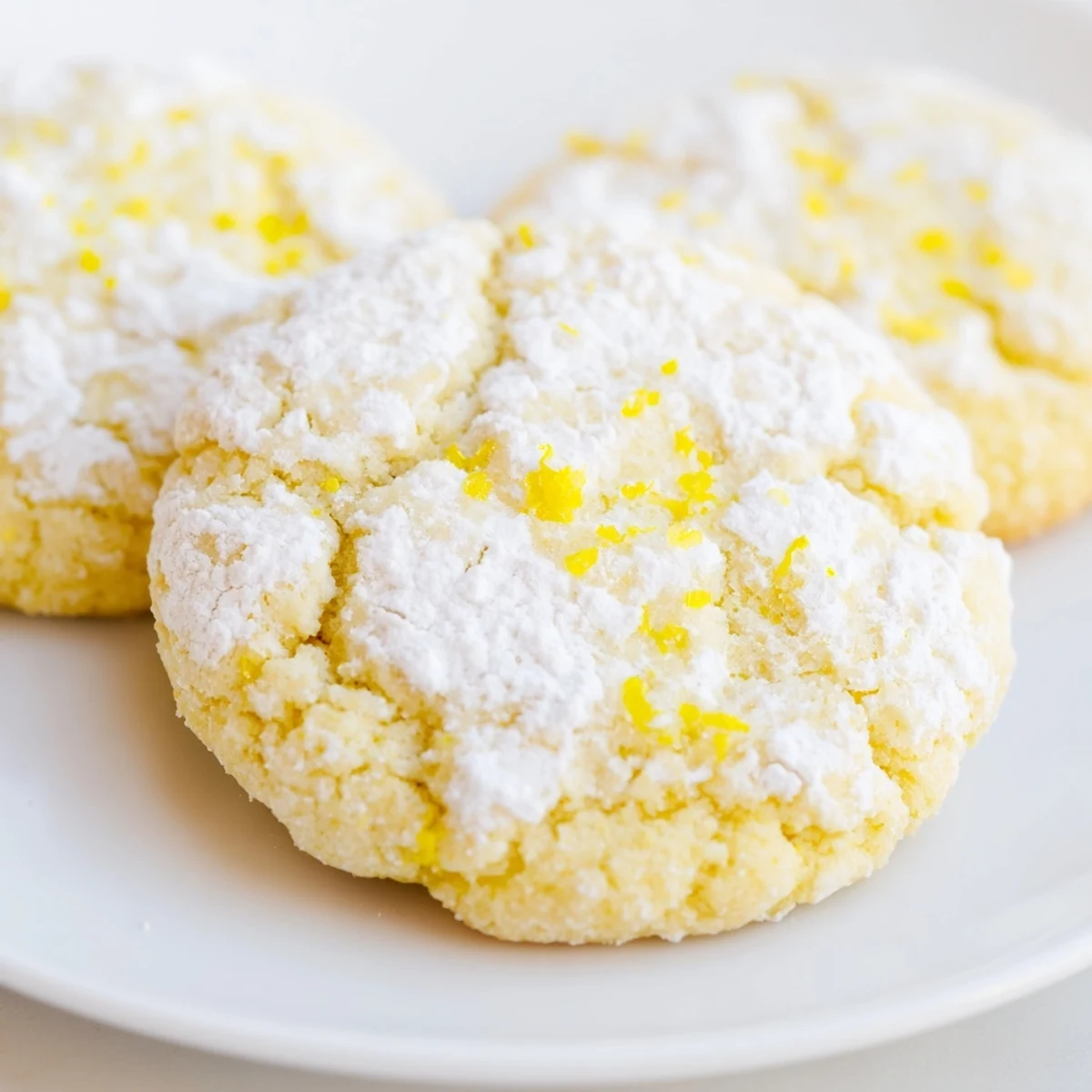
Save These soft and chewy lemon cookies combine fresh citrus zest and juice with buttery dough for an irresistibly bright treat. The edges bake to a gentle set while centers remain delightfully tender, creating that perfect texture combination. A quick 25-minute preparation makes them ideal for spontaneous baking sessions or planned afternoon gatherings.
The powdered sugar coating adds a delicate sweetness that balances the natural tartness, though these shine just as well without it. Each cookie delivers intense lemon flavor thanks to both zest and fresh juice in the dough. They store beautifully for four days, developing an even softer texture over time.
There is something about the smell of lemon zest hitting softened butter that makes the whole kitchen feel like a Tuesday morning in May, even if it is the middle of January. I started making these cookies on a whim when a bag of lemons was about to give up on life in my fruit bowl. Now they are the thing friends actually text me about, usually with very little subtlety, asking when I am baking again.
I brought a batch of these to a neighbors housewarming once and watched three grown adults completely ignore the cheese board in favor of standing around the cookie plate. One of them asked if I used a secret ingredient, and I almost lied and said yes just to sound more impressive. The truth is the whole trick is just not overbaking them.
Ingredients
- Unsalted butter (115 g, softened): Butter that is genuinely at room temperature creams properly with sugar and creates the soft texture these cookies depend on, so do not rush this part by microwaving it.
- Granulated sugar (200 g): This is the primary sweetener and also helps the edges get that slight crispness while the centers stay chewy and tender.
- Large egg (1): One egg is all you need for binding, and it enriches the dough without making it cakey.
- Freshly squeezed lemon juice (2 tablespoons): Use a real lemon here, not the bottled stuff, because the brightness of fresh juice is what makes these taste alive rather than like a scented candle.
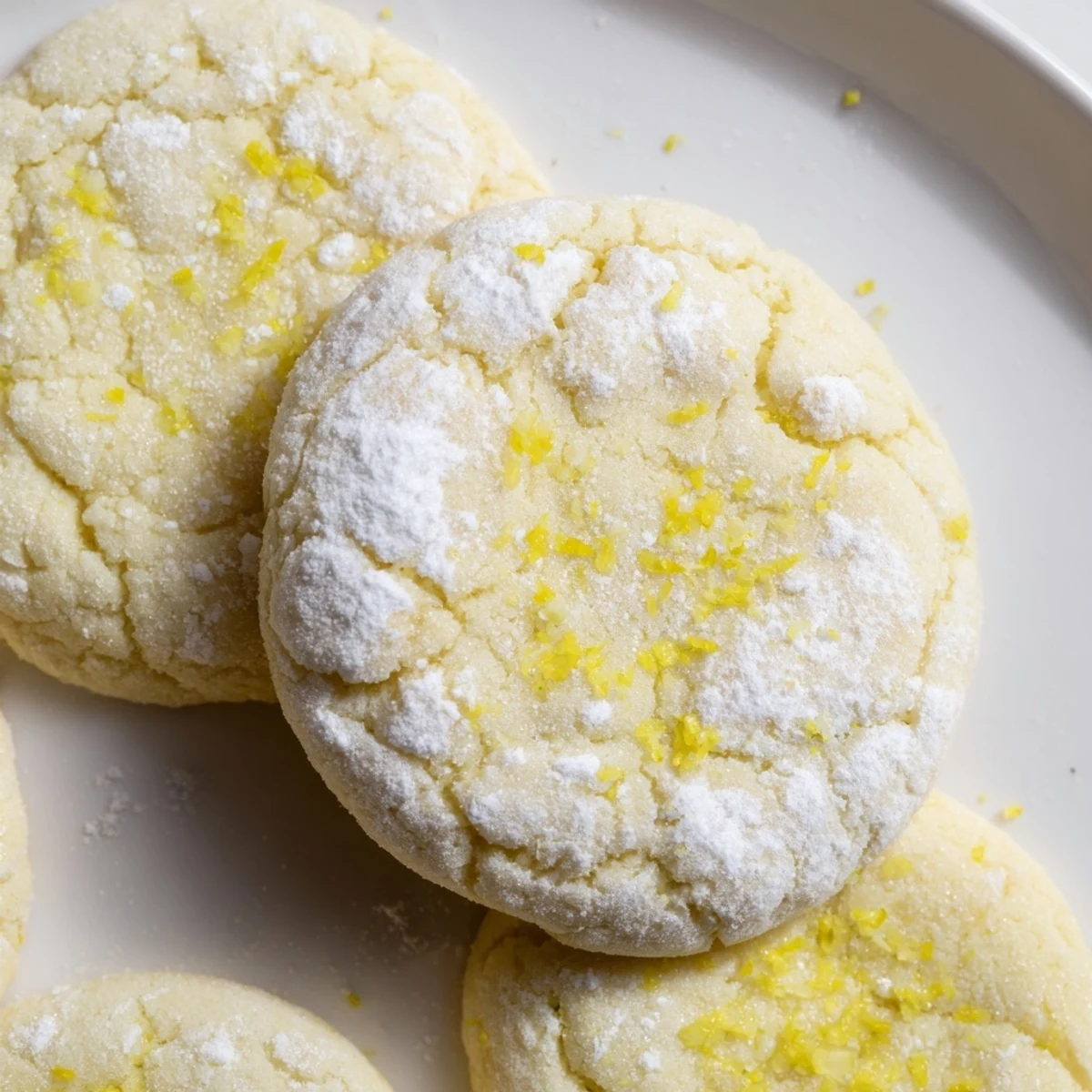
- Lemon zest (2 teaspoons): This is where most of the actual lemon flavor lives, since the oils in the zest carry far more intensity than the juice alone.
- Vanilla extract (1 teaspoon): A small amount rounds out the citrus and adds a warmth that keeps the flavor from feeling one dimensional.
- All purpose flour (250 g): Spoon and level it into your measuring cup rather than scooping directly from the bag, which packs it down and can make the cookies dense.
- Baking soda (1/2 teaspoon): Just enough to give the cookies a gentle lift without turning them puffy or dry.
- Salt (1/4 teaspoon): Salt sharpens the lemon flavor and keeps the sweetness in check, so do not skip it even though the amount looks tiny.
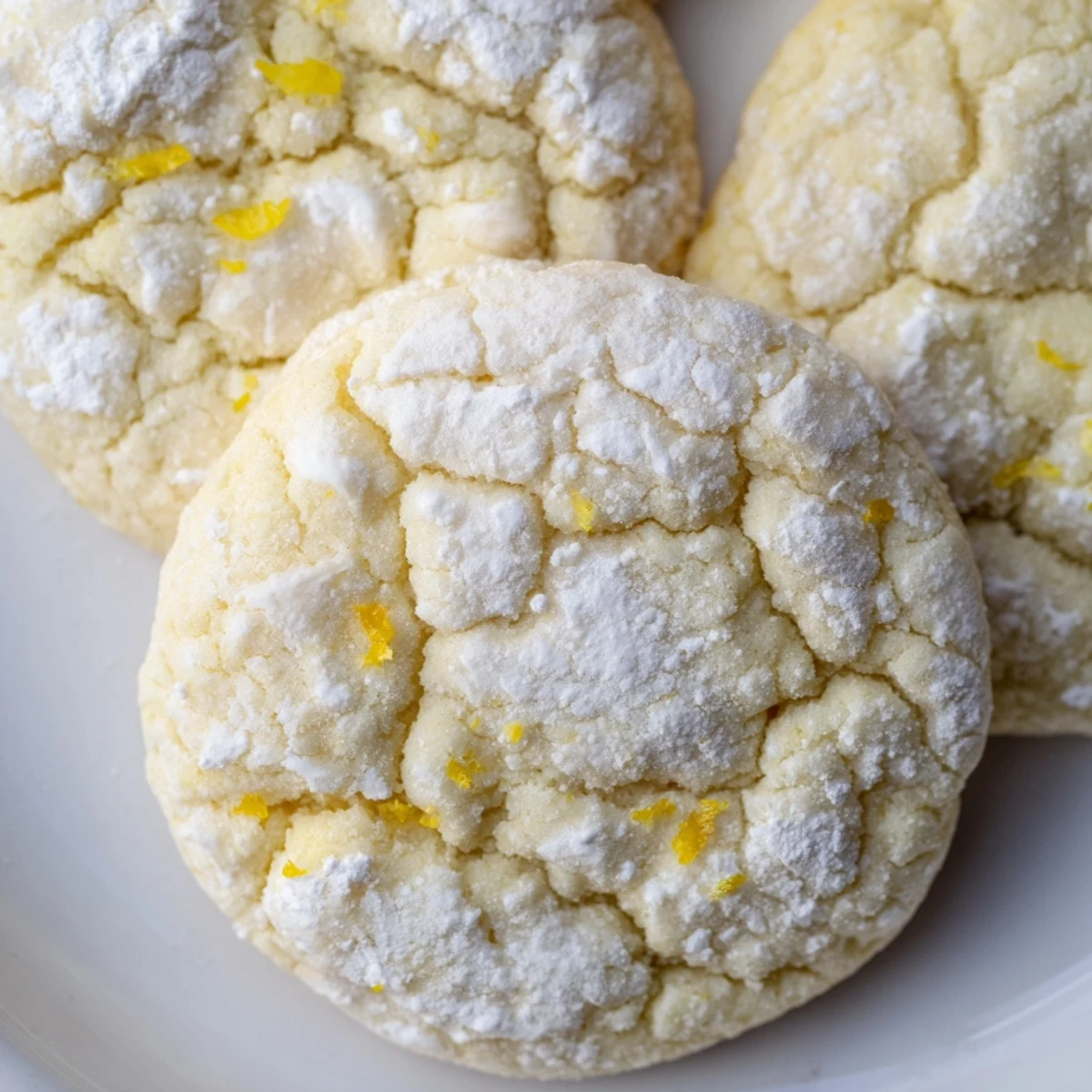
- Powdered sugar (30 g, optional): Rolling the dough balls in powdered sugar before baking creates a delicate crust that looks beautiful and adds a subtle sweetness to the outside.
Instructions
- Preheat and prepare:
- Set your oven to 180 degrees C (350 degrees F) and line two baking sheets with parchment paper so the cookies lift off cleanly without sticking.
- Cream the butter and sugar:
- Beat the softened butter and granulated sugar together in a large bowl until the mixture turns pale, light, and visibly fluffy, about two to three minutes with an electric mixer.
- Add the wet ingredients:
- Beat in the egg, lemon juice, lemon zest, and vanilla extract until everything is evenly combined and the mixture looks smooth and fragrant.
- Whisk the dry ingredients:
- In a separate bowl, whisk together the flour, baking soda, and salt so they are evenly distributed before they hit the wet mixture.
- Bring it all together:
- Gradually add the dry ingredients into the wet mixture, stirring gently just until the flour disappears into the dough, because overmixing is the fastest way to turn soft cookies into tough ones.
- Shape and coat:
- Scoop heaping tablespoons of dough and roll them into balls, then dip each one in powdered sugar if you want that pretty crackled finish on the baked cookies.
- Arrange on sheets:
- Place the dough balls about five centimeters (two inches) apart on the prepared baking sheets so they have room to spread without merging into each other.
- Bake until just set:
- Bake for nine to eleven minutes, pulling them out when the edges are set but the centers still look slightly soft and underbaked, because they will continue to firm up as they cool.
- Cool properly:
- Let the cookies rest on the baking sheet for five minutes before transferring them to a wire rack to cool completely, which helps them set without breaking apart.
 Save
Save A friend once told me these cookies reminded her of a bakery she used to visit with her grandmother, and she got quiet for a second after saying it. That is the thing about a good lemon cookie. It does not need a special occasion, but it somehow becomes part of one anyway.
Storing Your Lemon Cookies
Keep these in an airtight container at room temperature and they stay beautifully soft for up to four days, though in my experience they rarely last that long. The texture actually improves after the first day as the flavors settle and the crumb becomes even more tender.
Pairing Suggestions
These cookies are outstanding alongside a cup of Earl Grey tea, which has bergamot notes that echo the lemon beautifully. A cold glass of milk works too, or honestly just eating one standing over the kitchen sink while the rest of the batch cools.
Getting the Texture Right
The real secret to that chewy center is pulling the cookies from the oven at exactly the right moment, when the edges are set but the middle still looks wet and slightly sunken. They will look underdone, and that is the point. Trust the process and let the residual heat from the baking sheet finish the job.
- Use a cookie scoop if you have one so all the dough balls are the same size and bake evenly.
- If your kitchen is warm and the dough feels too soft to handle, pop it in the fridge for fifteen minutes before scooping.
- Always let them cool on the baking sheet for the full five minutes before moving them, or they may break apart from being too delicate.
 Save
Save Make a batch, share a few, hide the rest for yourself, and do not feel even a little guilty about it. These cookies are proof that simple ingredients treated with care create something truly special.
Questions & Answers
- → Why are my lemon cookies hard instead of soft?
-
Overmixing the dough develops excess gluten, creating tough texture. Mix just until flour disappears. Overbaking also hardens cookies—remove when edges are set but centers look slightly underbaked as they continue cooking on the hot sheet.
- → Can I use bottled lemon juice instead of fresh?
-
Fresh lemon juice provides superior bright flavor and acidity that bottled versions lack. For the best citrus intensity, always use freshly squeezed juice along with grated zest from the same lemons.
- → How do I get the crackled sugar coating effect?
-
Roll dough balls generously in powdered sugar before baking. As cookies spread in the oven, the coating creates beautiful crackled patterns. Ensure dough is chilled slightly if it's too warm to handle.
- → What's the secret to extra lemon flavor?
-
Increase lemon zest to 3 teaspoons and add 1 teaspoon of lemon extract along with vanilla. Zest contains essential oils that deliver more concentrated flavor than juice alone. Grate only the yellow outer layer, avoiding bitter white pith.
- → Can I freeze the dough for later?
-
Scoop dough into balls, place on a baking sheet, and freeze until firm. Transfer to an airtight container and freeze up to 3 months. Bake frozen dough balls, adding 1-2 minutes to baking time—no thawing needed.
- → Why did my cookies spread too much?
-
Warm butter causes excessive spreading. Ensure butter is softened but not melted. If your kitchen is very warm, chill dough balls for 15 minutes before baking. Also verify correct measurements—too much sugar creates spread.