
 Save
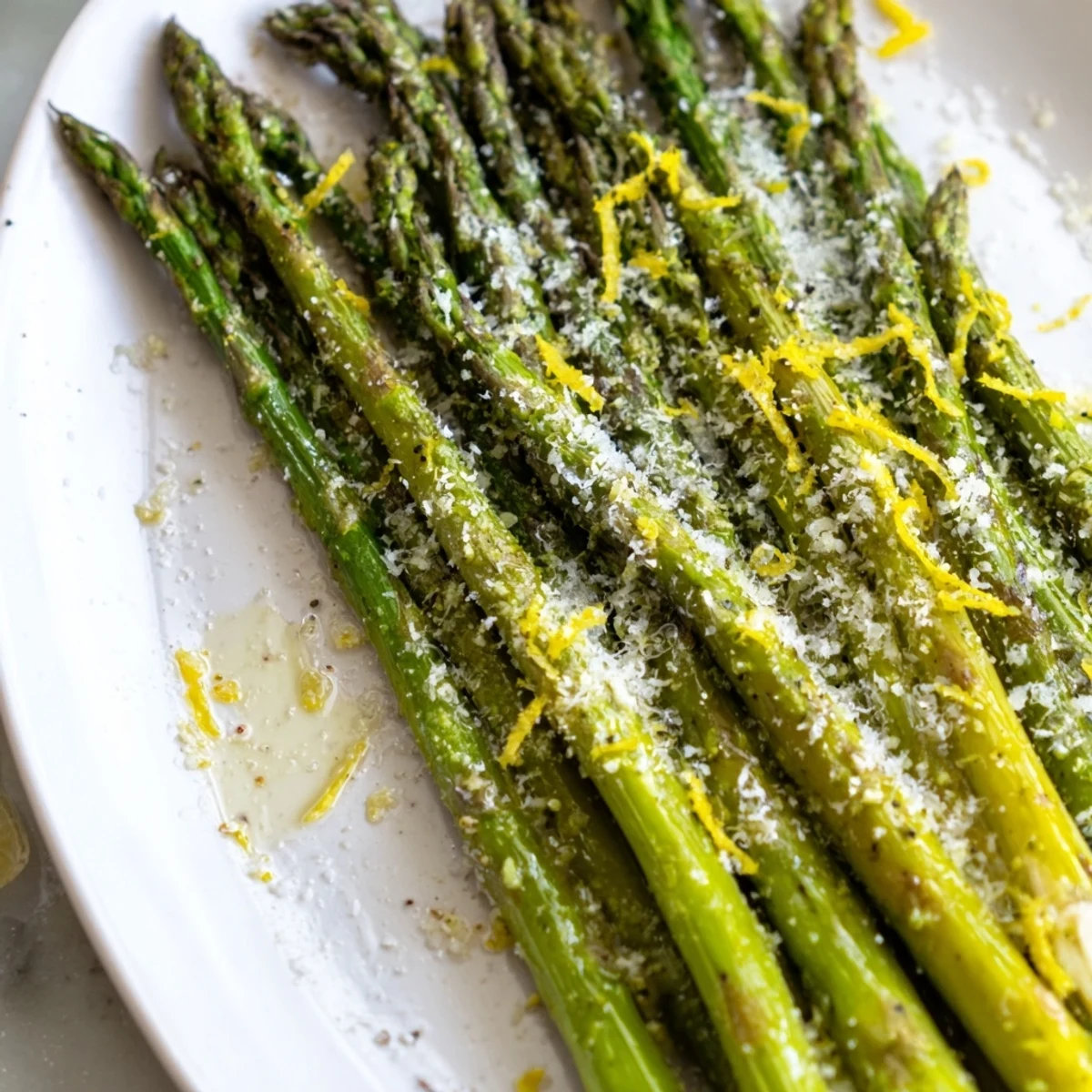
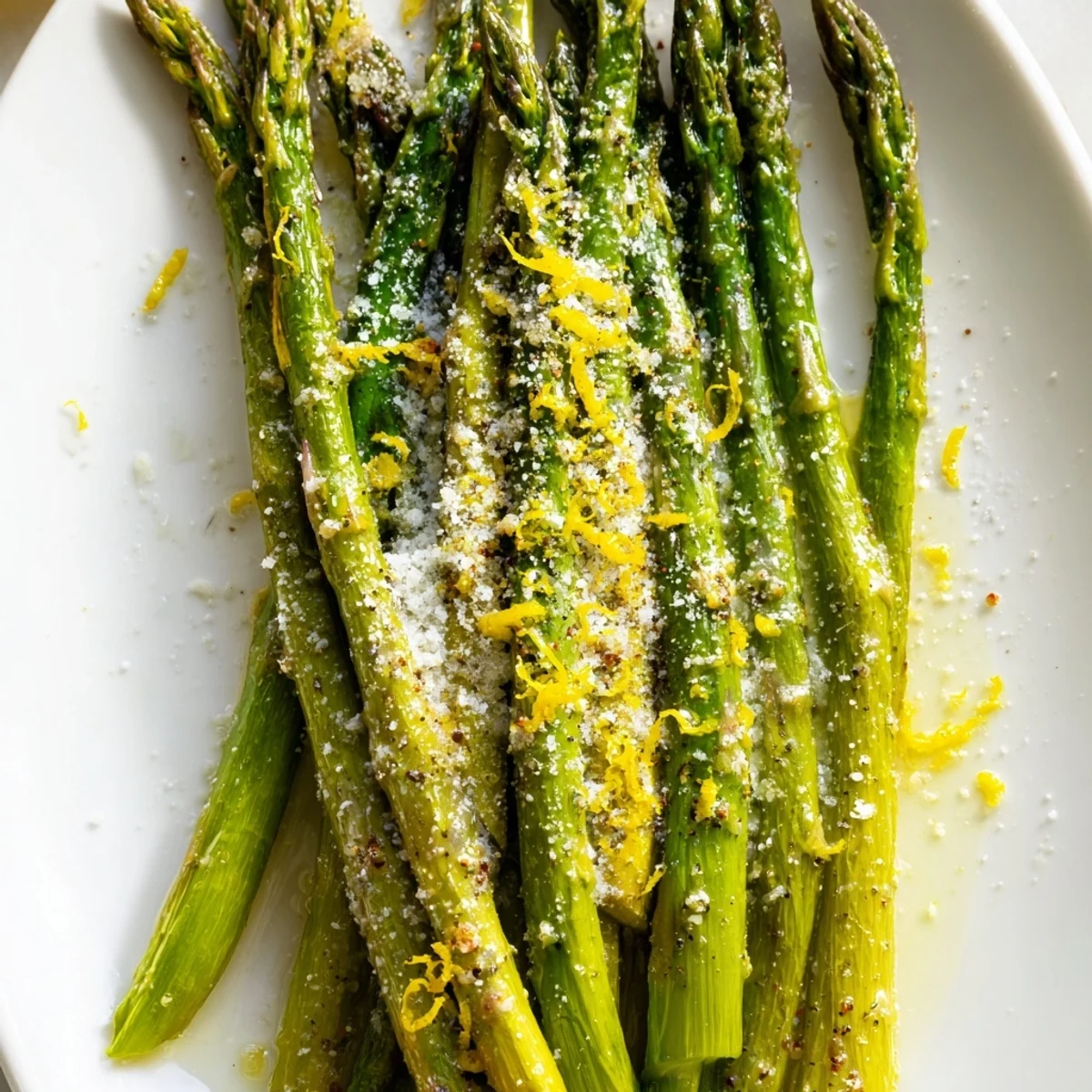
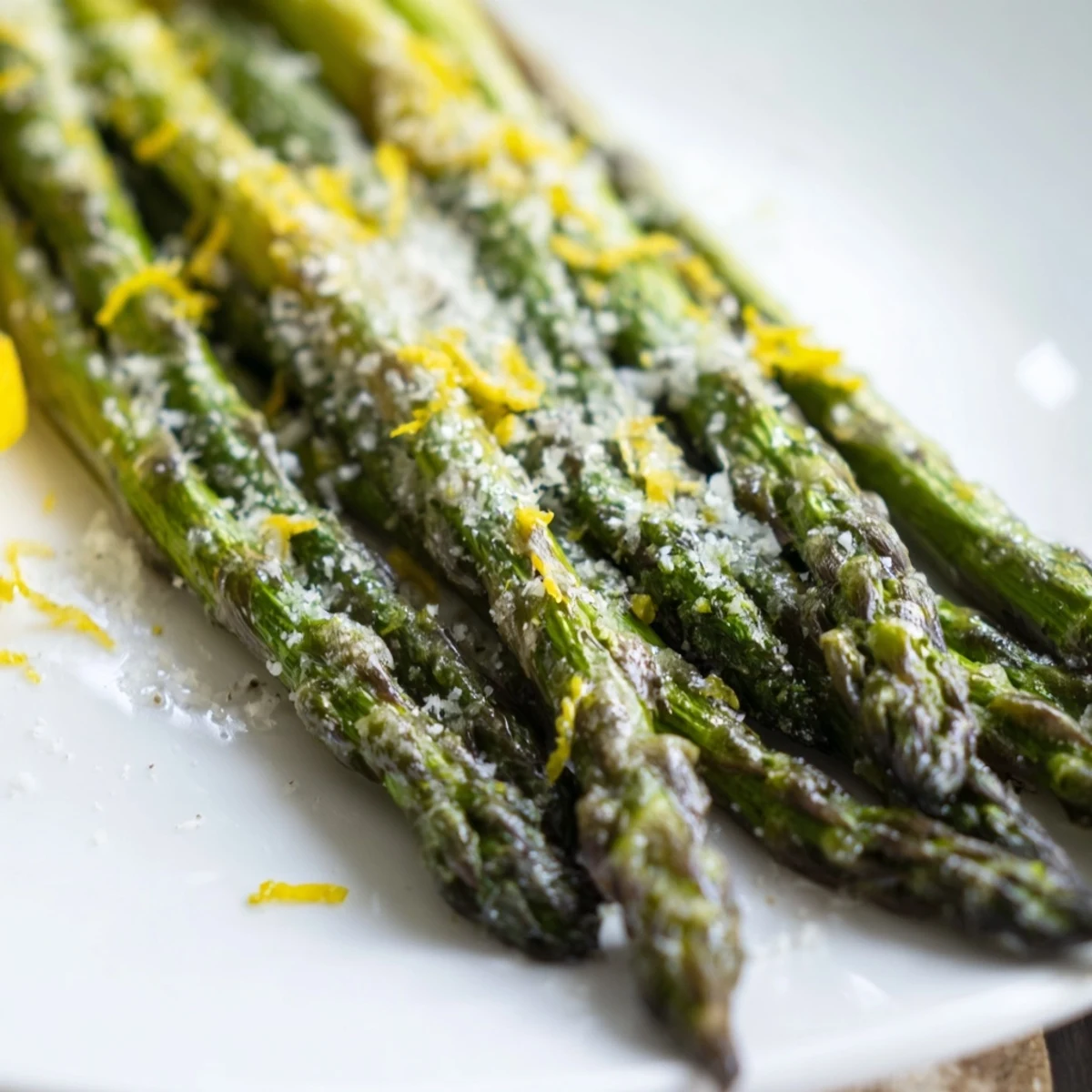
Save Enjoy tender asparagus roasted to perfection, combined with nutty Parmesan and vibrant lemon zest. This elegant side brings a fresh, bright flavor to your table with minimal effort. Simply coat fresh asparagus with olive oil, salt, and pepper before roasting until lightly browned. Finish with grated Parmesan and a drizzle of lemon juice for a delightful balance of creamy and citrusy notes, perfect alongside spring meals.
There's something about spring that makes me buy asparagus even when I'm not sure what to do with it. One April evening, I tossed a bunch with oil and shoved it in a hot oven, then finished it with Parmesan and lemon zest on impulse—and somehow that moment of impatience became the easiest dinner side I've made since. It's the kind of dish that feels more impressive than it should be.
I made this for my neighbor last summer when she brought over fresh eggs, and she asked for the recipe before she'd even finished eating. That's when I realized it wasn't the simplicity that charmed her—it was how the warm asparagus made the cheese nutty and the lemon juice pooled at the bottom of the plate, begging for bread to soak it up.
Ingredients
- Fresh asparagus (1 lb): Look for stalks that snap when you bend them gently near the base—that's your signal they're tender enough. Thicker spears are actually better here because they roast more evenly than skinny ones.
- Olive oil (2 tbsp): Good oil makes a difference; this isn't the place to use the cheapest bottle in your cupboard.
- Kosher salt and black pepper: Season boldly enough that you taste it before the cheese arrives.
- Parmesan cheese (1/4 cup grated): Freshly grated tastes sharper and melts better than pre-shredded, especially when it hits hot asparagus.
- Lemon zest and juice: A microplane zester gives you delicate flakes that distribute better than chunky pieces; the juice should be fresh and bright, not from a bottle.
Instructions
- Heat your oven properly:
- Set it to 425°F and let it preheat fully while you prep—a hot oven is what gives asparagus those caramelized edges instead of a steamed texture. Line your baking sheet with parchment paper so cleanup is almost painless.
- Prepare and season:
- Snap the woody bottoms off the asparagus by holding each stalk and bending until it breaks naturally—the vegetable will tell you where it wants to break. Toss them with olive oil, salt, and pepper until every piece gleams, then spread them in a single layer on your sheet.
- Roast until golden:
- Twelve to fifteen minutes is usually the sweet spot, but peek at them around the ten-minute mark so they don't overcook into mush. You're looking for the tips to char slightly and the stalks to yield easily when you touch them with a fork.
- Finish while hot:
- The moment they come out, sprinkle the Parmesan so it gets slightly melty from the residual heat, then scatter the lemon zest over top. A drizzle of fresh lemon juice at the very end brings everything into focus.
 Save
Save I learned that this dish works best when you don't overthink it, when you trust that three good ingredients—cheese, lemon, and properly roasted vegetables—are enough to make something feel complete. There's a quiet elegance in knowing when to stop.
Variations to Try
I've made this with shaved Pecorino Romano when I ran out of Parmesan, and the sharper bite reminded me that sometimes substitutions teach you something new. Red pepper flakes scattered over the top add heat that plays beautifully with the citrus, while toasted pine nuts turn it into something almost luxurious. For a vegan version, nutritional yeast brings umami and a cheesy flavor that honestly surprised me with how well it works.
What to Serve It With
This asparagus feels equally at home next to roast chicken, grilled fish, or even a simple pasta. I've made it as part of a spring spread with roasted potatoes and herb-brined lamb, and it somehow made everything taste brighter. The beauty is how it complements without competing—it knows its role and plays it perfectly.
Kitchen Wisdom
The difference between good roasted vegetables and great ones often comes down to oven temperature and patience with seasoning. This recipe taught me that sometimes the simplest dishes reveal the most about your ingredient quality and technique because there's nowhere to hide.
- Let your Parmesan come to room temperature for about ten minutes before grating—it grates more easily and the pieces are smaller.
- If your lemon feels hard, warm it gently in the oven for two minutes before zesting and juicing to release more oils and juice.
- Save a handful of raw asparagus tips in the refrigerator to taste at the end—comparing raw to roasted helps you dial in the perfect doneness next time.
 Save
Save This is the kind of dish that reminds you why cooking matters—not because it's complicated, but because it transforms three simple ingredients into something that tastes like care. Make it often.
Questions & Answers
- → What temperature should I roast asparagus?
-
Roast asparagus at 425°F (220°C) for 12-15 minutes until tender and lightly browned.
- → Can I substitute Parmesan for a vegan option?
-
Yes, nutritional yeast works as a flavorful vegan alternative to Parmesan cheese.
- → How do I prepare asparagus before roasting?
-
Trim the woody ends of fresh asparagus and toss evenly with olive oil, salt, and pepper before roasting.
- → What toppings enhance roasted asparagus flavor?
-
Grated Parmesan, lemon zest, fresh lemon juice, toasted pine nuts, or red pepper flakes add extra flavor and texture.
- → Is this dish suitable for gluten-free diets?
-
Yes, this dish is naturally gluten-free when using fresh ingredients and no gluten-containing seasonings.