
 Save
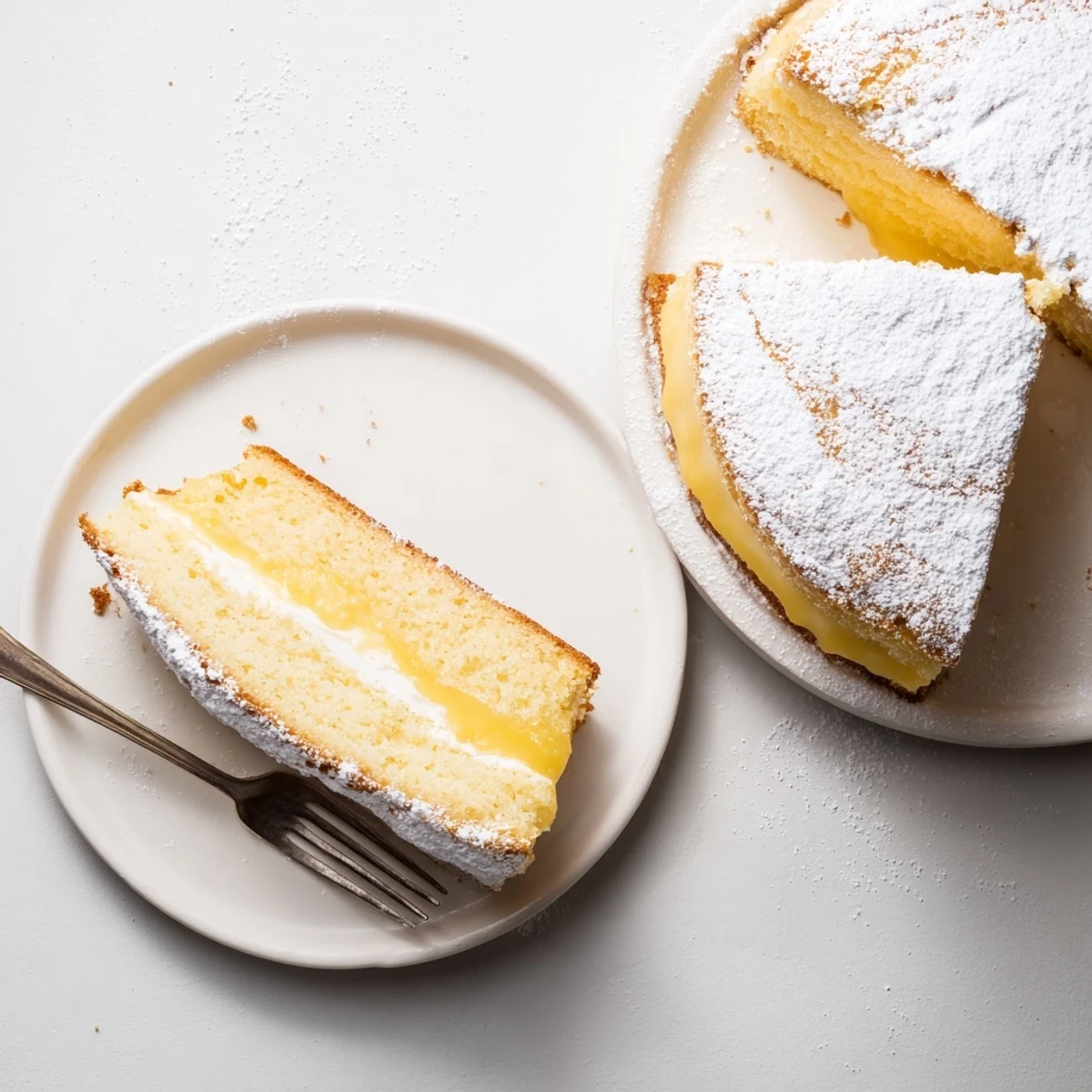
Save This traditional Italian dessert combines a tender, airy cake with rich, velvety lemon custard filling. The magic happens when fresh lemon zest and juice infuse both layers, creating a perfect balance of sweet and tangy flavors. The cake achieves its delicate texture through separated eggs—the yolks enrich the batter while beaten whites add ethereal lightness.
The homemade custard, made from scratch with milk, egg yolks, and fresh citrus, transforms into a silky smooth filling that pairs beautifully with the vanilla-scented cake layers. After assembly, a chill in the refrigerator lets the flavors meld together, while a dusting of powdered sugar adds the finishing touch to this stunning centerpiece dessert.
My grandmother had these tiny embroidered kitchen towels that smelled like lemons and vanilla, no matter how many times they went through the wash. Every Sunday, without fail, she would pull out her yellow mixing bowl and start separating eggs with the casual confidence of someone who has made a thousand cakes. That bowl sits in my kitchen now, slightly chipped around the rim, and every time I make this recipe, the whole house fills with that same bright, buttery scent that means someone special is coming over.
Last summer I made this for my neighbors 50th anniversary party, and halfway through slicing the cake, I realized I had forgotten to fold the egg whites gently enough. The cake was still delicious, slightly denser than intended, but nobody noticed except me. That night I learned that perfection is less important than the love you put into it, though I did practice my folding technique three times that week just to redeem myself.
Ingredients
- 1 cup (200 g) granulated sugar: Use fine baker sugar if you can find it, it dissolves more beautifully into the butter and creates a finer crumb texture in the finished cake.
- 1/2 cup (115 g) unsalted butter, softened: Room temperature butter is non-negotiable here, I once tried microwaving it and the whole texture turned out wrong.
- 3 large eggs, separated: Cold eggs separate more easily, but let everything come to room temperature before baking for maximum volume.
- 1 tablespoon lemon zest (from about 2 lemons): Zest before juicing, and press the zest into the sugar with your fingers to release those aromatic oils.
- 1/4 cup (60 ml) fresh lemon juice: Meyer lemons make this extra special with their floral sweetness, but regular lemons work perfectly too.
- 1/2 cup (120 ml) whole milk: Do not use skim milk, the fat content is crucial for that tender, moist cake we are after.
- 1 cup (125 g) all-purpose flour: Spoon and level your flour rather than scooping directly, too much flour makes a tough cake.
- 1 teaspoon baking powder: Make sure it is fresh, test it by dropping a pinch in hot water, it should bubble immediately.
- 1/4 teaspoon salt: Enhances the lemon flavor and balances sweetness, always use a small amount in baking.
- 1 1/2 cups (360 ml) whole milk: For the custard, whole milk creates the silkiest texture, anything less feels watery and sad.
- 1/2 cup (100 g) granulated sugar: Custard needs less sugar than you might think, the lemon should shine through.
- 3 large egg yolks: Room temperature yolks incorporate more smoothly and wont scramble when you add the hot milk.
- 2 tablespoons cornstarch: The thickening magic that transforms warm milk into velvety custard, whisk it with the sugar first to prevent lumps.
- 2 tablespoons unsalted butter: Finished with butter gives the custard that glossy, restaurant quality sheen and rich mouthfeel.
- 2 teaspoons lemon zest: More zest means more bright lemon essence in every creamy spoonful.
- 1/4 cup (60 ml) fresh lemon juice: Add this at the end to preserve the fresh flavor, heat can make lemon juice taste strangely metallic.
- Powdered sugar, for dusting: Use a fine mesh sieve for that professional bakery look, or just shake it through a clean colander.
- Thin lemon slices or curls, optional: Soak slices in cold water for 10 minutes first to remove bitterness, they will look prettier and taste better.
Instructions
- Get your oven and pan ready:
- Preheat your oven to 350°F (175°C) and generously grease a 9-inch (23 cm) round cake pan with butter, then dust it with flour, tapping out the excess.
- Start the cake batter:
- In a large bowl, cream together the sugar and butter until pale and fluffy, this takes about 3 to 5 minutes and creates the foundation for a tender cake.
- Add the yolks and lemon:
- Add the egg yolks one at a time, beating well after each addition, then mix in the lemon zest and juice until everything is combined.
- Combine dry ingredients:
- In a separate bowl, whisk together flour, baking powder, and salt, then add half to the wet mixture, mix gently, add the milk, and finish with remaining dry ingredients.
- Beat the egg whites:
- In a completely clean bowl, beat the egg whites to stiff peaks, you should be able to turn the bowl upside down without them sliding.
- Fold gently:
- Gently fold the egg whites into the batter in three additions, using a spatula and cutting through the middle then lifting up from underneath to preserve all that air.
- Bake the cake:
- Pour the batter into your prepared pan, smooth the top, and bake for 30 to 35 minutes until a toothpick comes out clean, then cool in the pan for 10 minutes.
- Warm the milk:
- In a saucepan, warm the milk over medium heat until just simmering, you will see tiny bubbles around the edges but do not let it boil over.
- Prepare the egg mixture:
- In a separate bowl, whisk together sugar, egg yolks, and cornstarch until smooth and pale yellow, about 2 minutes of whisking.
- Temper the eggs:
- Slowly pour about one third of the hot milk into the egg mixture while whisking constantly, then pour everything back into the saucepan.
- Cook the custard:
- Cook over medium-low heat, stirring constantly with a wooden spoon or heatproof spatula, until thickened, about 5 to 7 minutes.
- Finish the custard:
- Remove from heat and stir in butter, lemon zest, and lemon juice, then press plastic wrap directly onto the surface to prevent a skin from forming.
- Assemble the cake:
- Once both cake and custard are completely cool, slice the cake horizontally in half using a serrated knife.
- Layer it up:
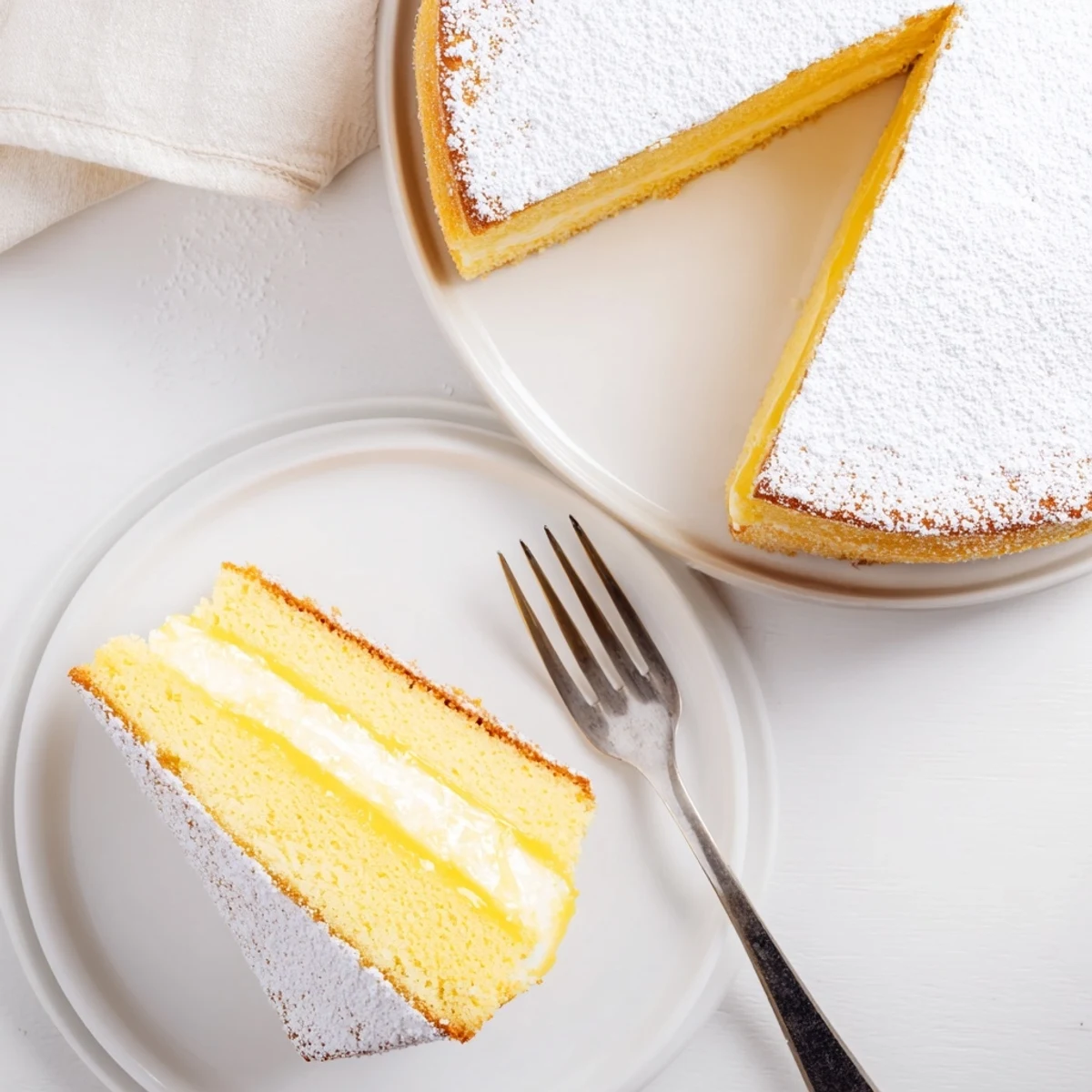
- Spread the lemon custard evenly over the bottom layer, leaving a small border around the edge, then carefully top with the second cake layer.
- Final touches:
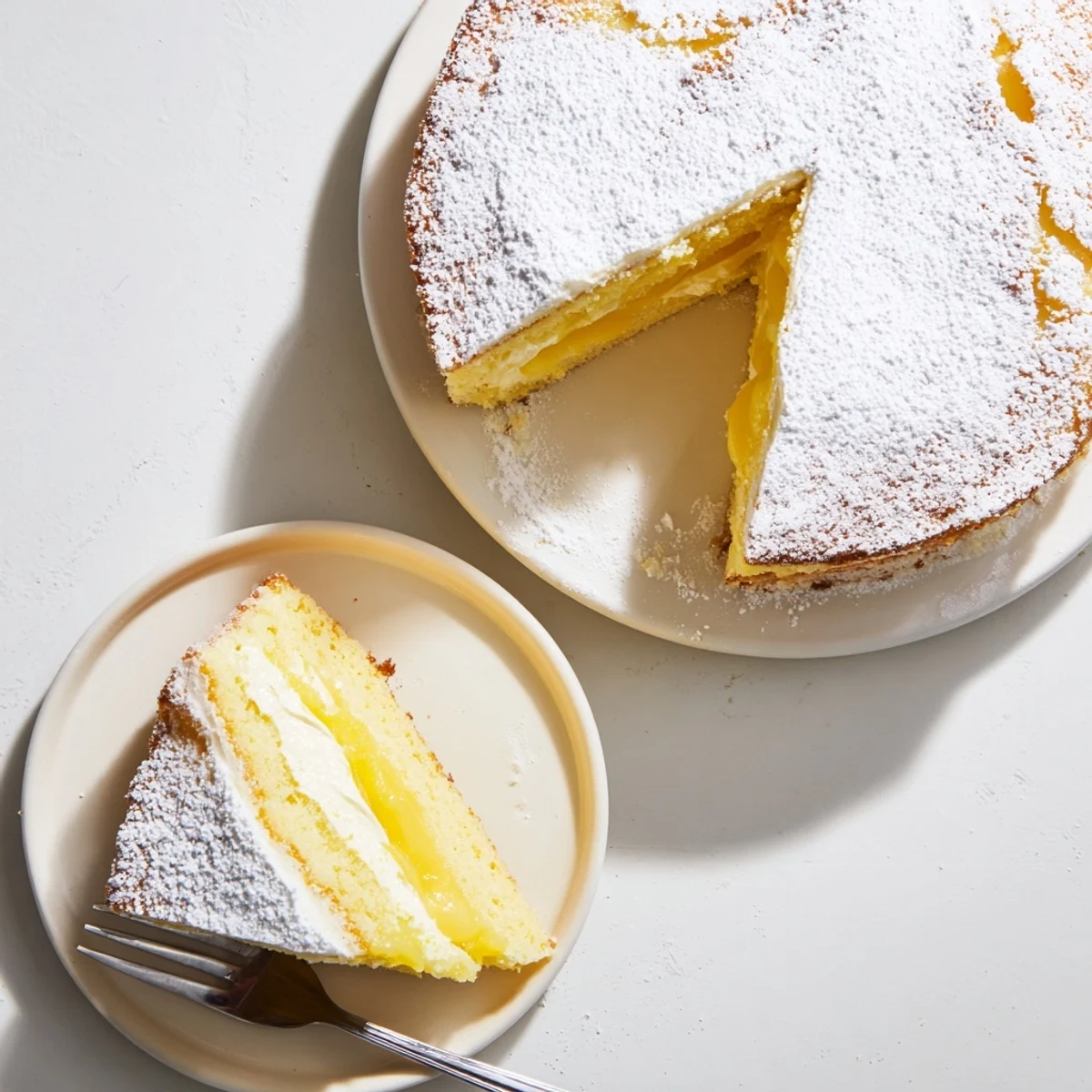
- Dust generously with powdered sugar and add lemon slices or curls if you are feeling fancy, then chill for 30 minutes before serving.
 Save
Save My daughter asked to help make this last weekend, standing on her step stool with her own small whisk, carefully folding the egg whites with serious concentration. When we finally sat down to eat it, she took one bite and announced this was the best thing she had ever tasted, then promptly asked if we could have it for breakfast tomorrow morning.
Making It Ahead
You can bake the cake up to two days ahead, wrap it tightly in plastic once completely cooled, and store it at room temperature. The custard keeps well in the refrigerator for up to three days, stored in an airtight container with that plastic wrap pressed directly onto the surface. Assemble the day you plan to serve it for the freshest texture and most beautiful presentation.
Serving Suggestions
This cake sings when served with a shot of cold limoncello on the side, the alcohol cuts through the richness and highlights the bright lemon notes. A cup of strong espresso after dinner balances the sweetness perfectly, the bitter coffee notes make the custard taste even creamier. For afternoon tea, serve it with fresh berries on the side, their tartness complements the sweet cake beautifully.
Storage Tips
Once assembled, this cake needs to be refrigerated because of that lovely creamy custard layer, though it tastes best when brought to room temperature for about 20 minutes before serving. Leftovers keep well for up to three days, though the texture will soften slightly as the cake absorbs moisture from the custard.
- Place a slice of bread in the container with the cake to keep it from absorbing refrigerator odors.
- If you need to freeze individual portions, wrap them tightly in plastic then foil, they will keep for up to a month.
- Never cover the cake while it is still warm or the trapped moisture will make the top soggy and sad.
 Save
Save There is something profoundly satisfying about serving a cake that took a little extra care and attention, watching people close their eyes at that first bite of lemon and cream. This recipe has traveled from my grandmothers kitchen in Sicily to my small apartment kitchen, and every time I make it, I feel connected to all the hands that have made it before me.
Questions & Answers
- → Can I make the components ahead of time?
-
Yes, both the cake and custard can be prepared 1-2 days in advance. Wrap the cooled cake layers tightly in plastic wrap and store at room temperature. Keep the custard refrigerated with plastic wrap pressed directly onto the surface to prevent a skin from forming. Assemble shortly before serving for the best texture.
- → What's the secret to preventing the custard from curdling?
-
The key is tempering the eggs properly by slowly whisking the hot milk into the yolk mixture before returning everything to the stove. Keep the heat at medium-low and stir continuously—this prevents the eggs from scrambling and ensures a silky, smooth consistency every time.
- → Can I use bottled lemon juice instead of fresh?
-
Fresh lemon juice is highly recommended for the brightest, most vibrant flavor. Bottled juice often contains preservatives that can affect the taste. Since lemons are the star of this dessert, use freshly squeezed juice and grate the zest just before preparing for optimal results.
- → How do I get clean, even layers when slicing the cake?
-
Use a long serrated knife and a gentle sawing motion. Place toothpicks around the circumference of the cake at the desired height as a guide, then follow them with your knife. For extra stability, chill the cooled cake for about 30 minutes before slicing—this makes it firmer and easier to cut evenly.
- → Can I freeze this finished cake?
-
The unfilled cake layers freeze beautifully for up to 3 months when wrapped well. However, once assembled with custard, freezing isn't recommended as the texture of the filling can become grainy and separate upon thawing. Store assembled cake in the refrigerator and enjoy within 3 days for the best quality.
- → What can I serve alongside this dessert?
-
A scoop of vanilla gelato or a dollop of freshly whipped cream complements the citrus notes beautifully. For an authentic Italian experience, serve with a shot of limoncello or an espresso. The cake also pairs wonderfully with fresh berries or a light berry coulis for added color and contrast.