
 Save
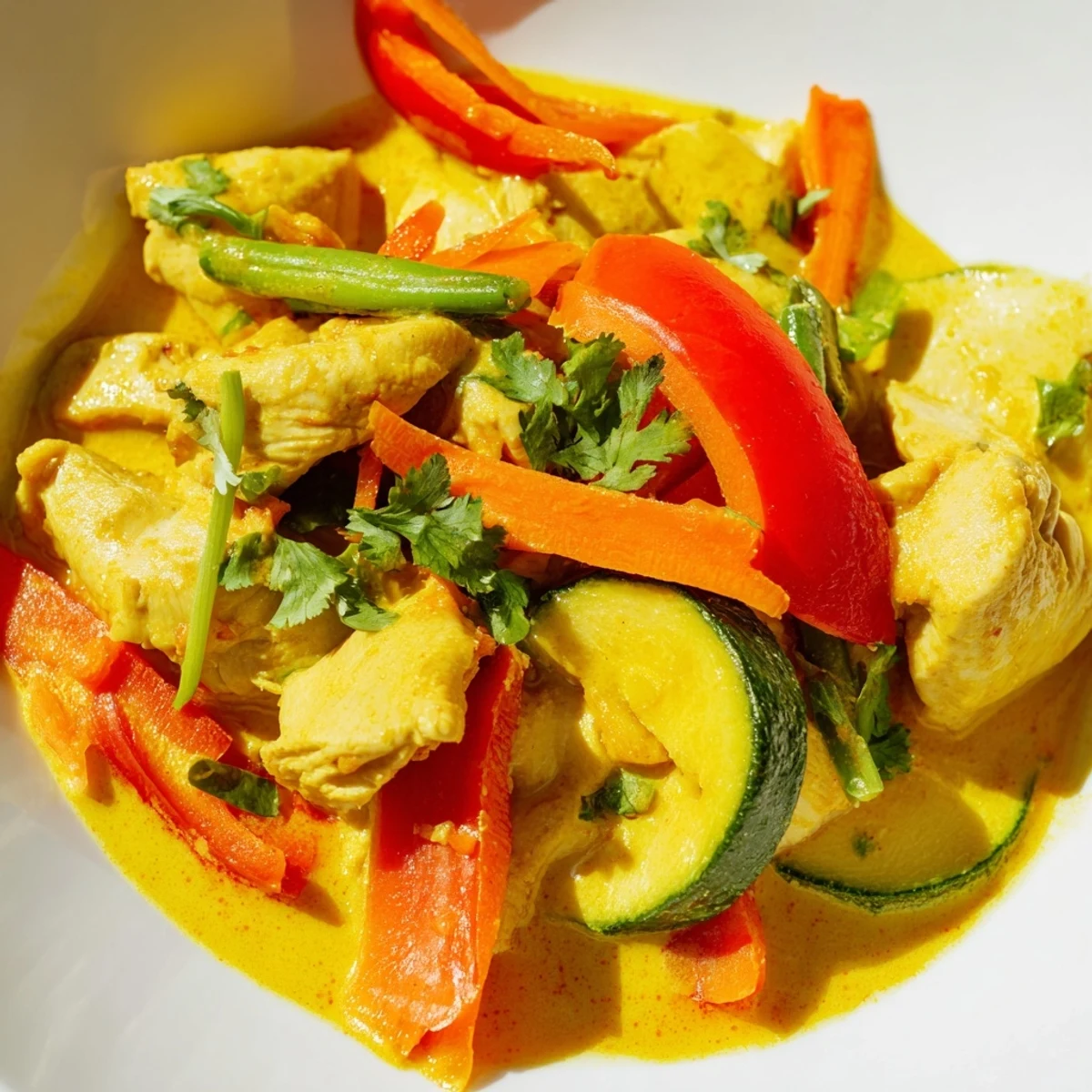
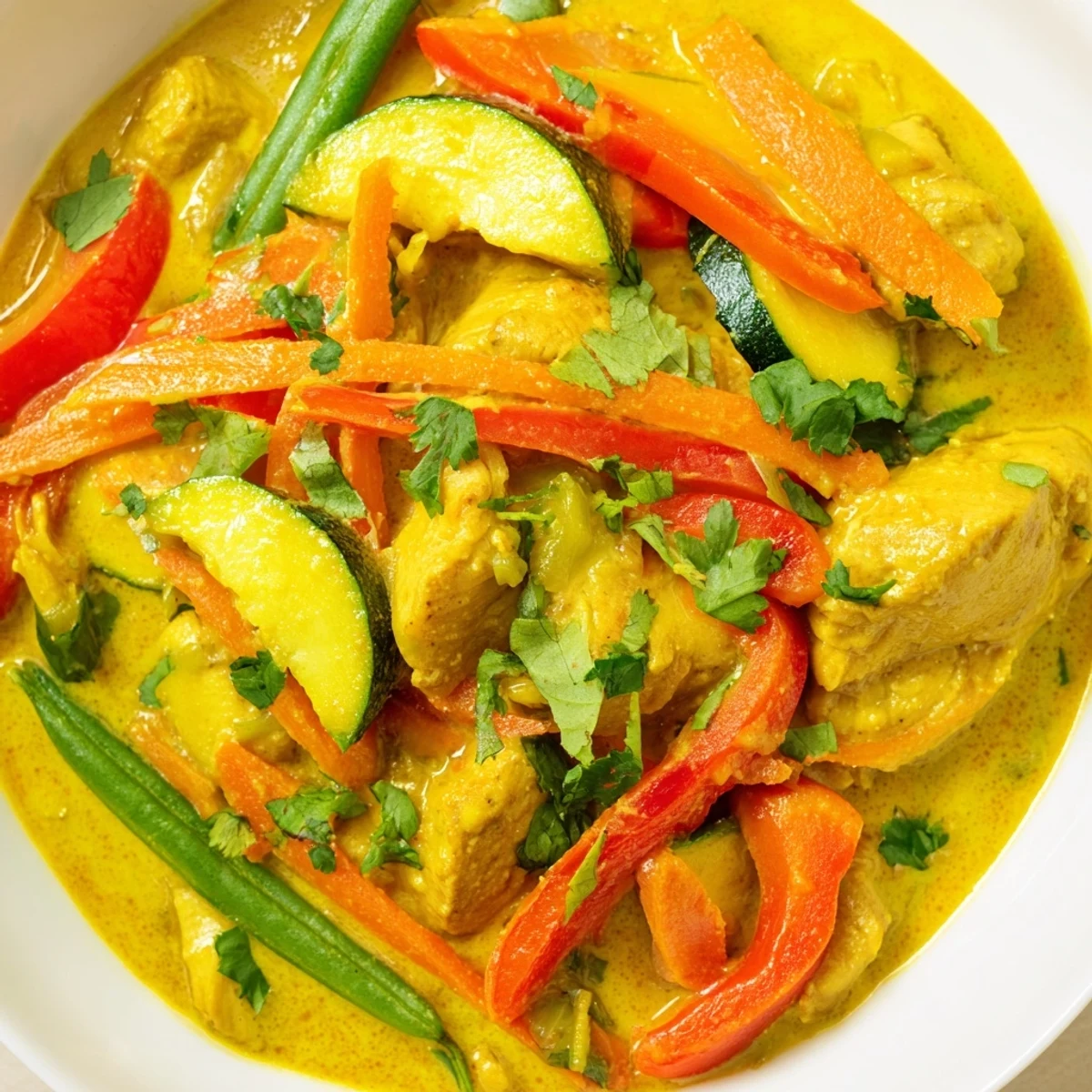
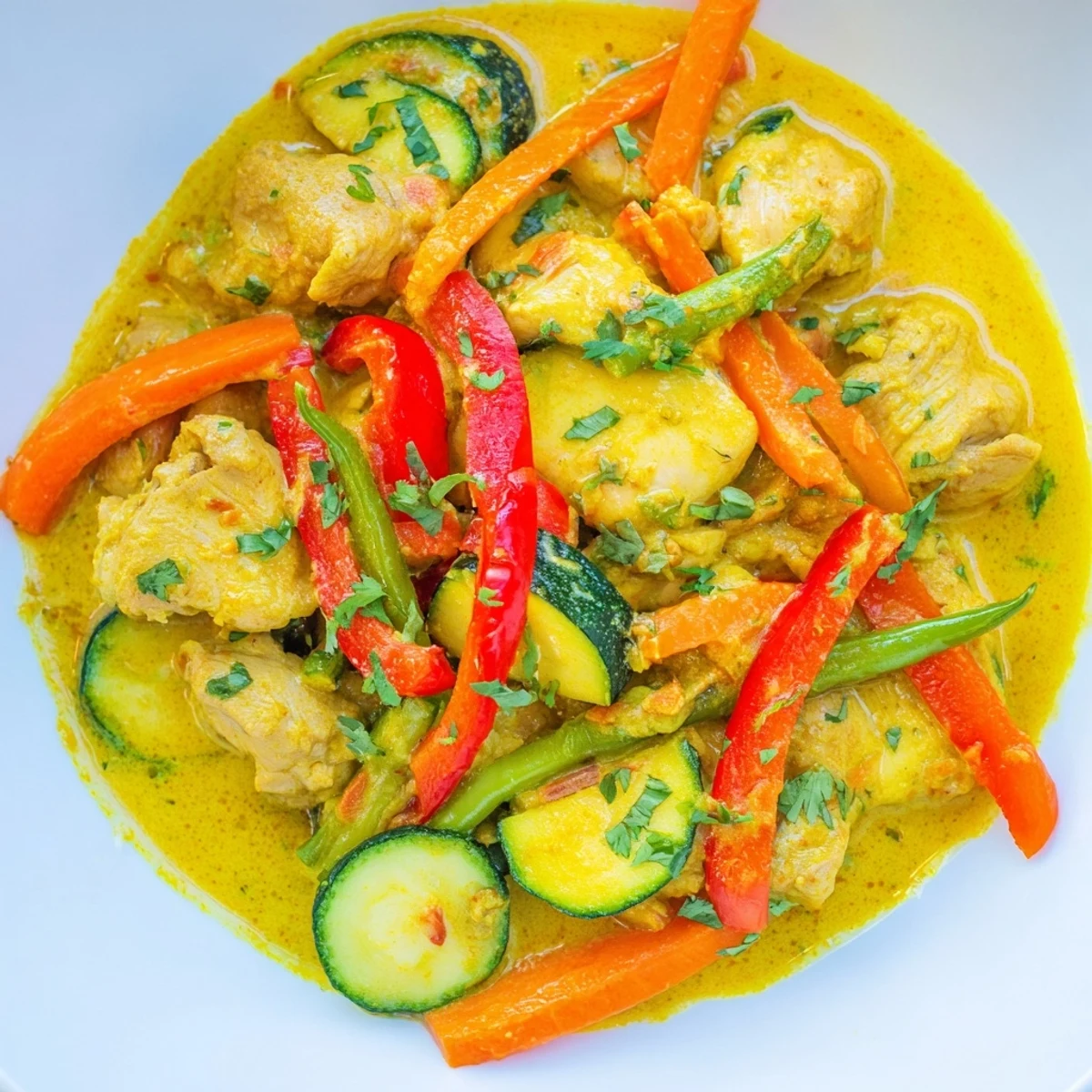
Save This aromatic Thai-inspired yellow curry brings together tender chicken pieces simmered in a luscious coconut milk base infused with fragrant yellow curry paste, lemongrass, and kaffir lime leaves. Fresh vegetables including bell peppers, zucchini, carrots, and green beans add color and crunch to every bite.
The curry sauce balances savory fish sauce, soy sauce, and a touch of brown sugar for that perfect sweet-salty harmony that Thai cuisine is known for. Ready in just 50 minutes with only 20 minutes of active preparation, this dish serves four and is naturally gluten-free when using tamari.
Serve over steaming jasmine rice or rice noodles, garnished with fresh cilantro and lime wedges for a complete meal that's both comforting and exotic.
The first time my roommate Priya made yellow curry, our tiny apartment smelled like lemongrass for three days straight. I kept finding myself in the kitchen, just breathing it in. Now this dish lives in my regular rotation, and that aromatic hit of coconut and spices still feels like coming home to something warm and familiar.
Last winter my friend Sarah came over after a terrible week at work. I put this curry on the stove, and within twenty minutes she was sitting on my kitchen counter, spoon in hand, letting the steam fog up her glasses while we talked. Food has this way of making people stay longer than they planned.
Ingredients
- 600 g boneless skinless chicken thighs: Thighs stay juicy and tender unlike breasts which can dry out in simmering sauces
- 1 red bell pepper: Adds sweetness and a pop of color that makes the whole dish feel vibrant
- 1 zucchini: Soaks up the curry flavors beautifully while maintaining a slight bite
- 1 carrot: Julienned thin so they cook through but do not turn mushy
- 100 g green beans: These add a fresh crunch that balances the rich sauce perfectly
- 1 onion: Thinly sliced so they melt into the sauce rather than staying chunky
- 3 cloves garlic: Minced fresh because jarred garlic never quite delivers the same punch
- 1 tbsp fresh ginger: Grated right into the pan for that bright zingy heat
- 2 stalks lemongrass: Bruised with the back of your knife to release all those fragrant oils
- 3 kaffir lime leaves: Totally optional but worth seeking out for that floral citrus note
- 1 handful fresh cilantro: Chopped and sprinkled on top to cut through the richness
- 2 tbsp yellow curry paste: Check the label to make sure it is gluten-free if that matters to you
- 400 ml coconut milk: Full fat makes a velvety sauce that coats everything generously
- 200 ml chicken stock: Thins the coconut milk just enough without diluting the flavor
- 1 tbsp fish sauce: The secret ingredient that adds depth and umami without tasting fishy
- 1 tbsp soy sauce: Use tamari if you need this to be gluten-free
- 1 tsp brown sugar: Balances the heat and ties all the flavors together
- 1 tbsp vegetable oil: For blooming the curry paste at the start
- Steamed jasmine rice or rice noodles: Something to soak up every drop of that sauce
- Lime wedges: A squeeze of bright acidity right before serving makes everything pop
Instructions
- Warm the wok:
- Heat the vegetable oil in your wok or deep skillet over medium heat. Toss in the sliced onion and sauté for about 2 minutes until it starts to soften and turn translucent.
- Bloom the aromatics:
- Add the garlic, ginger, and bruised lemongrass. Cook for just one minute until the fragrance wafts up and you can smell the ginger hitting the heat.
- Wake up the curry paste:
- Stir in the yellow curry paste and let it cook for a full minute. Watch as the paste deepens in color and releases its oils into the pan.
- Sear the chicken:
- Add the chicken pieces and sauté until lightly browned on all sides, about 5 minutes. Do not rush this step because the fond that forms on the bottom of the pan adds so much flavor.
- Build the sauce:
- Pour in the coconut milk and chicken stock while stirring constantly to combine. Add the fish sauce, soy sauce, brown sugar, and kaffir lime leaves if you managed to find them.
- Simmer everything together:
- Bring it to a gentle bubble and toss in the bell pepper, zucchini, carrot, and green beans. Let it simmer uncovered for 15 to 20 minutes until the chicken is cooked through and the vegetables are tender but still have some bite.
- Finish and adjust:
- Fish out the lemongrass stalks and kaffir lime leaves. Taste the sauce and add a pinch of salt or another splash of fish sauce if it needs something more.
- Serve it up:
- Ladle the hot curry over steamed jasmine rice or rice noodles. Top with fresh cilantro and serve with lime wedges on the side so everyone can squeeze their own.
 Save
Save My dad claims he does not like curry but somehow finishes an entire bowl every time I make this. He always asks for extra rice to soak up the remaining sauce at the end, which is basically the highest compliment he knows how to give.
Making It Your Own
Sometimes I add sliced fresh chilies if I want more heat, or a handful of spinach at the very end for some greens. The curry sauce is incredibly forgiving and adapts to whatever vegetables you have on hand.
The Rice Matters
Jasmine rice is the classic pairing here because its floral notes complement the curry, but basmati works beautifully too. Just make sure to rinse your rice until the water runs clear before cooking it removes excess starch and prevents gummy grains.
Leftovers And Storage
This curry actually tastes better the next day when the flavors have had time to mingle and develop. Store it in an airtight container in the refrigerator for up to four days, and reheat gently on the stove with a splash of water to loosen the sauce.
- Freeze individual portions for those nights when cooking feels impossible
- The vegetables will soften more after freezing so consider adding fresh ones when reheating
- Always cool the curry completely before freezing to prevent ice crystals from forming
 Save
Save Serve this with people you love, maybe with some cold beers or a crisp white wine. The kind of meal where everyone lingers at the table long after the food is gone.
Questions & Answers
- → What makes this a jungle curry?
-
Traditionally, Thai jungle curry doesn't contain coconut milk, but this version incorporates it for a creamier texture. The 'jungle' name comes from the abundance of fresh vegetables and herbs that might be foraged from the jungle, along with the aromatic base of lemongrass, kaffir lime leaves, and fragrant curry paste.
- → Can I make this curry spicier?
-
Absolutely. Add sliced fresh Thai bird's eye chilies during step 5 when adding the liquids, or sprinkle in red chili flakes to taste. The heat level is easily adjustable, and the coconut milk helps balance the spiciness beautifully.
- → What's the best cut of chicken for curry?
-
Chicken thighs are ideal because they remain tender and juicy even after simmering in the hot sauce. Breast meat can work but may become slightly dry. Cut the thighs into uniform bite-sized pieces for even cooking throughout the dish.
- → Can I prepare this curry in advance?
-
Yes, this curry actually tastes better the next day as the flavors have time to meld. Store in an airtight container in the refrigerator for up to 3 days. Reheat gently on the stovetop, adding a splash of coconut milk if needed to loosen the sauce.
- → Is yellow curry paste gluten-free?
-
Many brands are naturally gluten-free, but always check the label as some contain wheat-based thickeners or soy sauce. Thai Kitchen and Maesri are typically safe options. If avoiding gluten, also use tamari instead of regular soy sauce as specified in the recipe.
- → What vegetables work best in this curry?
-
The recipe includes bell peppers, zucchini, carrots, and green beans which hold up well during simmering. Other great options include bamboo shoots, baby corn, eggplant, snap peas, or baby spinach added in the last few minutes of cooking.