
 Save
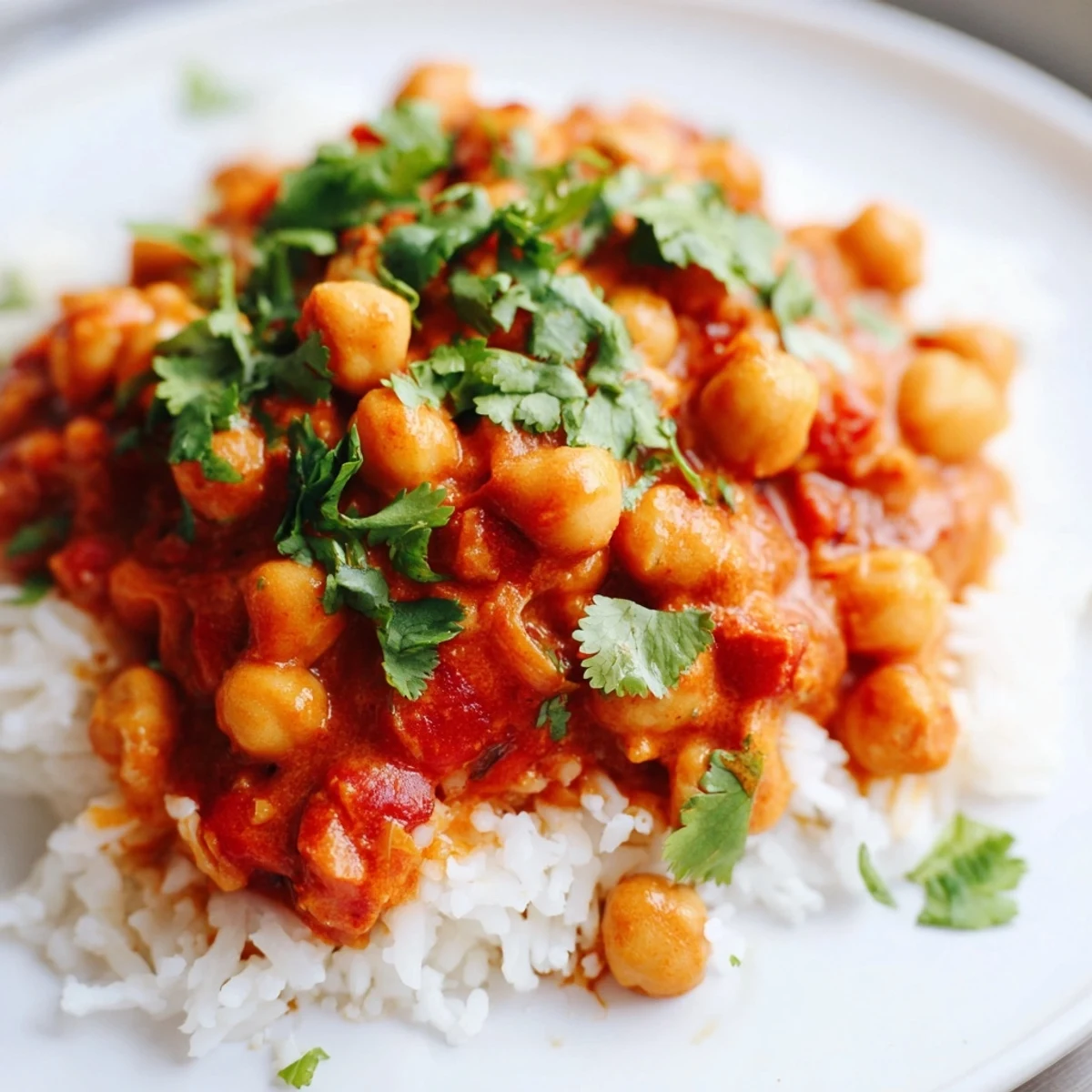
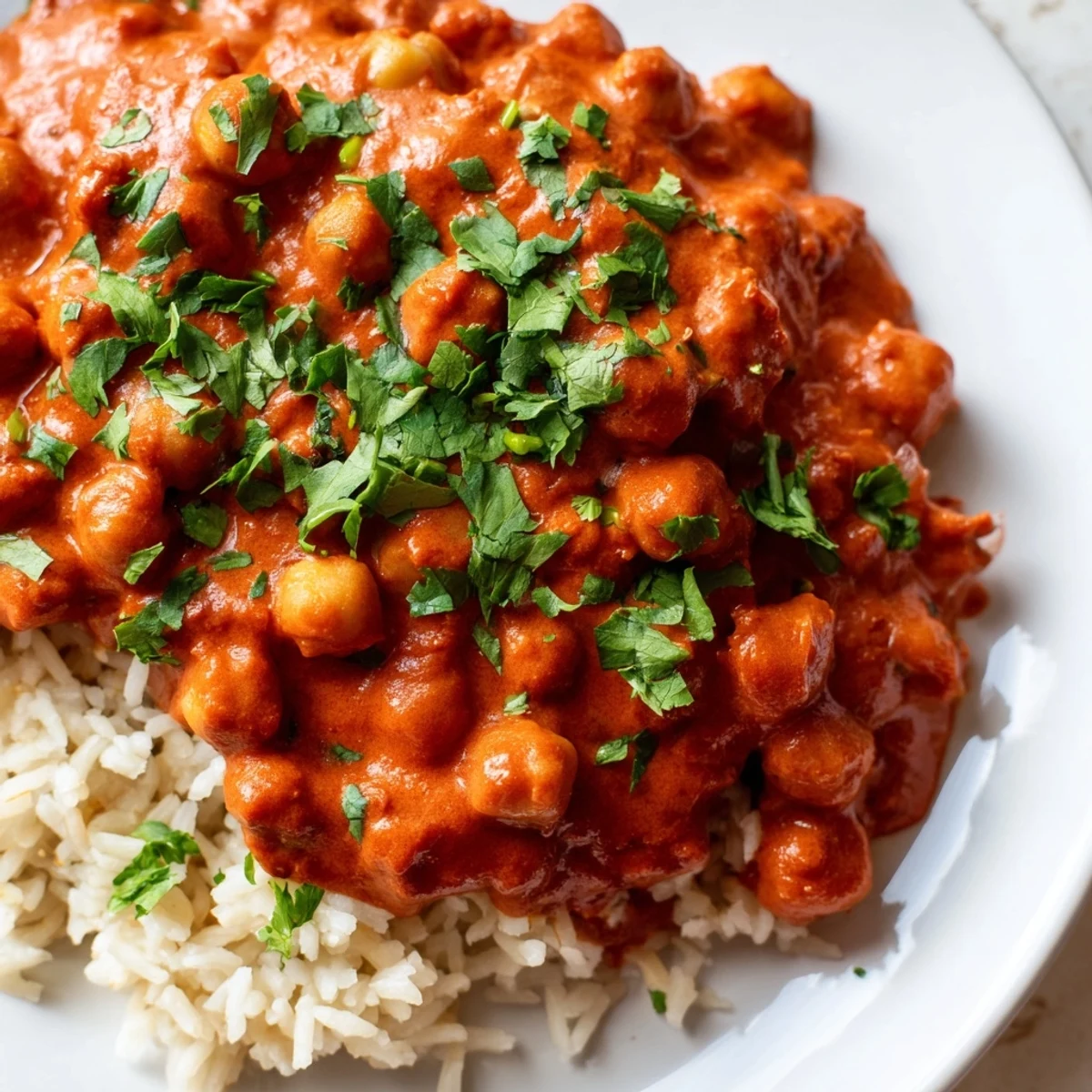
Save This dish features tender chickpeas simmered in a fragrant, creamy tomato-based sauce infused with warming spices like garam masala, cumin, and turmeric. Served atop fluffy basmati rice, it's a vibrant blend of bold Indian-inspired flavors. The sauce is enhanced with coconut milk and a touch of lemon juice for brightness, creating a rich and aromatic main course without dairy. Garnished with fresh cilantro and lemon wedges, this flavorful meal offers a satisfying and wholesome experience, perfect for a medium-difficulty cooking adventure.
The first time I made this, I wasn't trying to recreate some restaurant version—I just wanted to know if I could capture that warm, tangy comfort of tikka masala at home without the cream. It turns out coconut milk does something magical, and chickpeas have this stubborn, satisfying texture that soaks up every bit of spice. Now whenever the kitchen fills with that particular smell of garam masala hitting hot oil, I know I'm about to make something people will actually linger over.
I made this for a friend who mentioned in passing that she couldn't have dairy anymore, and I remember her surprise when she tasted it—she kept saying she couldn't believe how rich the sauce was. That's when I realized this isn't a compromise dish or a diet recipe; it's just delicious, full stop. Now I make it for everyone, and nobody asks what's in it or whether they can eat it.
Ingredients
- Basmati rice: The long grains stay separate and fluffy if you rinse them first—don't skip this step, it removes the starch that makes rice gluey.
- Coconut oil: This carries the spices better than neutral oil and adds a subtle sweetness that rounds out the heat.
- Onion, garlic, ginger: These three are your foundation; take time with the onion so it actually caramelizes instead of just turning translucent.
- Garam masala: This is the soul of the dish—if you can only buy one spice blend, this is it, and yes, it matters that it's fresh.
- Cumin, coriander, turmeric, smoked paprika: Each one adds a different voice, but together they create something you can't quite identify, which is exactly the point.
- Crushed tomatoes and coconut milk: The tomatoes give acid and brightness; the coconut milk gives richness and smoothness—neither one alone gets you there.
- Chickpeas: Canned is perfectly fine here; just rinse them to remove the salty liquid they're packed in.
- Lemon juice: A squeeze at the end wakes everything up and prevents the sauce from feeling flat.
Instructions
- Prepare the rice:
- Rinse basmati rice under cold water until the water runs clear—this removes surface starch so the grains stay distinct. Combine with water and salt, bring to a boil, then reduce heat and simmer covered for 15 minutes; let it steam off heat for another 5 minutes before fluffing with a fork.
- Build the spice base:
- Heat coconut oil in a large skillet and add chopped onion, letting it cook for 5 to 7 minutes until it's soft and golden brown. Add garlic, ginger, and chili, cooking just until fragrant—this whole moment takes maybe 2 minutes and transforms the smell of your kitchen.
- Toast the spices:
- Add garam masala, cumin, coriander, turmeric, paprika, and cayenne, stirring constantly for about 1 minute so the spices bloom and release their oils. You'll notice the kitchen suddenly smells like India, which is your signal you're doing this right.
- Simmer the sauce:
- Pour in crushed tomatoes, coconut milk, salt, and sugar, stirring well to combine, then bring to a simmer and cook uncovered for 10 minutes, stirring occasionally. The sauce will darken and thicken slightly, and the raw tomato taste will mellow into something deeper.
- Finish with chickpeas:
- Add drained and rinsed chickpeas to the sauce and simmer for another 10 minutes, letting them soak up the flavors while the sauce becomes creamy and cohesive. Finish with lemon juice, taste, and adjust salt or spice as needed.
- Serve:
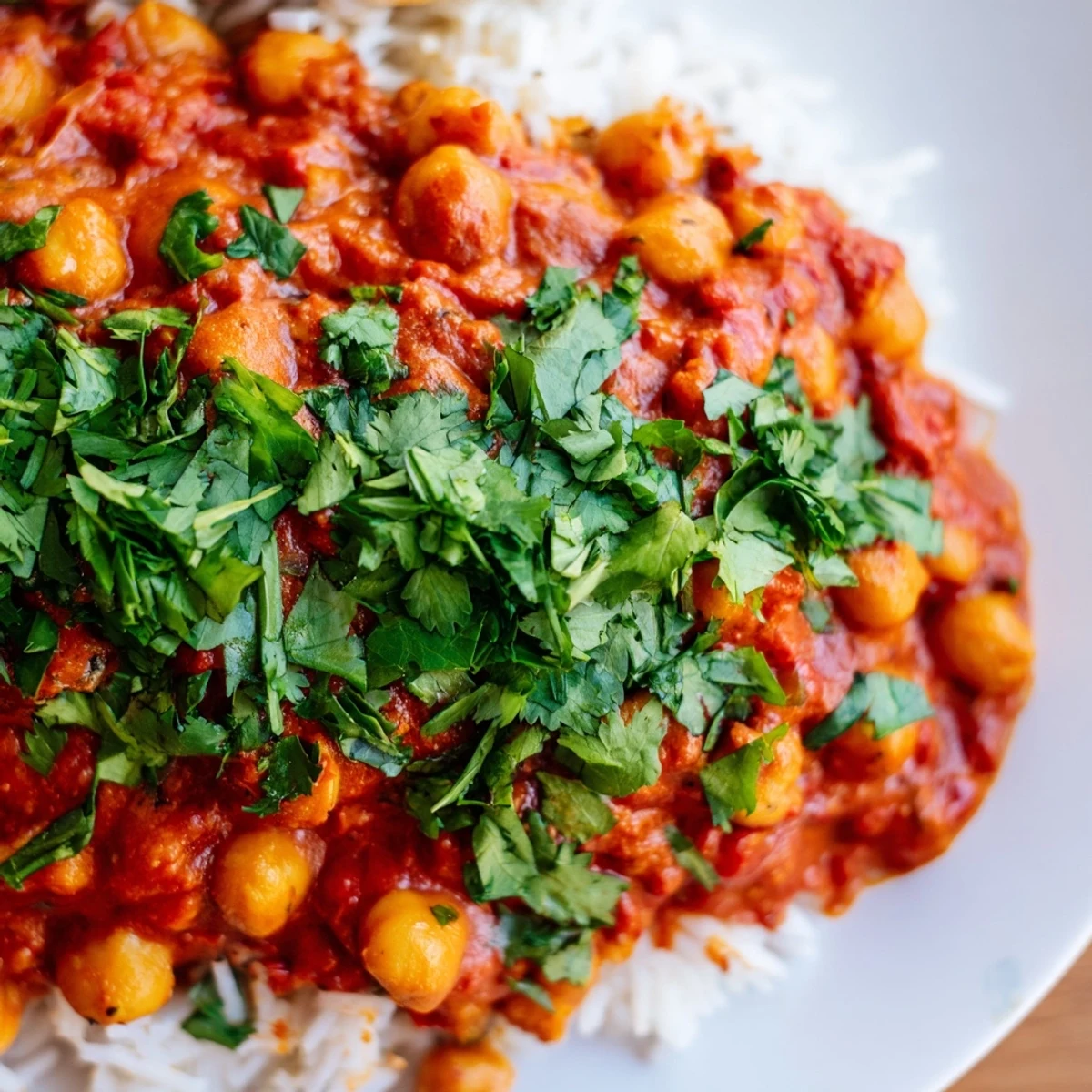
- Spoon the chickpea tikka masala over fluffy basmati rice and garnish with fresh cilantro and lemon wedges. The rice will absorb the sauce's warmth while staying light enough to be its own thing.
 Save
Save I was testing this recipe on a night when everything felt a little heavy, and I remember eating it straight from the pot because plating felt unnecessary. The spices had this effect of making the moment feel bigger than it was—just me, a warm bowl, and this realization that food we cook ourselves has a different quality than anything we order. That's when it shifted from being a recipe I liked to one that meant something.
Why the Spices Matter More Than You Think
Each spice here does specific work: garam masala gives warmth and complexity, cumin adds earthiness, coriander brings a subtle floral note, and turmeric ties everything together while giving that golden color. But they only work when they're toasted in hot oil first—that step isn't a nicety, it's where the magic actually happens. If you skip it or add them to cold oil, they taste sharp and separate instead of blending into something seamless.
The Coconut Milk Question
Coconut milk is what makes this sauce taste rich without dairy, and it needs to be full-fat canned coconut milk—the thin stuff won't give you the same velvety texture. I learned this after trying the lite version once and getting something that felt thin and one-dimensional instead of luxurious. If you can't have coconut for allergies, cashew cream (soaked cashews blended with water) is genuinely excellent, though the flavor shifts slightly toward nuttiness.
Small Variations That Actually Work
I've made this with a cinnamon stick simmered in the sauce and removed before serving—it adds a warmth you can't quite place. I've also added spinach at the very end or a handful of peas, and the dish becomes something slightly different but equally good. The base is flexible enough to handle these changes without falling apart, which is a mark of a recipe that actually works.
- Add a 2-inch piece of cinnamon stick with the sauce and remove it before serving for a deeper, subtler warmth.
- Stir in fresh spinach or peas in the last few minutes of cooking if you want more vegetables.
- This keeps well in the fridge for 3 days and actually improves as the spices meld overnight.
 Save
Save This recipe proved to me that vegan cooking isn't about missing things—it's about understanding how flavors actually work. When you taste this, you're tasting garlic, ginger, tomato, coconut, and spice having a conversation, and nobody's thinking about what isn't there.
Questions & Answers
- → What spices are used in the sauce?
-
The sauce includes garam masala, cumin, coriander, turmeric, smoked paprika, and optional cayenne pepper for a balanced warmth.
- → Can I substitute coconut milk in the sauce?
-
Yes, cashew cream can be used as an alternative to coconut milk for a different creamy texture.
- → How should the basmati rice be cooked for best results?
-
Rinse the rice until water runs clear, then simmer with water and salt for 15 minutes, letting it steam covered for 5 minutes off heat.
- → Can additional vegetables be added to this dish?
-
Steamed spinach or peas can be incorporated for added nutrition and texture.
- → What garnishes complement this dish?
-
Fresh cilantro and lemon wedges add brightness and enhance flavor.