
 Save
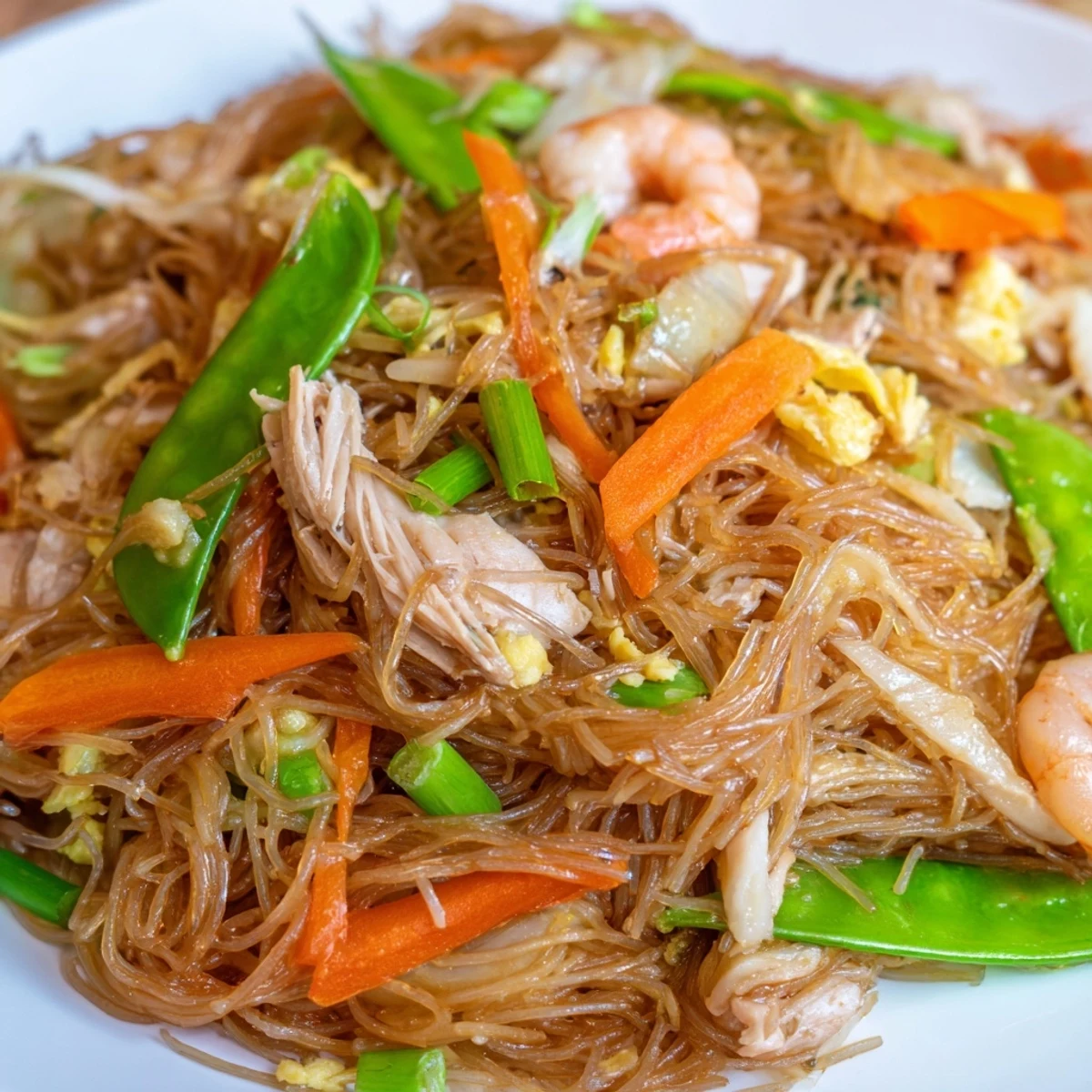
Save This classic Filipino dish features thin rice noodles stir-fried with succulent chicken, plump shrimp, and colorful vegetables. The noodles absorb a rich blend of soy and oyster sauces, creating that signature umami flavor that makes Pancit Bihon a beloved comfort food across the Philippines.
The preparation involves soaking the bihon noodles until perfectly softened, then quickly stir-frying them with garlic, onions, and julienned carrots. The proteins are cooked separately to maintain their texture before being combined with the noodles in the savory sauce.
Ready in just 40 minutes, this versatile main dish serves four generously and can be easily adapted for vegetarians by substituting tofu and vegetable broth. The finished dish is traditionally garnished with fresh scallions and served with calamansi or lemon wedges for a bright, citrusy finish.
The first time I made Pancit Bihon, my tiny apartment filled with the most incredible aroma of garlic and soy sauce, and I knew this dish was going to be a weekend staple. My Lola would always make a massive platter for family gatherings, and watching her work the wok with such confidence made it look effortless. Now I understand why she insisted on having everything prepped before she turned on the stove, the rhythm of stir-fry cooking demands it.
Last summer, I made this for my friends who had never tried Filipino food before, and watching them go back for third helpings was so satisfying. One friend kept asking what the secret ingredient was, and I had to explain it was really just the combination of fish sauce and oyster sauce working their magic. Now they request it every time we have dinner parties.
Ingredients
- 200 g boneless skinless chicken breast thinly sliced: Cutting against the grain gives you tender bites that cook evenly with the shrimp
- 100 g medium shrimp peeled and deveined: Fresh shrimp adds sweetness but frozen works perfectly if thawed and patted dry
- 200 g dried bihon rice vermicelli noodles: These thin rice noodles are essential, do not substitute with egg noodles or wheat vermicelli
- 1 small carrot julienned: Adds essential crunch and color that contrasts beautifully with the soft noodles
- 1 cup green cabbage shredded: The cabbage wilts just enough in the heat while maintaining some texture
- 1/2 cup snow peas trimmed and halved: These bring a fresh snap that cuts through the rich sauce
- 1 small onion sliced: Yellow onion works best but red adds nice color if that is what you have
- 3 cloves garlic minced: Do not skimp here, the garlic builds the foundation of flavor
- 2 tbsp soy sauce: Use a good quality brand, it makes a noticeable difference in depth
- 1 tbsp oyster sauce: This adds umami and a slight sweetness that balances the soy
- 1 tsp fish sauce: Just enough to enhance without making the dish taste fishy
- 1/2 tsp ground black pepper: Freshly cracked gives you the best aroma and heat
- 1 cup chicken broth: Homemade broth is ideal but store-bought works perfectly fine
- 2 tbsp chopped scallions: Fresh scallion tops add a bright oniony finish
- 1 lemon or calamansi cut into wedges: The squeeze of citrus right before eating brightens everything
Instructions
- Prep the rice noodles:
- Soak bihon noodles in warm water for 10 minutes until they soften and turn opaque white, then drain well and set them near your stove.
- Build your aromatic base:
- Heat 2 tablespoons oil in a large wok or skillet over medium-high heat, then sauté the garlic and onion until fragrant and the onion turns translucent.
- Cook the proteins:
- Add the sliced chicken first and cook until lightly browned and cooked through, then toss in the shrimp and stir-fry for about 2 minutes until they turn pink.
- Sauté the vegetables:
- In the same pan, stir-fry the carrots, cabbage, and snow peas for 2 to 3 minutes until they are just tender but still retain their crunch.
- Bring everything together with sauce:
- Return the cooked chicken and shrimp to the pan, then pour in the soy sauce, oyster sauce, fish sauce, and chicken broth, bringing it all to a gentle simmer.
- Add the noodles and toss:
- Gently toss in the drained noodles using tongs, letting them absorb the flavorful sauce while cooking for 3 to 4 minutes until heated through.
- Season and adjust:
- Sprinkle with black pepper and taste the dish, adding more salt or sauces if needed before transferring to a serving platter.
- Garnish and serve:
- Scatter chopped scallions over the top and serve with lemon or calamansi wedges on the side for that essential squeeze of brightness.
 Save
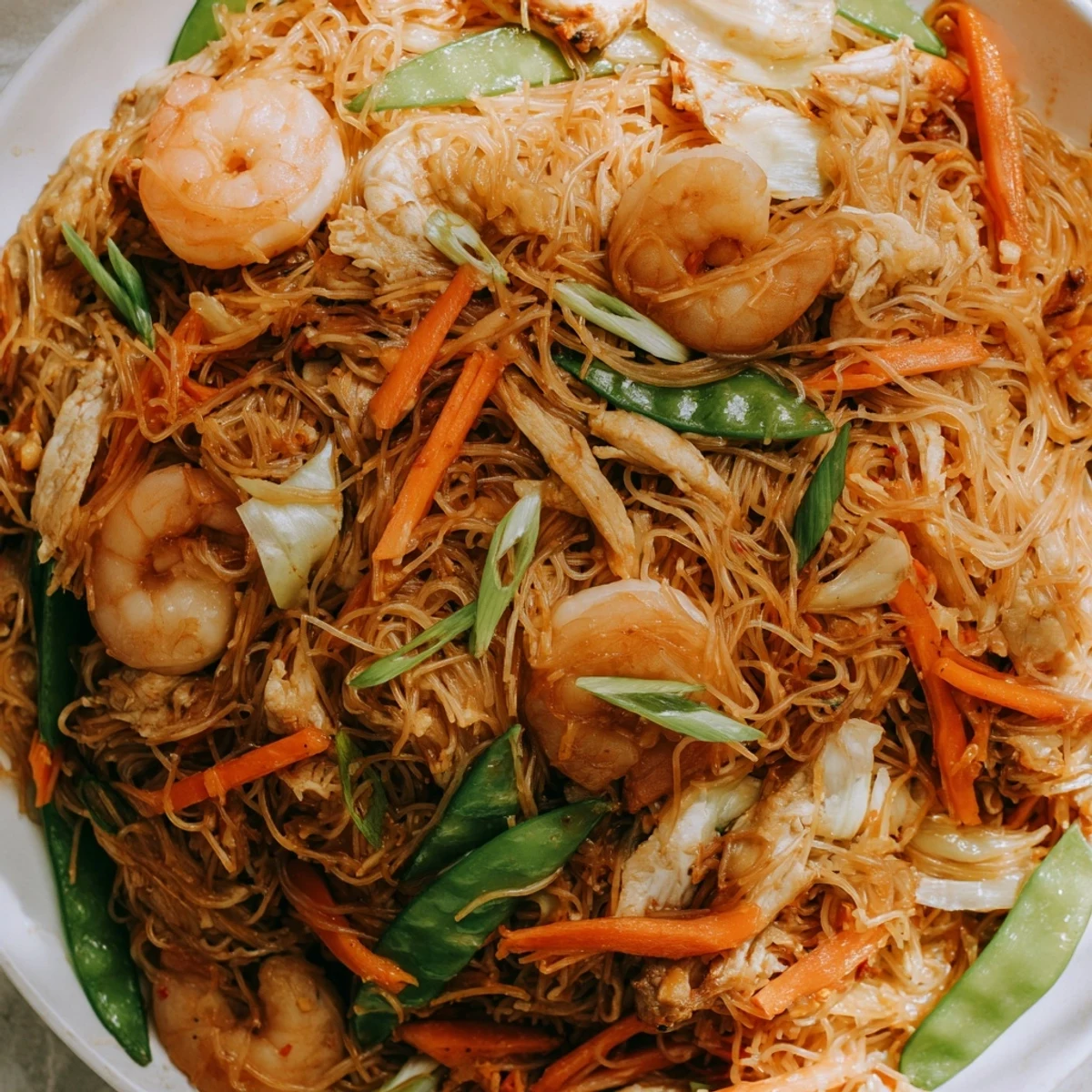
Save This dish became my go-to for potlucks after a coworker told me it was the best Pancit she had ever had, and she was Filipino so that meant something. There is something so communal about a big platter of noodles that brings people together around the table.
Getting the Noodle Texture Right
The key to perfect Pancit Bihon is not overcooking the noodles once they hit the sauce. I learned this the hard way when my first attempt turned into a soggy puddle, now I pull them off the heat the second they are heated through and still have some bounce.
Vegetable Variations That Work
Snow peas are traditional but I have used snap peas and even green beans in a pinch. Bell peppers add beautiful color and sweetness while celery brings a nice aromatic crunch that pairs well with the garlic.
Make It Your Own
My sister adds crushed chicharrón on top for crunch and it is absolutely genius, the salty pork cracklings complement the noodles perfectly. You can also make it vegetarian with tofu and vegetable broth, just bump up the oyster sauce for extra umami.
- Try adding a splash of rice vinegar if you like more acidity
- Chopped roasted peanuts on top add wonderful texture
- Leftovers reheat beautifully with a splash of water
 Save
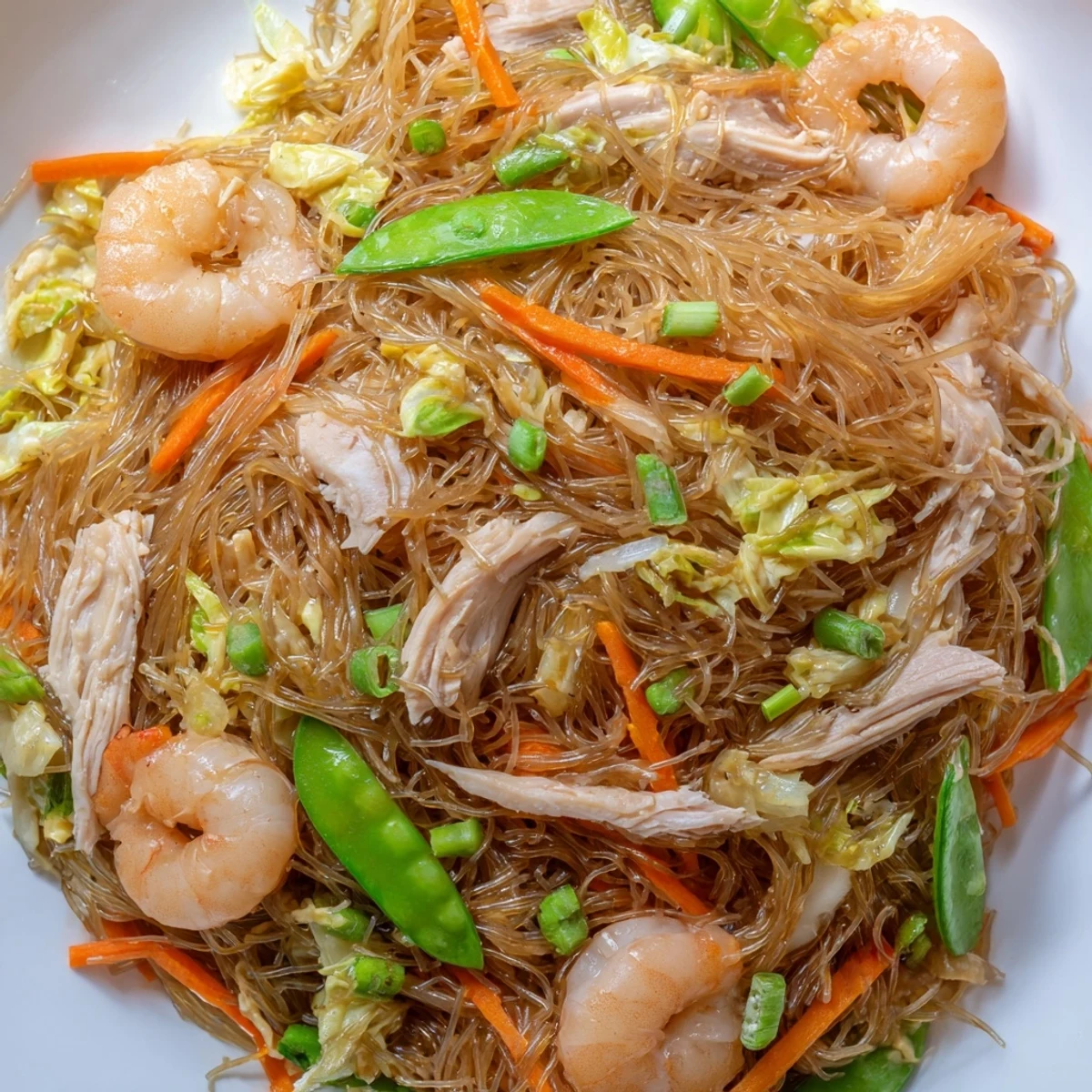
Save There is nothing quite like the sound of tongs hitting the wok and the smell of garlic hitting hot oil to make a house feel like home.
Questions & Answers
- → What makes Pancit Bihon different from other Filipino noodle dishes?
-
Pancit Bihon specifically uses thin rice vermicelli noodles called bihon, which distinguishes it from other pancit varieties that use egg noodles, thick rice noodles, or canton noodles. The bihon noodles have a delicate texture that absorbs flavors beautifully while maintaining a satisfying bite.
- → How do I prevent the noodles from becoming mushy?
-
Soak the dried bihon noodles in warm water for exactly 10 minutes—no longer. Drain them thoroughly before adding to the pan. When cooking, toss the noodles gently with tongs and cook just until they've absorbed the sauce and are heated through, typically 3-4 minutes.
- → Can I prepare Pancit Bihon in advance?
-
Yes, you can prep all ingredients ahead of time. However, for best texture, cook the dish just before serving. If you must reheat leftovers, add a splash of chicken broth and warm gently in a pan, tossing to prevent sticking.
- → What vegetables work best in Pancit Bihon?
-
Traditional choices include julienned carrots, shredded cabbage, and snow peas for their crunch and color. You can also add bell peppers, celery, snap peas, or green beans. Avoid watery vegetables like zucchini that can make the dish soggy.
- → Is Pancit Bihon gluten-free?
-
The rice noodles are naturally gluten-free, but the soy and oyster sauces typically contain gluten. To make this completely gluten-free, use tamari or certified gluten-free soy sauce and check that your oyster sauce is gluten-free. The fish sauce is usually gluten-free.
- → What's the purpose of serving calamansi or lemon wedges?
-
The citrus provides a bright, acidic contrast that cuts through the rich, savory sauce. Squeezing fresh calamansi or lemon juice over the noodles just before eating enhances the flavors and adds a refreshing tang that balances the umami notes.