
 Save
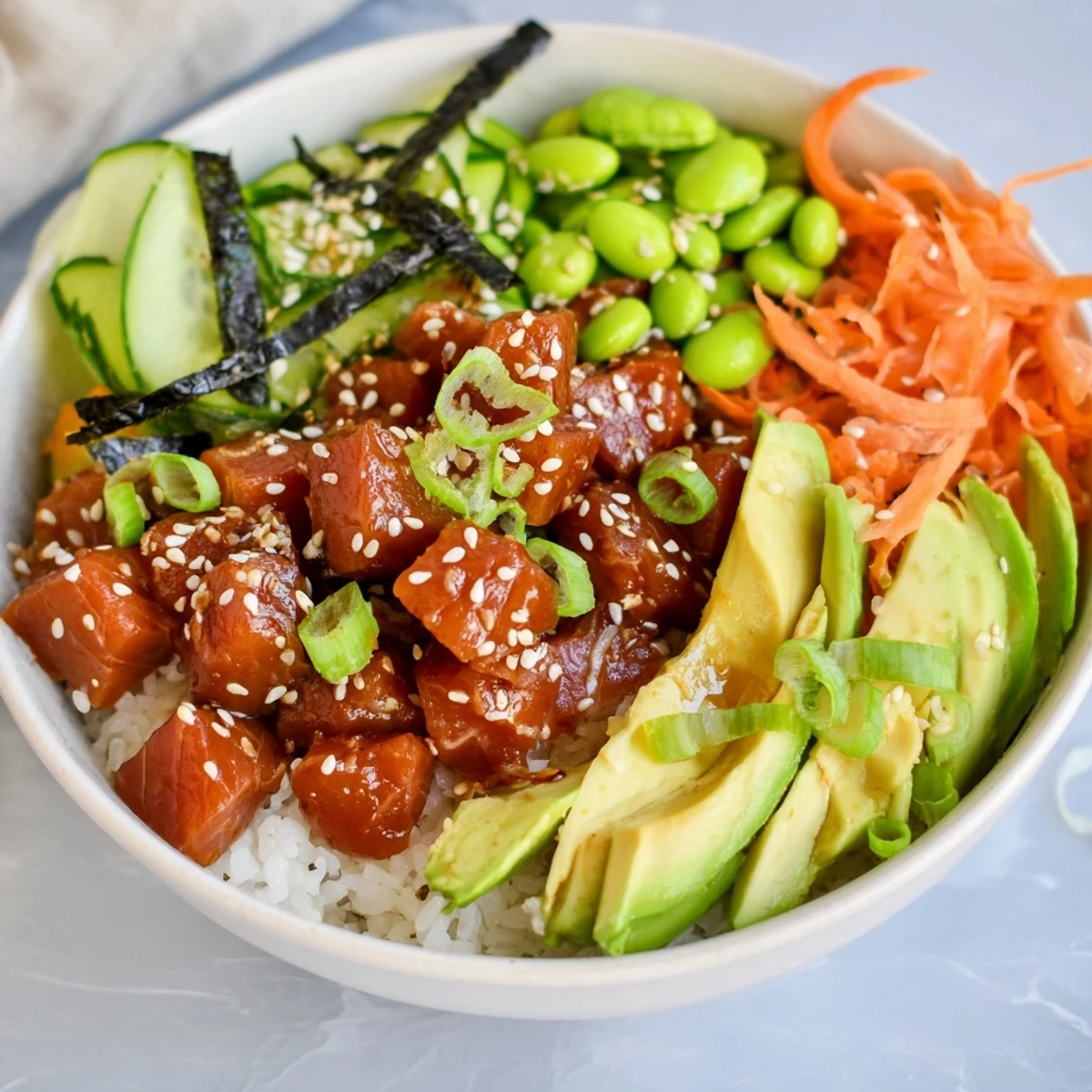
Save This Hawaiian-inspired bowl combines sushi-grade tuna marinated in a spicy soy-sesame blend with creamy avocado, crisp vegetables, and fluffy seasoned rice. The spicy marinade features soy sauce, sesame oil, sriracha, and mayonnaise, creating that signature kick. Each bowl delivers a perfect balance of protein, healthy fats, and carbohydrates, making it ideal for a satisfying lunch or light dinner. Assembly is straightforward—marinate the tuna, prepare the rice, and layer with your favorite toppings for a restaurant-quality meal at home.
The first time I tasted poke bowls was at a tiny beachside shack in Oahu, where the owner served them in simple paper containers. I came back three days in a row until I finally worked up the courage to ask for his marinade ratios. Now this spicy version has become my go-to Friday dinner, the kind of meal that makes you feel like you're on vacation even when you're just eating at your kitchen counter.
My roommate walked in last week while I was marinating the tuna and immediately asked what smelled so incredible. We ended up inviting two neighbors over and doubling the batch on the spot. Theres something about building your own bowl that turns dinner into a communal experience, everyone reaching across the table for extra cucumber slices or debating whether to add more sriracha.
Ingredients
- Sushi grade tuna: The absolute star of the show and worth every penny of finding a trustworthy fishmonger
- Soy sauce: Low sodium gives you control over the saltiness since the sauce reduces slightly
- Sesame oil: Toasted version adds that nutty depth you cant fake
- Sriracha: Adjust this to your heat tolerance but dont skip it entirely
- Kewpie mayonnaise: The rich umami that makes restaurant poke taste so premium
- Honey or sugar: Balances all that salt and heat into something addictive
- Sushi rice: Short grain rice becomes perfectly sticky and seasoned
- Rice vinegar: Use this in both the rice seasoning and the marinade
- Avocados: They need to be perfectly ripe so they cream into the bites
- Cucumber: Thinly sliced for that refreshing crunch between rich bites
- Edamame: Adds protein and pops of bright green color
- Nori sheets: Cut into thin strips for those ocean notes throughout
- Sesame seeds: Toasted if possible for that nutty finish
Instructions
- Cook the rice:
- Rinse your sushi rice under cold water until it runs clear then combine with water in a saucepan. Bring to a boil cover tightly and simmer for exactly 15 minutes before letting it steam covered for another 10.
- Season the rice:
- Mix rice vinegar sugar and salt until dissolved then gently fold into the warm rice. Spread it in a thin layer to cool faster while you prep everything else.
- Whisk the sauce:
- Combine soy sauce sesame oil sriracha mayo rice vinegar honey and sesame seeds in a bowl. Taste and adjust the heat level before adding the tuna.
- Marinate the tuna:
- Add diced tuna to the sauce and toss gently so you dont break apart the cubes. Let it sit for at least 10 minutes in the refrigerator but no longer than 30 or the texture starts changing.
- Prep your toppings:
- Slice avocados thinly julienne the carrot shave the cucumber and shell your edamame. Cut nori into thin strips with scissors for easier handling.
- Build your bowls:
- Start with a base of seasoned rice then arrange the tuna and toppings in sections. Finish with sesame seeds pickled ginger and anything else that catches your eye.
 Save
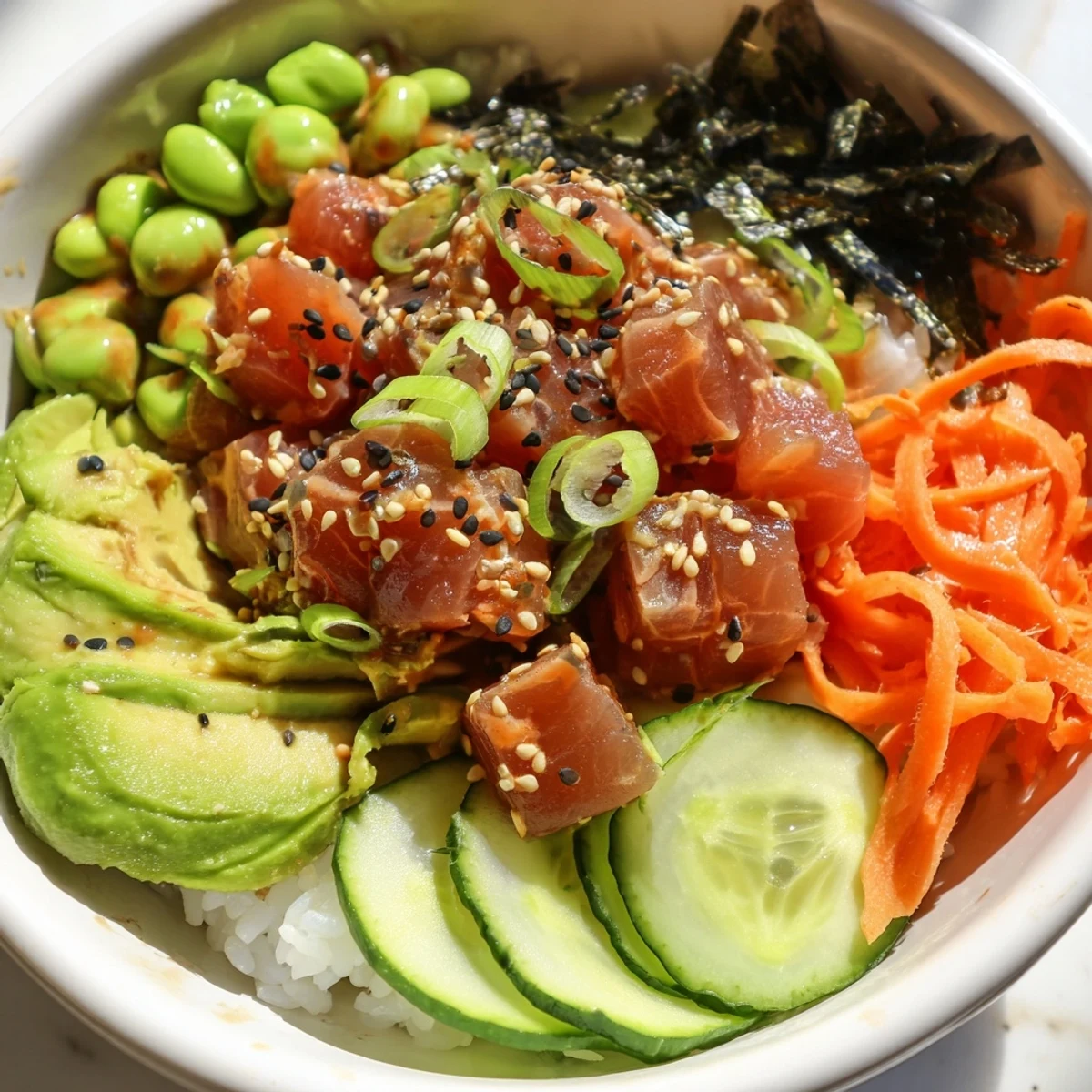
Save Last summer I made these for a sunset picnic and my friend Sarah who swore she hated fish went back for thirds. Sometimes the best conversations happen over bowls you build together hands sticky from rice reaching for the last piece of avocado.
Making It Your Own
The beauty of poke bowls is how forgiving they are to substitutions. I've swapped in salmon when tuna looked tired and even tried cubed tofu for a vegan friend. The sauce works with almost anything but stick to sushi grade fish if youre going raw.
Rice Wisdom
Spend the money on proper sushi rice not jasmine or medium grain. The starch content is what makes those individual grains stick together just enough. And rinse until the water runs completely clear or your rice will turn gummy instead of fluffy.
Timing Everything Right
Start your rice first since it needs time to cool properly. While it simmers prep all your vegetables and whisk together the sauce. The tuna should marinate while you finish slicing toppings so everything comes together at once.
- Buy your tuna the same day you plan to serve it
- Keep everything chilled until the moment you assemble
- Leftovers dont keep well so invite friends over
 Save
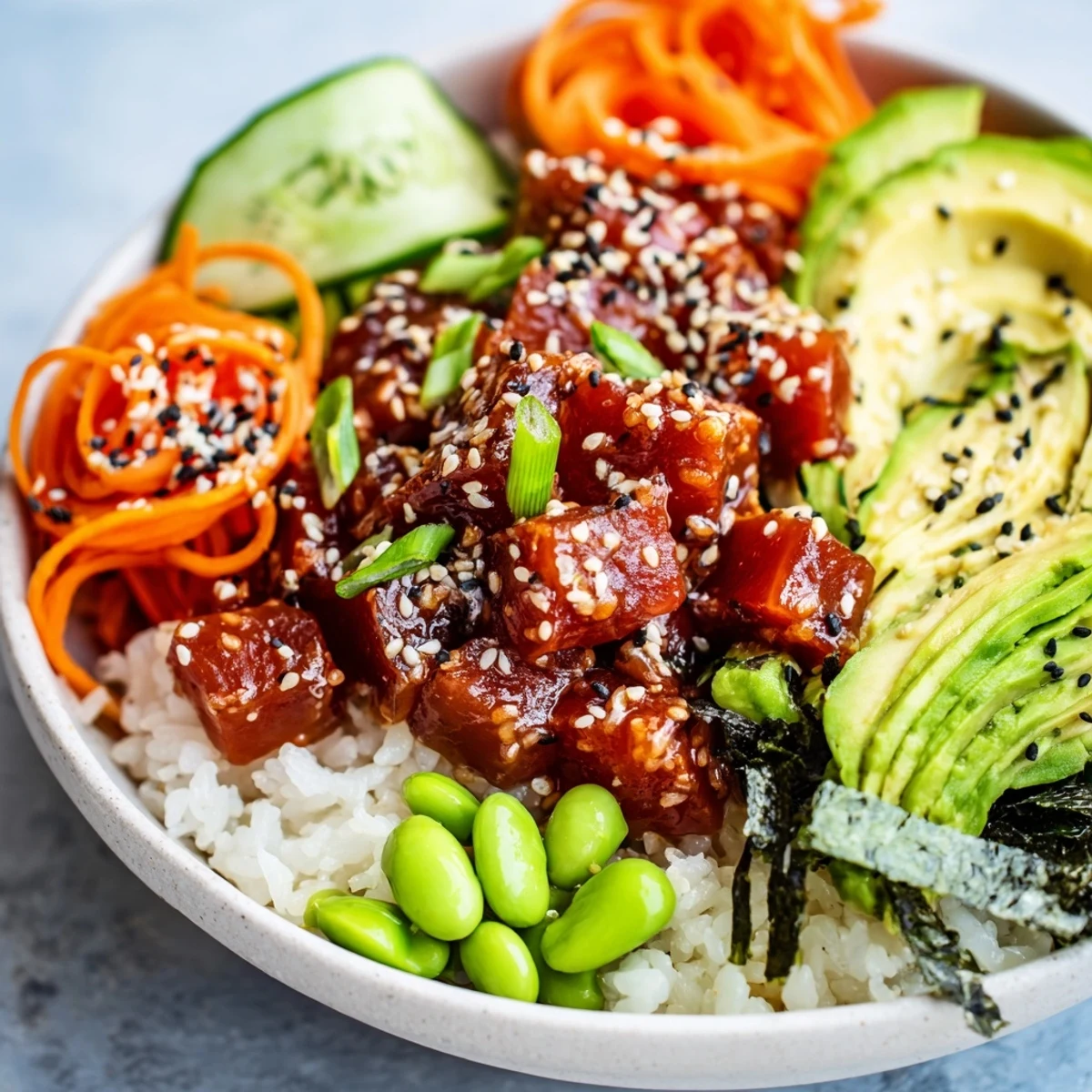
Save Nothing beats that first bite when the spicy tuna hits the cool rice and everything just works together. Some meals are just meant to be eaten slowly preferably with good music playing in the background.
Questions & Answers
- → What type of tuna should I use?
-
Choose sushi-grade or sashimi-grade tuna from a reputable fishmonger. The quality matters since the fish is served raw. Look for deep red color with no brown spots and a fresh ocean scent.
- → Can I make this ahead of time?
-
Prepare the rice and marinade components up to a day in advance. However, marinate the tuna just before serving—over-marinating can alter the texture. Assemble bowls immediately before eating for best results.
- → How do I adjust the spice level?
-
Reduce the sriracha in the marinade for a milder version, or increase it for extra heat. You can also serve additional hot sauce on the side so diners can customize their own bowls.
- → What can I substitute for sushi rice?
-
Short-grain white rice works well as a substitute. For a lighter option, try brown sushi rice or cauliflower rice, though cooking times will vary. Avoid long-grain varieties as they don't hold together properly.
- → Is this bowl gluten-free?
-
Use tamari instead of soy sauce and verify that your nori sheets are certified gluten-free. With these simple swaps, the entire bowl becomes gluten-free while maintaining all the traditional flavors.
- → How long will marinated tuna keep?
-
Consume marinated tuna within 24 hours for optimal quality and safety. Store in an airtight container in the refrigerator and never leave at room temperature for more than two hours.