
 Save
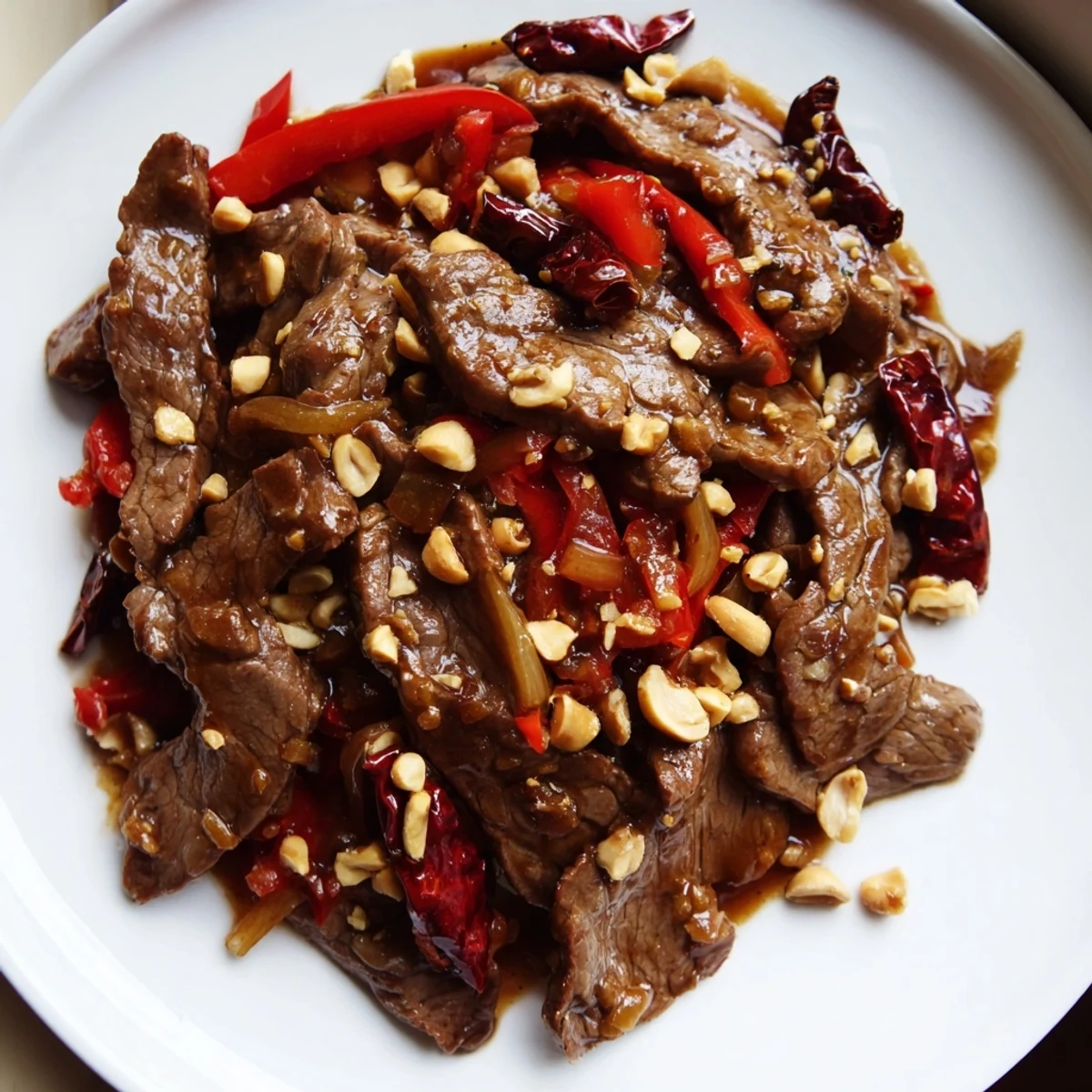
Save This bold and fiery dish pairs tender beef slices with crunchy roasted peanuts, delivering an authentic Szechuan flavor experience. Marinated with soy sauce, Shaoxing wine, and pepper, the beef is stir-fried quickly for a juicy texture. Szechuan chilies and peppercorns add mouth-tingling heat, balanced by garlic, ginger, and fresh vegetables. Tossed in a savory sauce with hoisin and vinegar, the dish finishes glossy with scallions and peanuts for extra crunch. Ideal for a quick yet vibrant main featuring classic Chinese spice harmonies.
The first time I understood what Szechuan peppercorns actually do, my mouth went numb in the best way possible—not from heat, but from that distinctive tingling sensation that makes you crave another bite before the last one settles. A friend brought back a small jar from a trip to Chengdu, and I spent an entire evening experimenting, discovering how different they are from anything in my spice rack at home. That night led to this stir-fry, which has become my go-to when I want bold, unapologetic flavors that demand attention. Now I keep those peppercorns stocked, ready for the moment the craving hits.
I made this for my colleague who mentioned offhand that she missed authentic Szechuan food from her childhood in Shanghai, and watching her face light up after that first bite was worth every minute I spent slicing vegetables. She asked for the recipe immediately, then admitted she'd been ordering takeout because nothing at home came close—this changed that. Now whenever we have potlucks, she requests it, and I've stopped worrying about whether I'm doing it justice because the results speak for themselves.
Ingredients
- Flank steak, thinly sliced against the grain: Cutting against the grain is the secret to tender, melt-in-your-mouth beef that doesn't require a long cook time; a sharp knife and confidence make this step quick and essential.
- Soy sauce: Use a good quality sauce here since it appears twice—once in the marinade for depth and once in the final sauce for complexity that cheap versions simply can't deliver.
- Shaoxing wine: This warm, slightly sweet rice wine adds a subtle depth that sherry can approximate but never quite replaces; it's worth tracking down in an Asian market.
- Cornstarch: Just enough to create a silky coating on the beef that helps it sear beautifully without becoming tough or grainy.
- Szechuan peppercorns: The stars of the show—toast them lightly to wake up their numbing oils, and don't skip this step or you'll miss the whole point of the dish.
- Dried Szechuan chilies: Start with 10 and adjust based on your heat tolerance; I learned the hard way that more isn't always better when you're cooking for a group.
- Fresh ginger and garlic: Minced fine, these become the aromatic foundation that everything else builds on; their brightness cuts through the richness beautifully.
- Bell pepper and onion: These provide sweetness and structure, softening just enough to stay slightly crisp and add color without overwhelming the other flavors.
- Roasted peanuts: Unsalted is crucial here because the sauce already carries enough salt; the peanuts add a grounding nuttiness that balances the spice.
- Chinkiang vinegar: This dark, slightly sweet vinegar adds authenticity and a subtle depth that rice vinegar can't quite match, though it works in a pinch.
- Hoisin and sesame oil: Hoisin adds umami sweetness while sesame oil brings a final glossy richness that makes the whole dish taste more complete.
Instructions
- Marinate the beef:
- Combine your thinly sliced beef with soy sauce, Shaoxing wine, cornstarch, and pepper, mixing gently so every piece gets coated. Let it sit for 15 minutes while you prep everything else—this time transforms the beef from ordinary to silky and tender.
- Prepare the sauce:
- Whisk together soy sauce, Chinkiang vinegar, hoisin, sugar, and sesame oil in a small bowl, tasting as you go. Having this ready means you're never scrambling mid-stir-fry when timing becomes critical.
- Sear the beef:
- Heat 1 tablespoon of oil in your wok or skillet until it's smoking slightly, then add the beef in a single layer and resist the urge to stir for a full minute so it develops a golden crust. Let it sear for 2-3 minutes total until browned but still tender inside, then remove and set aside.
- Toast the Szechuan aromatics:
- Add the remaining oil, then immediately add your dried chilies and peppercorns, stirring constantly for just 30 seconds until the kitchen smells unbelievably fragrant. This is the moment when you know you're doing it right—your eyes might water slightly from the spice oils, and that's exactly what you want.
- Build the flavor base:
- Add your minced garlic and ginger, then the sliced onion and bell pepper, stir-frying for 2-3 minutes until the vegetables start to soften and the raw edge disappears. The aromatics will coat everything in a fragrant paste that makes your mouth water.
- Bring it all together:
- Return the beef to the wok and pour in your prepared sauce, tossing everything constantly for about a minute so every piece gets glossy and coated. The sauce should cling to the ingredients with that signature silky sheen.
- Finish and serve:
- Add the scallions and chopped peanuts, tossing for 30 seconds until just heated through, then transfer to a serving dish immediately. Serve over steamed rice while everything is still hot and the peanuts still have their crunch.
 Save
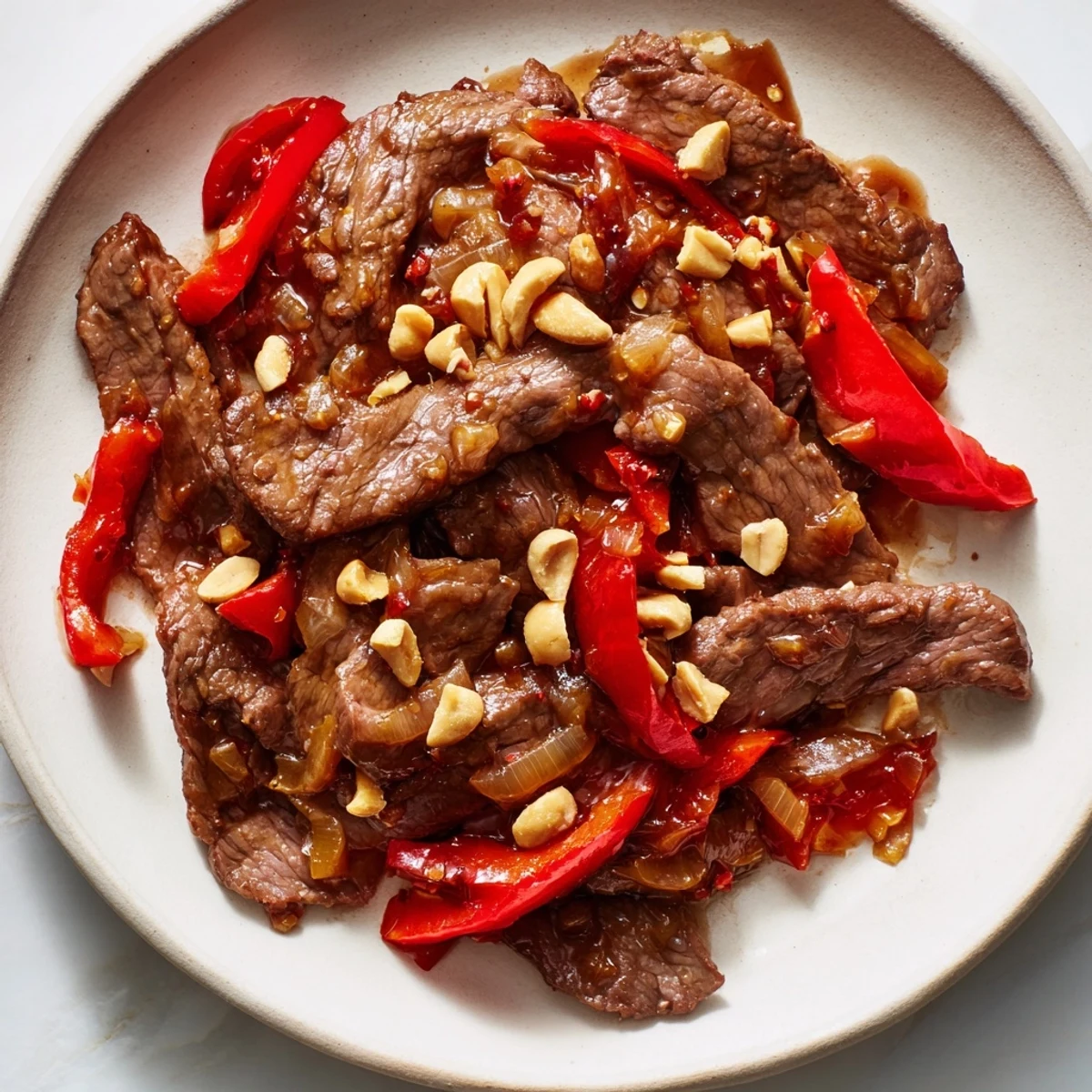
Save There's a specific moment when this dish shifts from cooking to magic—it's when you pour that glossy sauce back over the beef and vegetables and the whole wok suddenly smells like something you'd pay serious money for at a restaurant. That's the moment I knew this recipe belonged in regular rotation, not just for special occasions. Now it's the dish I make when I want to feel accomplished in the kitchen without spending hours there.
The Numbing Heat You Need to Try
If you've only ever experienced spicy food as pure heat that makes you sweat and reach for water, Szechuan peppercorns will completely reframe that experience. They create a tingling, almost electric sensation on your tongue and lips that's different from the burn of chili peppers—it's not painful, just intensely present and weirdly addictive. Once you understand this distinction, suddenly the dish makes sense in a whole new way, and you'll start chasing that specific tingle in other recipes too.
Why Timing and Heat Matter More Than You Think
A wok stir-fry demands high heat and constant motion, and this is where home cooking can differ from restaurant versions that seem effortless. Your stove probably doesn't get as hot as a commercial wok, which means your vegetables might take a minute longer and your sauce might need slightly more time to reduce. This isn't failure—it's adjustment. I learned to trust the visual cues rather than the clock: when the beef is browned, when the vegetables soften at the edges, when the sauce looks glossy. Once you stop watching the timer and start watching the food, everything becomes more intuitive.
Customizing Heat and Texture to Your Preference
The beauty of this dish is how easily you can adjust it to match what you actually want to eat. Start with fewer chilies and peppercorns if you prefer gentler spice levels, or add more if you like to feel the heat for hours afterward—both versions are equally valid and equally delicious. The suggested additions of water chestnuts or snap peas add crunch if your bell peppers are soft, and they pair beautifully with the peanuts without overwhelming the dish.
- Keep dried Szechuan chilies whole so diners can push them to the side if they find them too intense, while still getting flavor from the heat they've infused into the oil.
- Add water chestnuts for extra crunch, snap peas for brightness, or fresh cashews instead of peanuts if anyone has allergies but still wants that textural contrast.
- Serve with steamed white rice or jasmine rice to provide a neutral base that lets the bold flavors shine while cooling the heat slightly between bites.
 Save
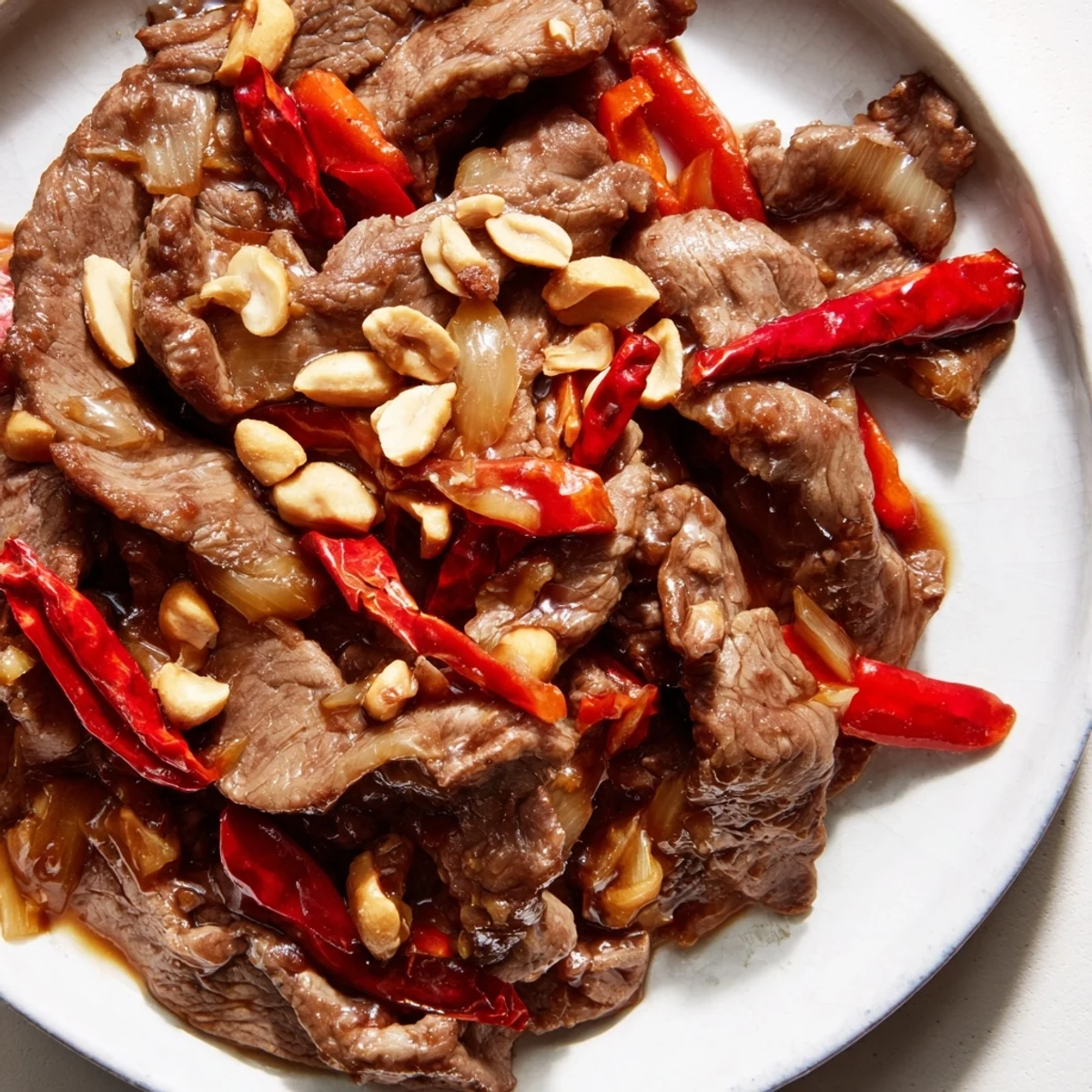
Save This dish has become my answer to the question "what should we cook?" because it's bold enough to feel special but straightforward enough that I can execute it perfectly almost every time. There's real joy in taking a few quality ingredients and technique and turning them into something that tastes like it came from a restaurant kitchen.
Questions & Answers
- → How do Szechuan peppercorns affect the flavor?
-
Szechuan peppercorns add a unique numbing heat that complements the chili spiciness, creating a mouth-tingling sensation typical of Szechuan cuisine.
- → Can I use other cuts of beef for this dish?
-
Yes, flank steak is preferred for tenderness and quick cooking, but sirloin or skirt steak can be thinly sliced and used effectively.
- → What can be substituted for Shaoxing wine?
-
Dry sherry or a mild rice wine are good alternatives that maintain the marinade's authentic depth of flavor.
- → How can the spice level be adjusted?
-
Reducing or removing dried chilies and using fewer Szechuan peppercorns will decrease heat while preserving flavor balance.
- → What side pairs well with this dish?
-
Steamed rice, jasmine tea, or a light lager nicely complement and balance the bold, spicy notes of the dish.