
 Save
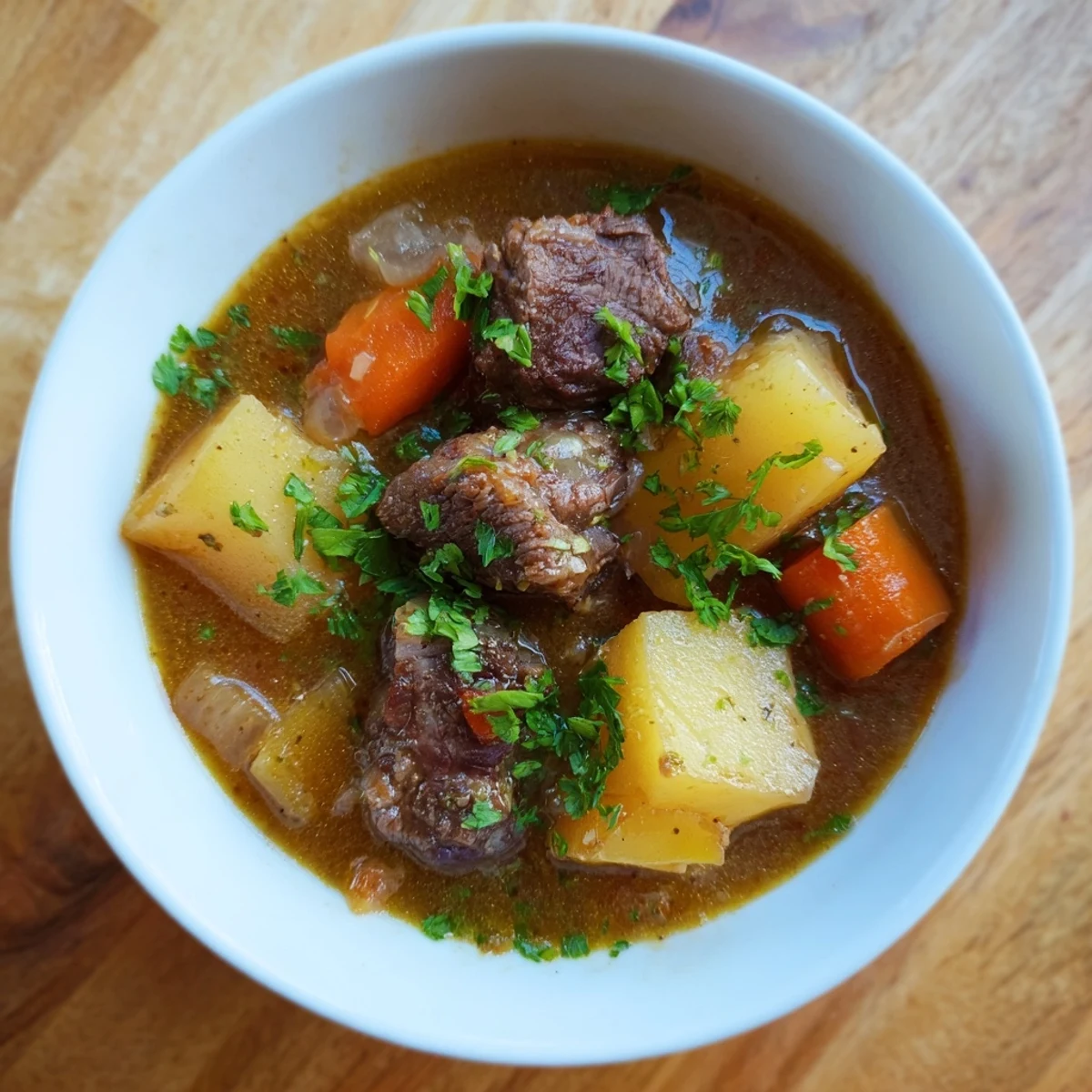
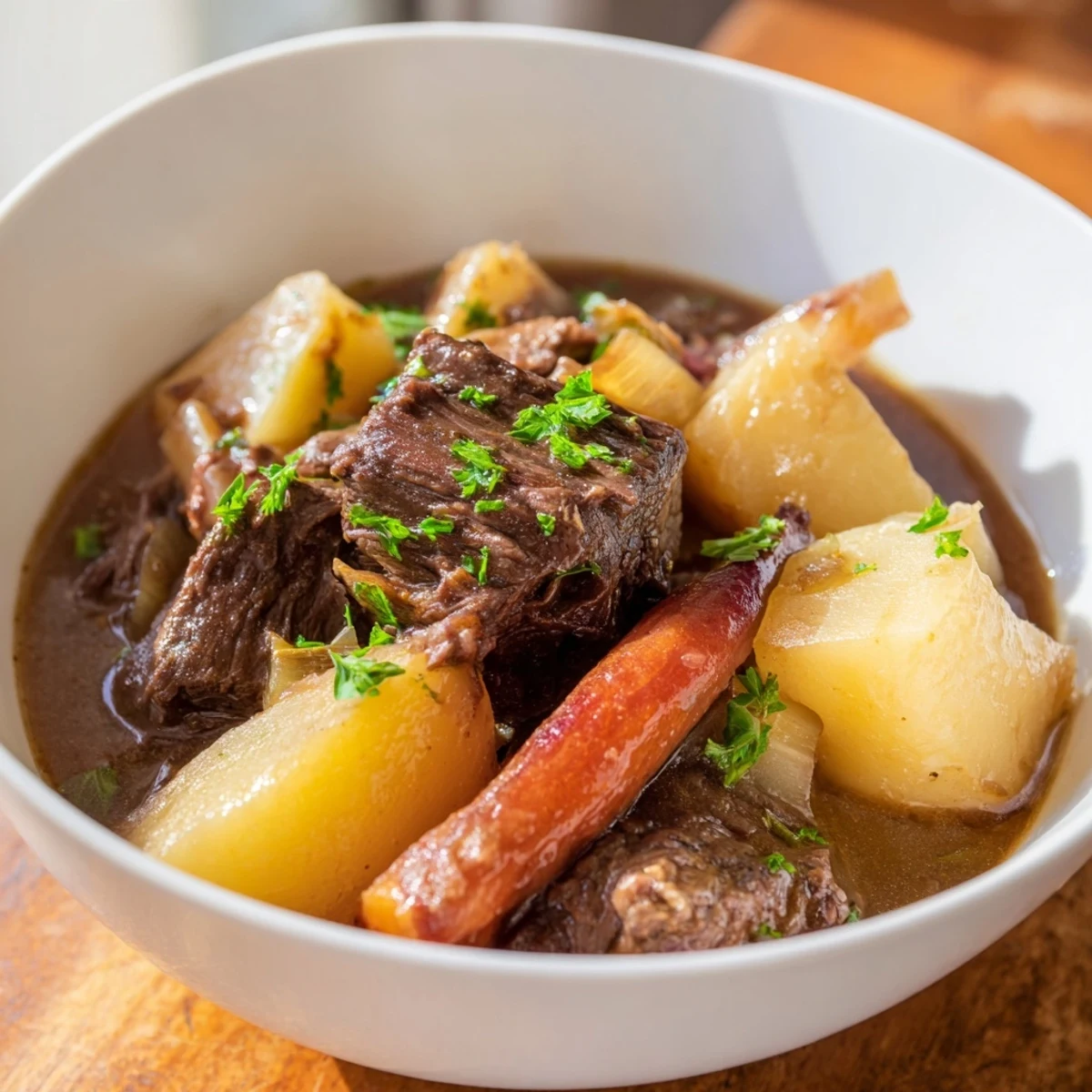
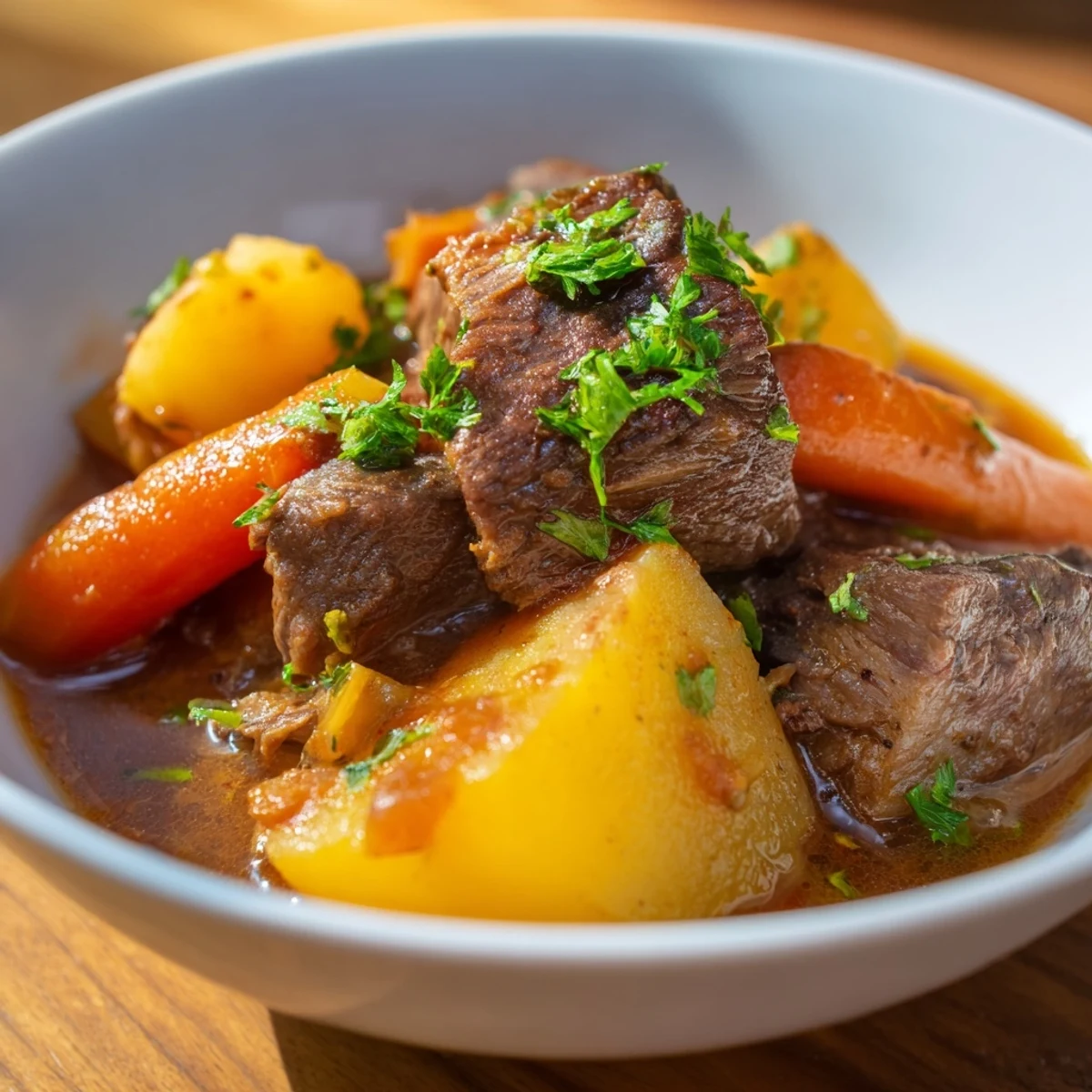
Save This dish features succulent beef chuck pieces paired with a medley of carrots, parsnips, potatoes, onion, and celery, all simmered slowly to develop deep, layered flavors. The mixture of herbs like thyme, rosemary, and bay leaves infuses the broth with aromatic notes, while optional searing adds an extra dimension of taste. Slow cooking ensures the beef becomes fork-tender and vegetables soften perfectly, creating a comforting main course rich in savory goodness. Garnished with fresh parsley and adaptable with optional mushrooms or wine, it’s an easy, homey meal for any day.
There's something almost magical about opening the slow cooker lid after eight hours and being hit with that wall of steam carrying beef, wine, and herbs. My kitchen filled with that smell one particularly gray Sunday, and I knew I'd finally nailed the kind of stew that makes you want to sit at the table longer than necessary. It's the sort of dish that turns a regular day into something worth remembering, even if it was just the two of us at home.
I made this for friends on a cold evening, and watching them come back for seconds without even pretending they were still hungry told me everything I needed to know. One person actually asked for the recipe, which almost never happens, and I realized it wasn't fancy or complicated—it was just exactly what people want when they're gathered around a table.
Ingredients
- Beef chuck, 2 lbs cut into 1½-inch cubes: This is the workhorse cut that actually gets better the longer it cooks, breaking down into those silky strands that make the stew special.
- Carrots, 2 large peeled and sliced: They stay firm enough not to disappear but soft enough to taste like they've been there all along, sweetening the broth as they cook.
- Parsnips, 2 peeled and sliced: Honestly, these are what separate a good stew from a memorable one—they have this subtle sweetness that beef somehow brings out.
- Potatoes, 2 medium peeled and cubed: Keep them roughly the same size as your beef so everything finishes cooking at the same time.
- Onion, 1 large chopped: This dissolves almost completely, thickening the broth naturally and building the foundation of flavor.
- Celery, 2 stalks sliced: A quieter ingredient that does important work, balancing and deepening the overall taste without announcing itself.
- Garlic, 3 cloves minced: Add it at the beginning so it mellows and infuses rather than staying sharp or overpowering.
- Beef broth, 4 cups low sodium: Low sodium matters here because the broth concentrates as the stew cooks, and you'll taste the difference.
- Dry red wine, 1 cup optional: If you use it, choose something you'd actually drink—it adds depth that broth alone can't quite reach.
- Tomato paste, 2 tbsp: This is a secret weapon, adding richness and a subtle tang that makes the whole thing taste deeper and more complex.
- Salt and black pepper to taste: Start with 2 teaspoons salt and 1 teaspoon pepper, then adjust at the end when you can actually taste what you've made.
- Dried thyme and rosemary, 1½ tsp and 1 tsp: These are the backbone of the flavor, so don't skip them or substitute with fresh ones at the start—they need hours to fully release.
- Bay leaves, 2: Remove them before serving, and don't let anyone bite into one unless you want to hear about it forever.
- Cornstarch slurry optional: Mix 2 tablespoons cornstarch with 2 tablespoons cold water only if you like your stew thick rather than brothlike—totally up to you.
- Fresh parsley, 2 tbsp chopped: This is your final touch, adding brightness and color that reminds everyone this is still a vegetable-forward dish.
Instructions
- Season and sear the beef:
- Pat your beef dry and hit it with salt and pepper on all sides. If you have fifteen minutes and a hot skillet, sear it in batches until it's dark brown—this step is genuinely optional, but it builds a deeper flavor that you'll notice by hour three of cooking.
- Build your slow cooker base:
- Add all your vegetables and the browned beef to the slow cooker, layering them roughly—this isn't precise work. Give everything a gentle stir so nothing is sitting on top of anything else.
- Make the braising liquid:
- Whisk together your broth, wine if using it, tomato paste, and herbs in a bowl, breaking up the tomato paste so it actually dissolves. This step takes two minutes but prevents clumpy paste from floating around later.
- Combine and cook low:
- Pour your liquid over everything, cover the slow cooker, and set it to low for eight hours. The whole house will smell incredible starting around hour two, but don't peek too often—you're letting moisture and flavor build, not escape.
- Check for doneness:
- After eight hours, the beef should fall apart when you touch it with a spoon, and the vegetables should be completely tender. If it's still firm, give it another hour on low.
- Thicken if you want:
- If you like a brothier stew, leave it alone. If you prefer something that clings to the spoon, whisk your cornstarch slurry into a ladle of hot broth first, then stir it in and cook on high for twenty minutes until it thickens.
- Finish and taste:
- Remove the bay leaves, taste the whole thing, and adjust salt and pepper—it might need more than you think because flavors mellow during long cooking. Garnish with parsley right before serving.
 Save
Save I remember my neighbor stopping by mid-afternoon, and I felt a little shy about how simple the whole thing was—just throw it all in and leave. But then I watched her face when she tasted it, that quiet moment where someone realizes effort and complexity aren't the same thing. That's when stew stopped being just dinner and became something I actually wanted to share.
Why This Stew Works
Slow cookers get a bad reputation, but they're actually perfect for this because they maintain a gentle, even heat that turns tough meat into something tender without drying it out. The vegetables cook down slowly enough to soften completely but firmly enough not to turn into mush, and everything trades flavors with everything else, creating something unified and rich.
Making It Your Own
The beauty of this stew is that it's a starting point, not a rule. I've made it with mushrooms stirred in during the last hour, and suddenly it feels earthier and almost fancier. Swap parsnips for turnips, add sweet potatoes if you want something slightly sweeter, or double the garlic if you're cooking for people who love it bold.
Serving and Storage
This is the kind of stew that gets better the next day when flavors have settled and married overnight. Serve it in wide bowls with crusty bread that you actually dunk, or ladle it over mashed potatoes for something more substantial.
- Store it in the refrigerator for up to four days, or freeze it in containers for months, and it'll taste like you just made it.
- Reheat gently on the stovetop so nothing breaks down further or dries out.
- A bowl of this with a glass of whatever red wine you used is all the dinner you need on a quiet night.
 Save
Save This is the recipe I've returned to more times than any other, and it never disappoints. Make it when you want something real, something that tastes like it was made for the people eating it.
Questions & Answers
- → Can I skip searing the beef?
-
Yes, searing is optional but adds a richer depth of flavor by caramelizing the meat's surface before slow cooking.
- → What vegetables work best in this stew?
-
Root vegetables like carrots, parsnips, and potatoes provide hearty texture and absorb flavors well. You can also try turnips or sweet potatoes for variation.
- → Is red wine necessary for cooking?
-
Red wine adds complexity but can be replaced with additional beef broth if preferred or avoided altogether.
- → How do I thicken the stew if desired?
-
Stir in a mixture of cornstarch and cold water about 30 minutes before the end of cooking and continue until the stew thickens to your liking.
- → Can I make this dish gluten-free?
-
Yes, by ensuring all broths and tomato paste used are gluten-free and avoiding any additives containing gluten.