
 Save
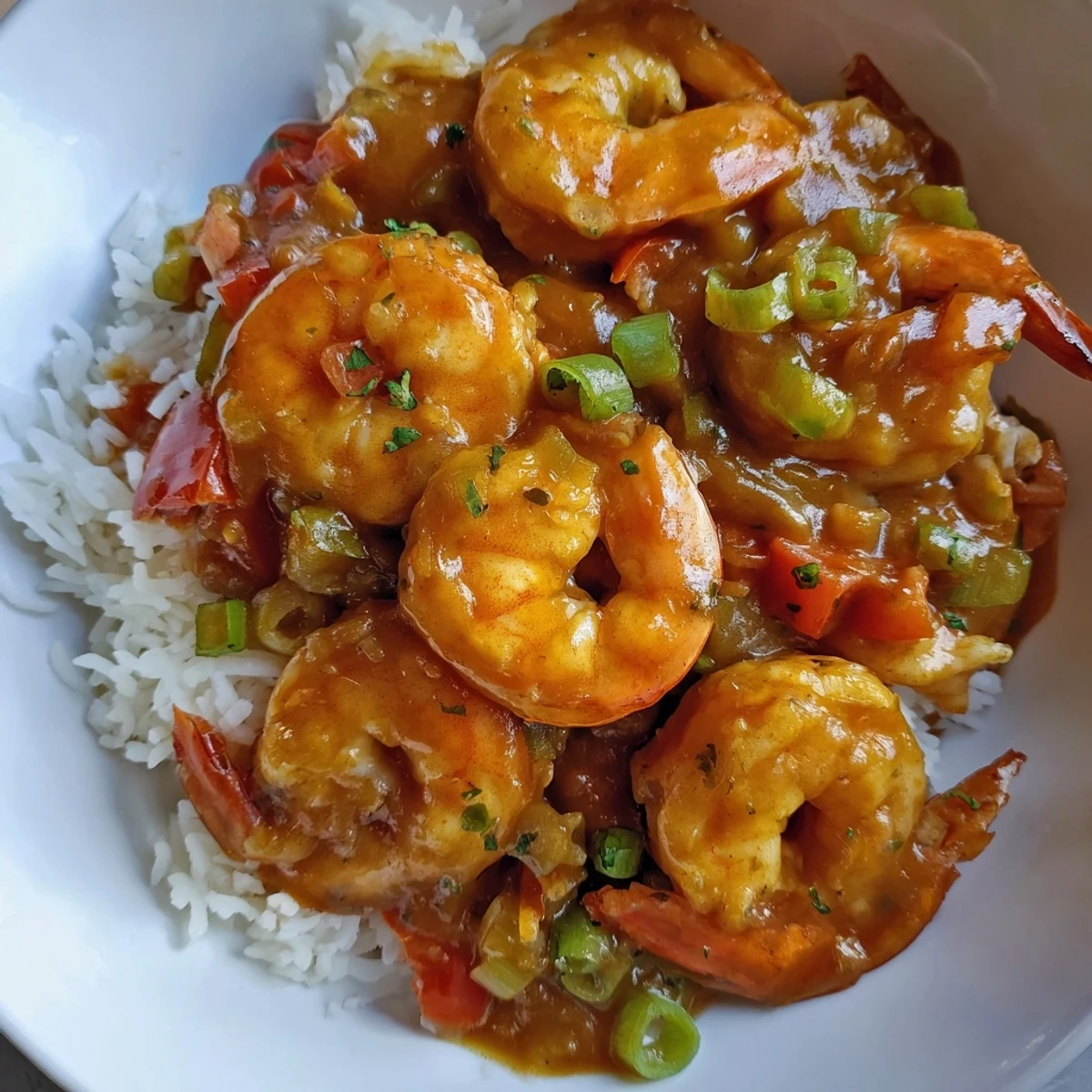
Save This classic Louisiana Creole dish features succulent shrimp simmered in a deeply flavorful roux-based sauce. The rich, velvety base starts with butter and flour cooked to a deep golden brown, then layered with the holy trinity of onion, celery, and bell pepper. Aromatic garlic, diced tomatoes, and traditional Cajun seasonings including thyme, smoked paprika, and cayenne create layers of complex flavor. The shrimp cook quickly in the thickened sauce, staying tender and plump. Serve over steaming white rice to soak up every drop of the spicy, savory sauce. Finished with fresh green onions and parsley, this comforting dish brings authentic Creole flavors to your table in just one hour.
The first time I made étouffée, I nearly burned my roux three times and called my grandmother in a panic. She laughed and told me that good things come to those who stir patiently, preferably with a glass of wine in hand. Now, making this Louisiana classic brings me back to that tiny kitchen with the slightly blackened pot and the most incredible smell filling every corner of the apartment.
Last Mardi Gras, I made a triple batch for friends who had never tried Creole cooking. Watching them go quiet for the first five minutes, then reaching for seconds before anyone else had finished their first serving, told me everything I needed to know about this recipe.
Ingredients
- Shrimp: Fresh Gulf shrimp are ideal, but any large peeled shrimp work beautifully as long as you pat them completely dry before seasoning
- Creole seasoning: This blend is the backbone of the dish and you can adjust the heat level by varying the amount
- The holy trinity: Equal parts onion, celery and bell pepper form the flavor foundation of authentic Creole cooking
- Butter and flour: Making a proper dark roux takes patience but creates that signature silky texture and deep nutty flavor
- Seafood stock: Homemade stock adds incredible depth, but a good quality store bought version works perfectly fine
- Diced tomatoes: Draining them prevents the étouffée from becoming too watery while still adding sweetness and acidity
Instructions
- Season the shrimp:
- Toss the shrimp with Creole seasoning and let them sit while you prepare everything else, which helps the flavors penetrate
- Make the roux:
- Melt butter over medium heat, whisk in flour, and stir constantly until it turns the color of a copper penny, which usually takes 8 to 10 minutes of dedicated attention
- Cook the vegetables:
- Add your onion, celery and bell pepper to the roux and cook until softened and fragrant, stirring frequently to prevent scorching
- Add aromatics and spices:
- Stir in garlic for just one minute, then add tomatoes, bay leaves, thyme, paprika and remaining Creole seasoning
- Create the sauce:
- Pour in the stock slowly while whisking to prevent lumps, then simmer uncovered until thickened and bubbling
- Cook the shrimp:
- Add seasoned shrimp and cook just until they turn pink and curl, which happens quickly so watch closely
- Finish and serve:
- Remove bay leaves, adjust seasoning, and spoon over fluffy white rice topped with fresh green onions and parsley
 Save
Save This recipe became my go to comfort food after a particularly long winter when nothing seemed to warm me up quite like a steaming bowl of shrimp étouffée and good conversation.
Making The Perfect Roux
The roux is everything in this dish, determining both texture and flavor. I use a cast iron skillet because it holds heat evenly and lets me see the color develop clearly. Keep the heat at medium or just below, because high heat will burn the flour before it can properly brown.
Getting The Right Consistency
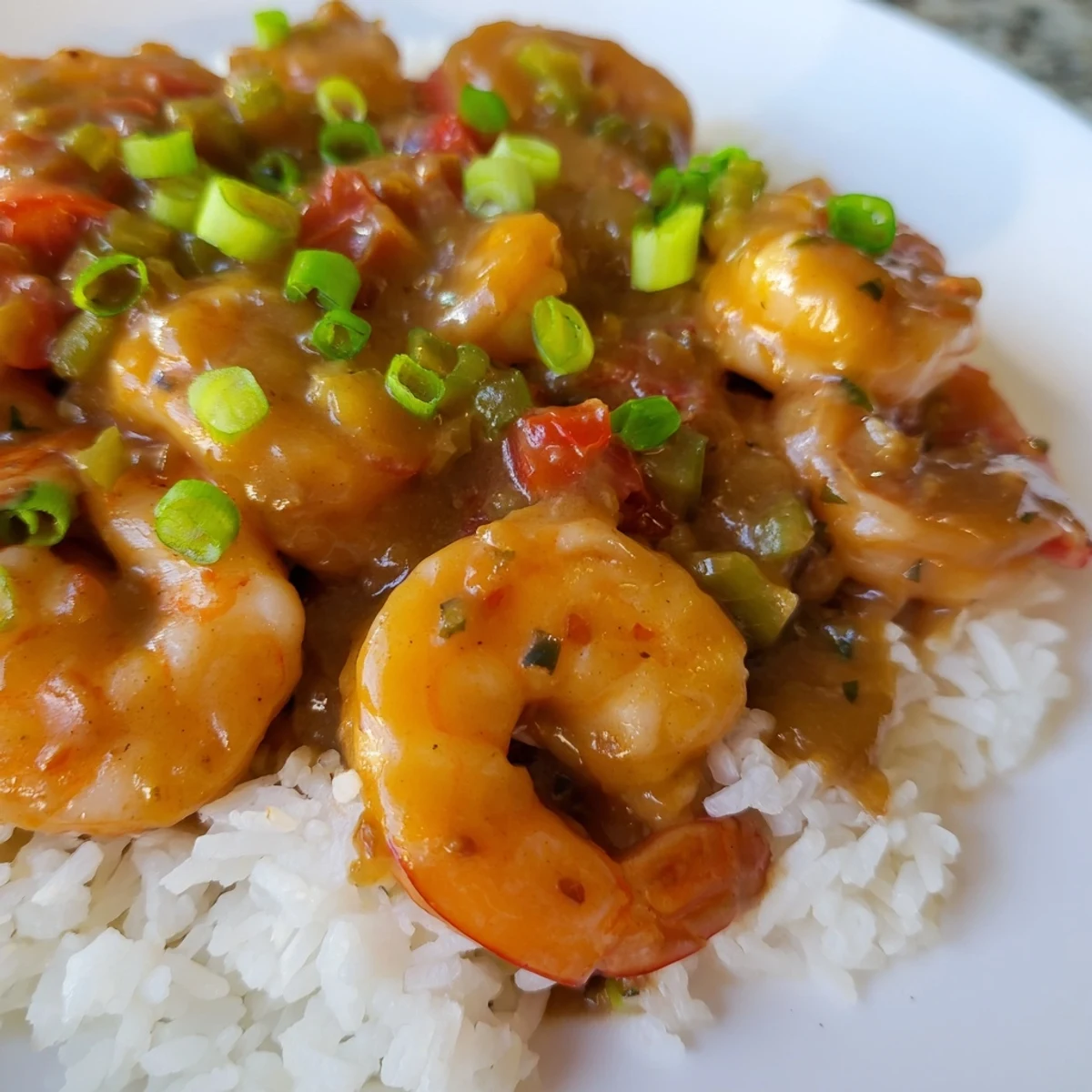
Your étouffée should coat the back of a spoon and leave a clear trail when you run your finger through it. If it is too thick, add stock a tablespoon at a time. Too thin, let it simmer another few minutes.
Make It Ahead
The sauce actually tastes better the next day as the flavors meld together. Make it up to 24 hours in advance, refrigerate, and gently reheat before adding the shrimp, which you should cook just before serving to prevent rubbery texture.
- Cook shrimp separately and fold them in at the end for meal prep
- The roux base freezes beautifully for up to 3 months
- Always reheat slowly over low heat to prevent separating
 Save
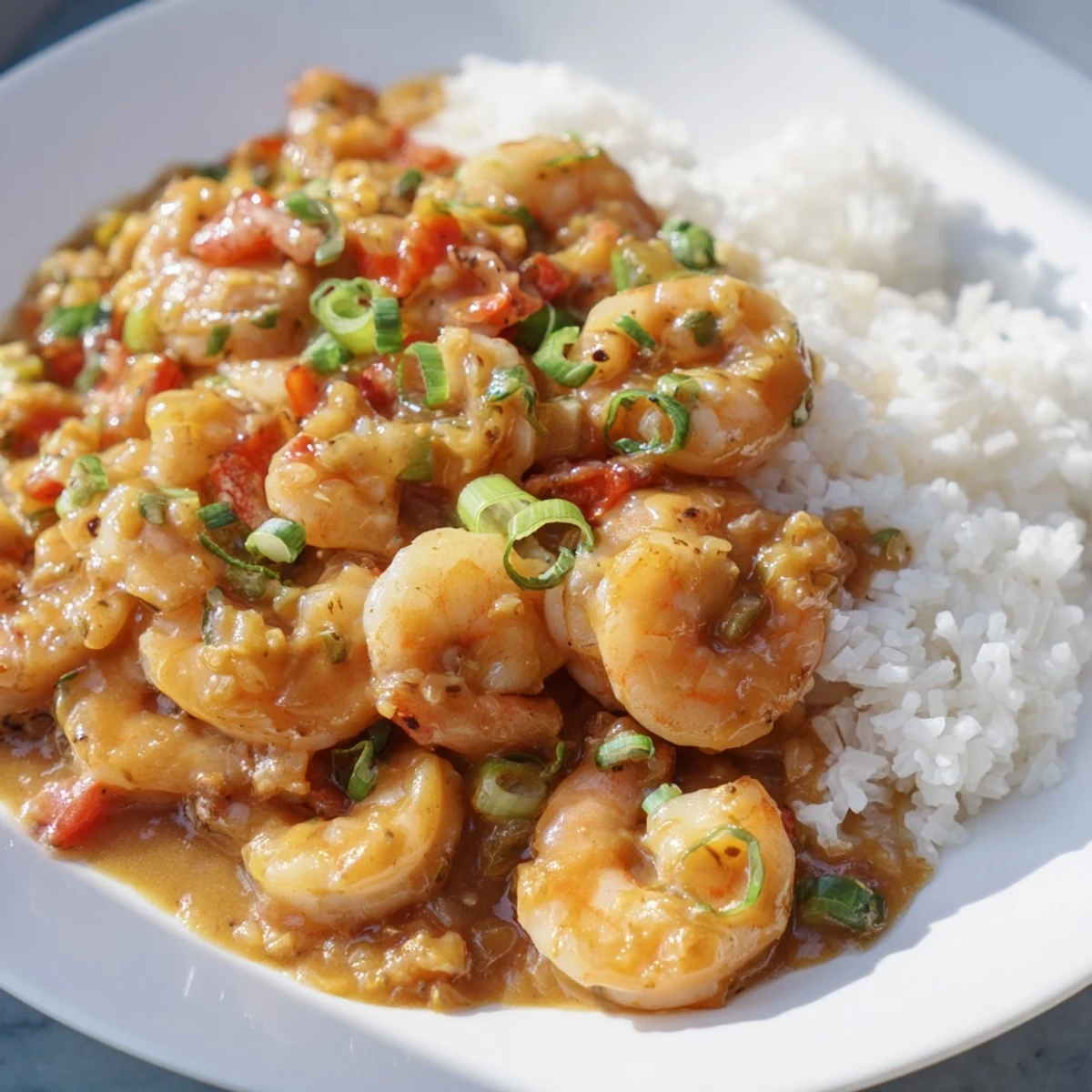
Save There is something magical about a dish that transforms simple ingredients into something extraordinary. I hope this étouffée finds its way into your regular rotation.
Questions & Answers
- → What is the key to a authentic roux?
-
Cook the flour and butter mixture constantly over medium heat for 8-10 minutes until it reaches a deep golden brown color. This slow cooking process develops the nutty flavor and rich color that defines traditional étouffée.
- → Can I make this ahead of time?
-
Yes, prepare the sauce base up to 2 days in advance and refrigerate. Reheat gently and add the shrimp during the final 3-4 minutes of cooking to prevent them from becoming tough.
- → How do I adjust the spice level?
-
Start with half the cayenne pepper and taste before adding more. The Creole seasoning also contributes heat, so adjust gradually. You can always serve hot sauce on the side for those who prefer extra spice.
- → What's the difference between étouffée and gumbo?
-
Étouffée features a thicker, darker roux and typically focuses on one main protein like shrimp, served over rice. Gumbo has a thinner broth with more varied ingredients including okra or filé powder, and often contains multiple proteins and vegetables.
- → Can I substitute the shrimp?
-
Crawfish are the traditional alternative, but lump crab meat or even chicken work well. Adjust cooking time accordingly—crab needs only 2-3 minutes while chicken requires thorough cooking in the sauce.
- → Why is it called the holy trinity?
-
The combination of onion, celery, and green bell pepper forms the aromatic foundation of Cajun and Creole cooking. Named after the religious concept, these three vegetables appear in almost every Louisiana dish, providing essential flavor depth.