
 Save
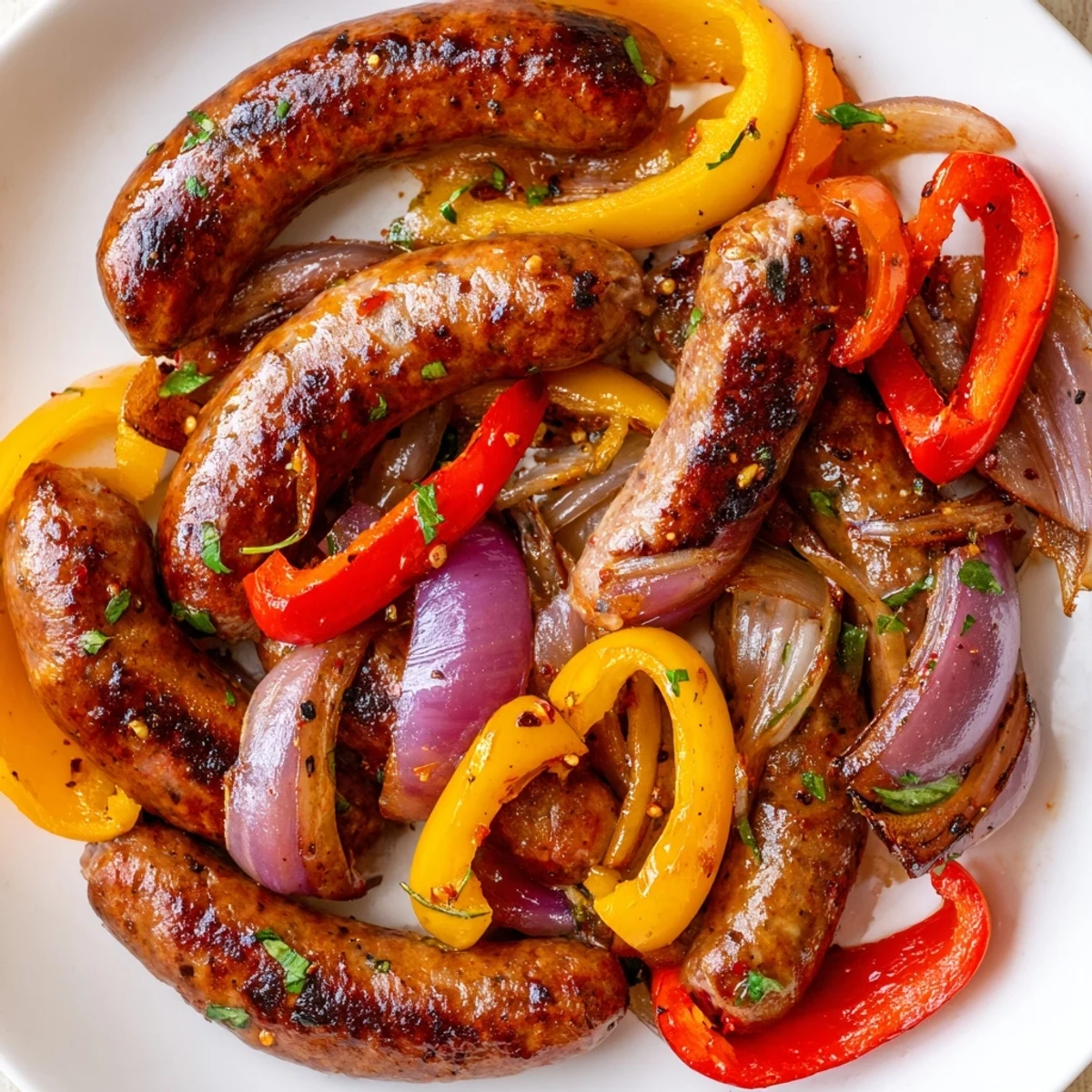
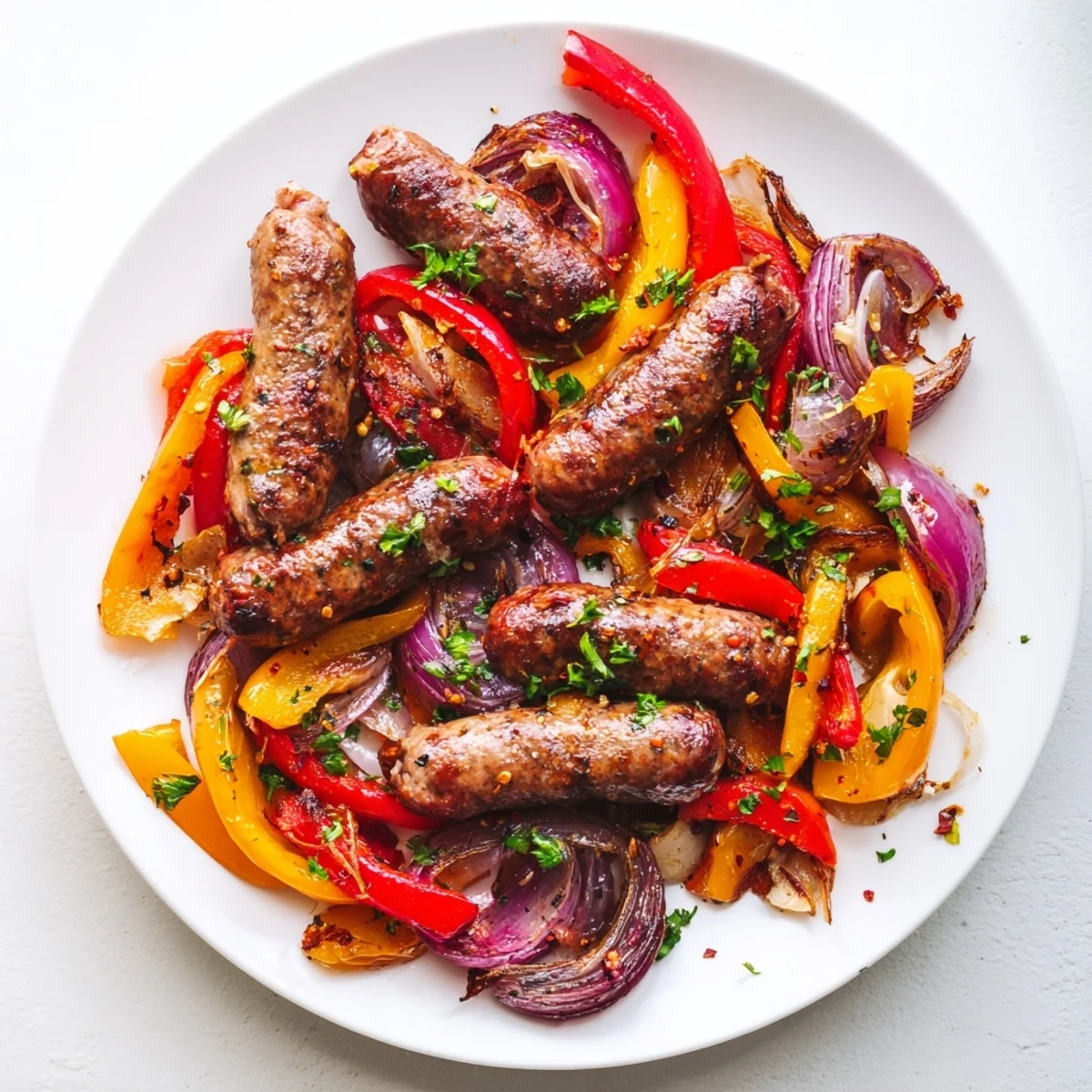
Save This vibrant dish features savory Italian sausages roasted alongside sweet bell peppers, red onions, and fragrant garlic. Coated in olive oil and herbs like oregano and basil, the ingredients caramelize beautifully on a single sheet pan. In just 40 minutes total, you achieve a hearty, gluten-free meal perfect for any dinner table. Optional touches like fresh parsley or a balsamic glaze add extra brightness. Ideal for easy cleanup and maximum flavor, it’s a simple approach to comfort food with a fresh twist.
There's something magical about sliding a sheet pan into the oven and walking away, knowing that in thirty minutes you'll have a complete, stunning meal without the usual weeknight chaos. I discovered this sausage and peppers combination on a Thursday when I had exactly four sausages left in the freezer and a wilting red onion staring me down. No recipe, just instinct and hunger. The smell that fills your kitchen as those peppers soften and the sausages brown is the kind of thing that makes your family materialize in the kitchen asking when dinner's ready.
I remember my sister sitting at my kitchen counter on a random Tuesday, watching me toss vegetables with oil and spices, and she said, "You're making that thing again." It had become such a regular dinner that she could smell it coming from three blocks away. She'd show up, unbidden, right around 6 p.m. on sheet pan nights. That's when I realized this wasn't just easy—it was the kind of food people actually want to eat, the kind that brings people home.
Ingredients
- Italian sausages (pork or chicken, about 400 g): Choose whatever heat level makes you happy—I swing between mild when I'm feeding mixed crowds and spicy when it's just me and my need for a kick. Chicken sausages are lighter but still deeply satisfying.
- Bell peppers (1 red, 1 yellow), seeded and sliced: The color isn't just pretty—red and yellow peppers are naturally sweeter than green ones, and they caramelize gorgeously under high heat. I slice them thick enough that they don't disappear into the pan.
- Red onion, sliced into wedges: Red onions have a gentler sulfur content than yellow ones, so they taste almost jammy when roasted instead of sharp. The wedges hold together better than thin slices.
- Garlic, minced (2 cloves): Don't skip this—minced garlic toasts directly onto the pan and becomes almost candy-like, distributing flavor throughout every bite.
- Olive oil (2 tbsp): This is your medium for flavor transfer, so use something you actually like. It doesn't have to be expensive, just genuine.
- Dried oregano and basil (1 tsp each): These are the Italian backbone of the dish. Dried herbs work better here than fresh because they meld into the roasted vegetables rather than burn.
- Crushed red pepper flakes (½ tsp, optional): A whisper of heat that brightens everything without taking over—I always include it because it reminds you that food should have dimension.
- Kosher salt and black pepper (¾ tsp and ½ tsp): Salt is your volume control, pepper your finish. Taste as you go and adjust without apology.
Instructions
- Heat your oven and prep your stage:
- Turn the oven to 425°F and line a large sheet pan with parchment paper or foil—this choice matters more than you'd think, because foil gives you slightly more browning while parchment keeps things from sticking without adding any complexity. Either way, you're setting yourself up for easy cleanup and even cooking.
- Dress the vegetables with intention:
- Throw your peppers, onion, and garlic into a bowl and pour the olive oil over them like you mean it. Sprinkle the oregano, basil, red pepper flakes, salt, and pepper directly over top, then toss everything until each piece glistens and every vegetable is wearing the seasonings evenly.
- Arrange everything on the pan:
- Spread the vegetables in a single layer across your sheet pan, creating little valleys and high spots where heat can work its magic. Nestle the sausages on top—they should be cradled by the vegetables, not buried under them, so they can brown on the sides touching the pan.
- Roast until everything is golden:
- Slide the pan into your oven and set a timer for 25 minutes. At the halfway mark, flip each sausage and give the vegetables a stir—you're looking for the edges of the peppers and onions to caramelize and darken slightly, and the sausages to develop a deep brown crust. They're done when a meat thermometer reads 160°F in the thickest part, though honestly, if they're browned and the vegetables are tender, you're there.
- Finish and serve:
- Pull the pan from the oven when everything is hot and golden, scatter fresh parsley over top if you have it, and serve immediately with crusty bread to soak up the juices or over rice if you want something to lean into. The magic happens in the first few minutes when everything is still steaming.
 Save
Save I learned something watching my nephew watch this dish come together—he was skeptical about vegetables until he tasted one of these roasted peppers, still warm and almost candy-sweet. He went back for seconds of just the vegetables, and I realized that this recipe isn't about compromise or sneaking nutrition in. It's about making each ingredient shine so brightly that there's nothing to hide from.
Why High Heat Changes Everything
The 425-degree oven isn't arbitrary—it's the temperature where vegetables start to caramelize instead of just steam. Lower temperatures would leave you with soft, pale peppers that taste like sadness. At this heat, the natural sugars in the peppers and onion actually brown and concentrate, creating this complex sweetness that can't happen any other way. It's the difference between cooked and transformed.
Building Your Sausage Collection
Sausage quality matters more than you might think, but not in an expensive or pretentious way. A good butcher counter or even a well-stocked grocery store will let you try different types without committing to a full package. I rotate between Italian pork (juicy and rich), chicken (bright and lean), and turkey (unexpectedly flavorful) depending on my mood and what my body needs that week. Taste a tiny piece before cooking if you're unsure—you deserve to know what you're bringing into your kitchen.
The Second Night and Beyond
Cold leftovers are honestly better than warm ones—the flavors meld and deepen overnight, and the sausages stay juicy instead of drying out from reheating. My favorite way to eat them the next day is stuffed into crusty bread with a little extra hot sauce and maybe some fresh tomatoes if I have them. These also freeze beautifully, either as a complete dish to reheat gently, or deconstructed so you can mix and match throughout the week.
- Slice the cold sausages and toss them with pasta and the roasted vegetables for a completely different meal.
- Break up the peppers and onions and use them as a base for frittatas or shakshuka the next morning.
- Pack the whole thing into a container and grab it for lunch when you need something that tastes like someone cared.
 Save
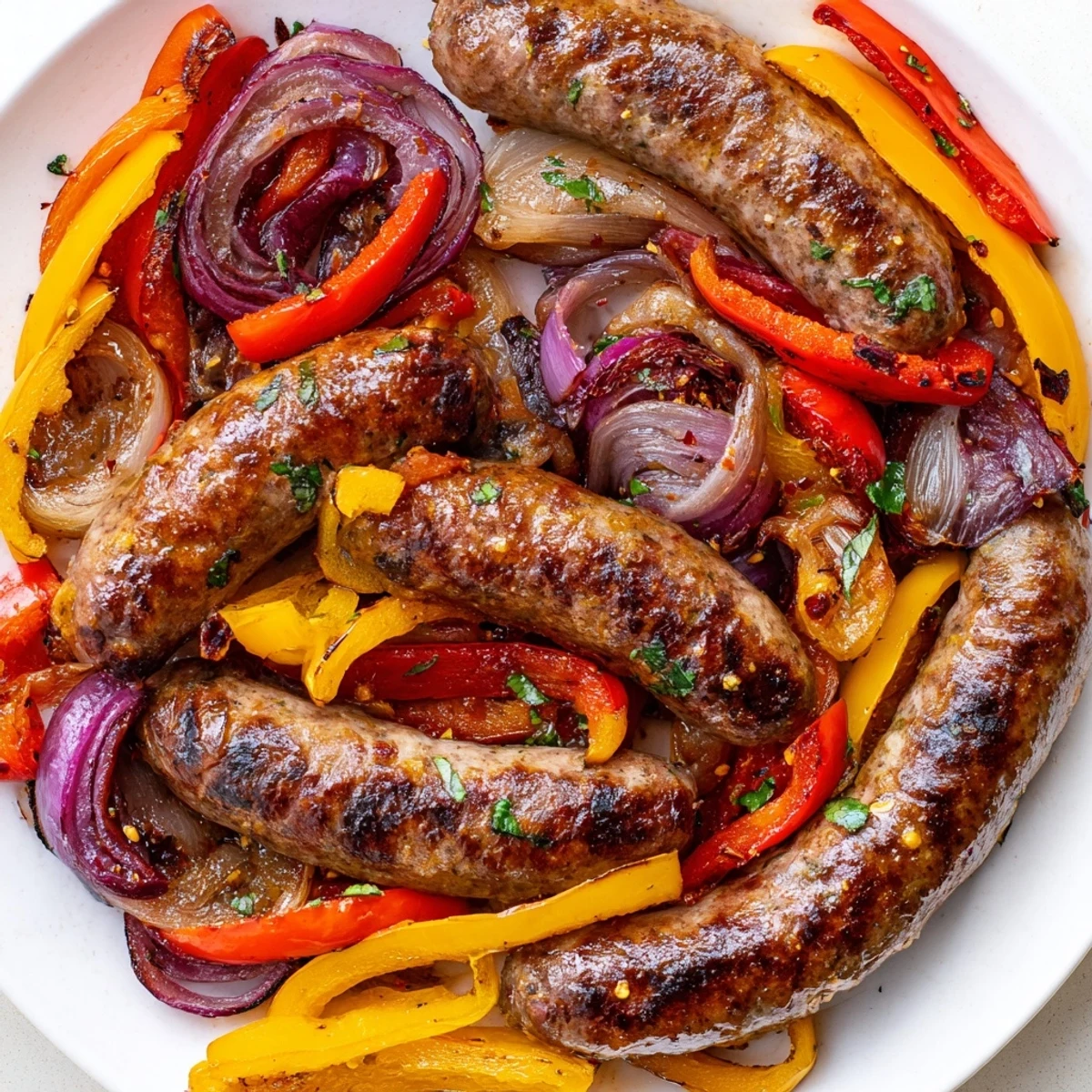
Save This is the meal I make when I want to feel like I've cooked something meaningful without the stress. It sits at that perfect intersection of effort and reward, and it never fails to deliver something worth eating.
Questions & Answers
- → What sausages work best for this dish?
-
Italian pork or chicken sausages provide great flavor. You can also try turkey or spicy varieties depending on your preference.
- → Can I add other vegetables?
-
Yes, sliced zucchini or cherry tomatoes make excellent additions and enhance the variety of flavors and textures.
- → How do I know when the sausages are cooked?
-
They should reach an internal temperature of 160°F (71°C) and have a browned, crispy exterior.
- → What sides pair well with this dish?
-
Crusty bread or cooked rice complement the sausages and peppers nicely, soaking up the delicious juices.
- → Can this be made gluten-free?
-
Yes, by choosing gluten-free sausages and ensuring no cross-contamination, the meal can be enjoyed gluten-free.