
 Save
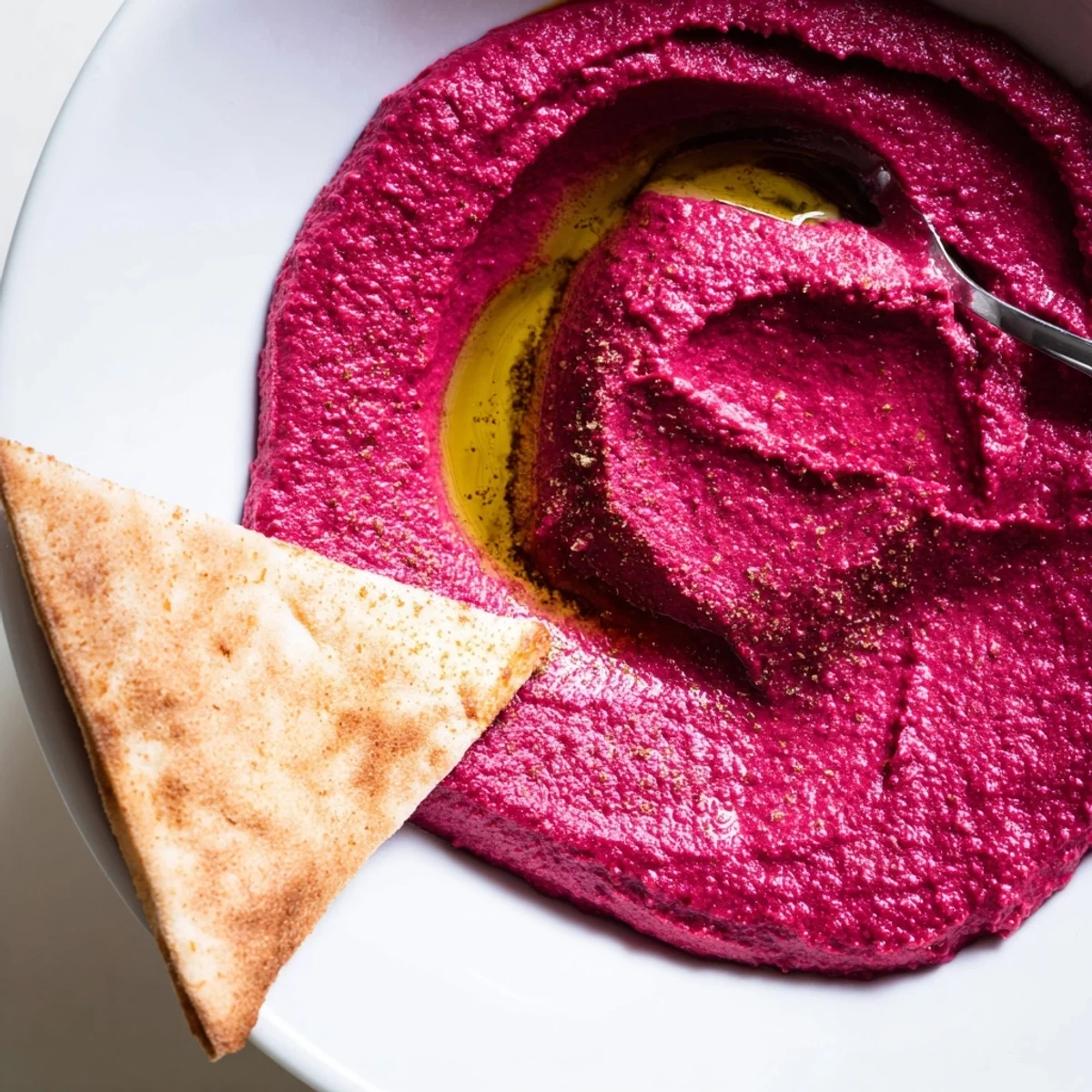
Save This dish features roasted beets blended with chickpeas, tahini, and spices to create a smooth, colorful dip. The pita chips are toasted with olive oil and a hint of smoked paprika for added crunch and flavor. Ideal as an appetizer or snack, it offers a vibrant Mediterranean-inspired taste that is both vegan and gluten-free (with appropriate pita). Preparation involves roasting beets until tender, blending ingredients for a creamy texture, and baking pita wedges to crispy perfection.
There's something magical about the moment a pale pink beet transforms into something deeply crimson in the oven, and I discovered that magic entirely by accident one afternoon when I was trying to use up vegetables before they wilted. The result was so vibrant and unexpectedly silky that it became the dish I now reach for whenever I need something that looks as good as it tastes. This roasted beet hummus with toasted pita chips has become my go-to when friends drop by, mostly because it feels fancy but actually asks very little of you.
I made this for my neighbor's dinner party last spring, and watching people's faces light up when they dipped a warm chip into that pink hummus and tasted how much more interesting it was than regular hummus—that's when I knew this had staying power. She asked for the recipe three times before she left, once right there at the table, once while helping me clear plates, and once more via text the next day because she'd already made it at home.
Ingredients
- 1 medium beet, trimmed and scrubbed: Choose one that feels firm and heavy for its size, which means it's fresh and will roast into something creamy and sweet.
- 1 (15 oz/425 g) can chickpeas, drained and rinsed: Don't skip the rinsing step—it removes that starchy liquid that can make hummus gluey instead of silky.
- 3 tbsp tahini: This is the secret ingredient that makes hummus feel luxurious; it adds body and a subtle nuttiness that transforms simple chickpeas.
- 2 tbsp lemon juice (freshly squeezed): Fresh is genuinely different here—bottled juice can taste thin by comparison, and you only need two tablespoons.
- 1 small garlic clove, minced: Start with just one; you can always add more, but you can't take garlic out once it's blended.
- 2 tbsp olive oil (plus more for roasting): Good olive oil matters because you can taste it, and the extra for roasting the beet ensures it doesn't dry out.
- 1/2 tsp ground cumin: This warm spice is the quiet backbone that ties the earthiness of beets and chickpeas together.
- 1/2 tsp sea salt (more to taste): Taste as you go because salt is what makes all the other flavors sing.
- 2–3 tbsp cold water: Add it gradually while blending so you can control the texture—sometimes you need less, sometimes more, depending on your chickpeas.
- 3 large pita breads (or gluten-free pita, if desired): Any pita works, but thicker ones hold up better to oil and toasting without becoming brittle.
- 2 tbsp olive oil (for pita chips): A light brushing is all you need; too much oil and they become greasy instead of crispy.
- 1/2 tsp sea salt: Sea salt granules are larger than table salt and give chips a more satisfying texture and flavor.
- 1/2 tsp smoked paprika (optional): This adds a subtle smokiness that makes people ask what's in your chips—it's entirely optional but worth keeping on hand.
Instructions
- Preheat and prep the oven:
- Set your oven to 400°F (200°C) so it's ready when you are.
- Roast the beet until it's completely tender:
- Wrap your beet loosely in foil, drizzle it with olive oil, and place it on a baking sheet to roast for 40–45 minutes—you'll know it's ready when a fork slides through without resistance. Let it cool enough to handle, then the skin will slip right off under cool running water, which is oddly satisfying.
- Turn pita into crispy chips:
- While the beet is roasting, cut your pita breads into triangles, brush them lightly with olive oil, sprinkle with salt and smoked paprika if you're using it, and arrange them on a baking sheet. Toast for 8–10 minutes, flipping halfway through, until they're golden and feel crisp to the touch—watch them closely at the end because they can go from perfect to overdone in seconds.
- Blend everything into creamy hummus:
- In a food processor, combine your cooled roasted beet, drained chickpeas, tahini, lemon juice, minced garlic, olive oil, cumin, and salt. Blend until smooth, then add cold water one tablespoon at a time while the processor runs, tasting as you go until it reaches that perfect creamy consistency where it moves like a cloud.
- Finish and serve:
- Scoop your hummus into a serving bowl, drizzle the top with a little extra olive oil for richness and visual appeal, and set it out alongside your cooled pita chips.
 Save
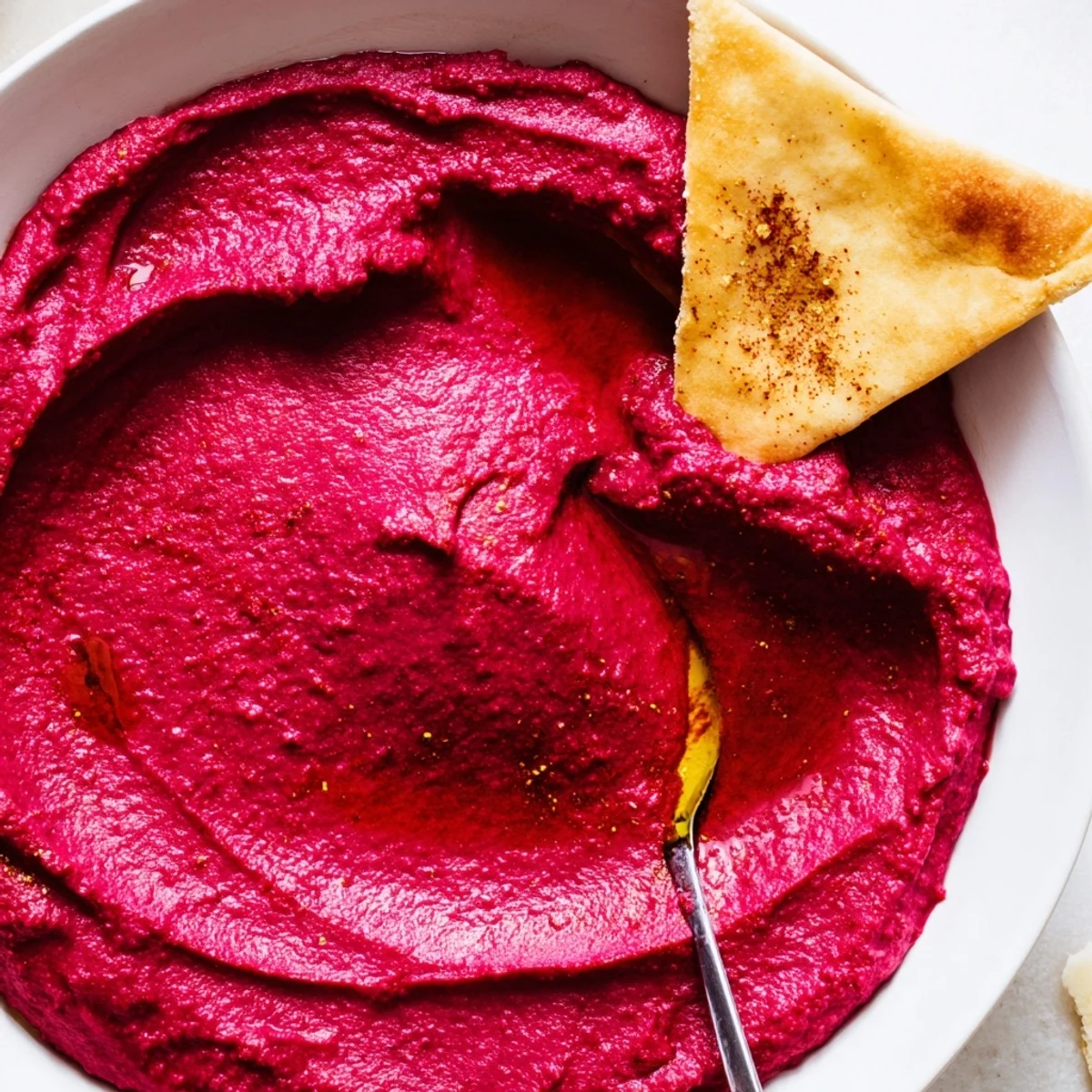
Save The first time my daughter helped me make this, she was mesmerized by how the roasted beet turned her hands pink and how the food processor sounded like something from a science lab. Now whenever I mention hummus, she asks if we're making the pink kind, which tells me everything I need to know about whether this recipe stuck around.
The Secret to Silky Hummus
Silky hummus isn't about expensive ingredients or special techniques—it's about patience and understanding that tahini is doing the real work. The tahini acts like an emulsifier, which just means it helps all the ingredients blend together smoothly instead of staying separate and grainy. Most people underestimate how much blending matters too; a full minute in the food processor makes a noticeable difference compared to just a quick pulse.
Why Roasted Beets Are Worth the Wait
Raw beets would give you a harsh, earthy flavor that overpowers the hummus, but roasting transforms them into something concentrated and almost honey-like in sweetness. The long, gentle heat breaks down the beet's cell walls, which is why roasted beets are creamy enough to blend seamlessly into hummus, creating a texture that canned beets could never achieve. The color deepens too, giving you that dramatic pink that makes people remember the dish weeks later.
Beyond Just Chips
While pita chips are perfect for this hummus, I've discovered that it works beautifully with crisp vegetables, torn pieces of warm naan, or even spread onto a grain bowl as a creamy base. The hummus is tangy enough that it cuts through richer foods, and sweet enough that it plays well with simple, fresh elements. It's one of those recipes that actually improves your cooking flexibility because you'll start seeing it everywhere you can use it.
- Fresh vegetables like cucumber slices, bell pepper strips, and cherry tomatoes make excellent dippers if you're going for a lighter spread.
- Leftover hummus keeps beautifully in the refrigerator for up to four days, making it perfect for planned snacking or unexpected guests.
- A pinch of cayenne pepper or a sprinkle of toasted sesame seeds on top transforms it from appetizer into something that feels completely restaurant-quality.
 Save
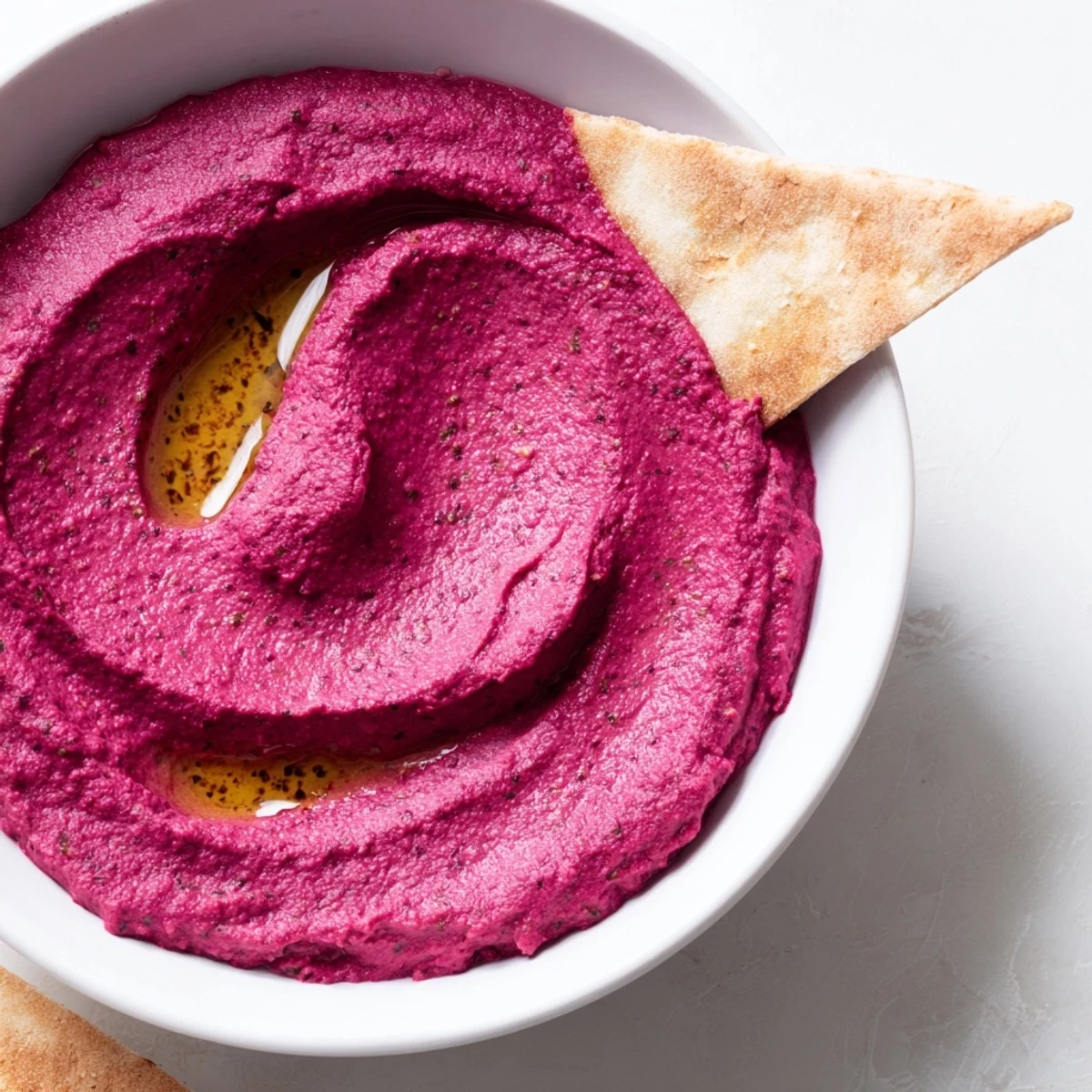
Save This recipe has quietly become one of those dishes that makes entertaining feel effortless, mostly because it looks impressive but genuinely takes less than an hour start to finish. The best part is that people taste it and ask for the recipe, not realizing how simple the whole process actually was.
Questions & Answers
- → How do I roast beets perfectly?
-
Wrap beets in foil, drizzle with olive oil, and roast at 400°F (200°C) for 40–45 minutes until fork-tender. Allow to cool before peeling.
- → Can I use gluten-free pita for chips?
-
Yes, gluten-free pita can be toasted similarly for a crisp alternative suitable for gluten-sensitive diets.
- → What gives the hummus its creamy texture?
-
Tahini combined with well-blended chickpeas, olive oil, and cold water creates a smooth, creamy consistency.
- → How do I make the pita chips extra flavorful?
-
Brush pita triangles with olive oil and sprinkle with sea salt and smoked paprika before toasting for smoky, savory notes.
- → How should leftovers be stored?
-
Store leftovers in an airtight container in the refrigerator for up to four days to maintain freshness.