
 Save
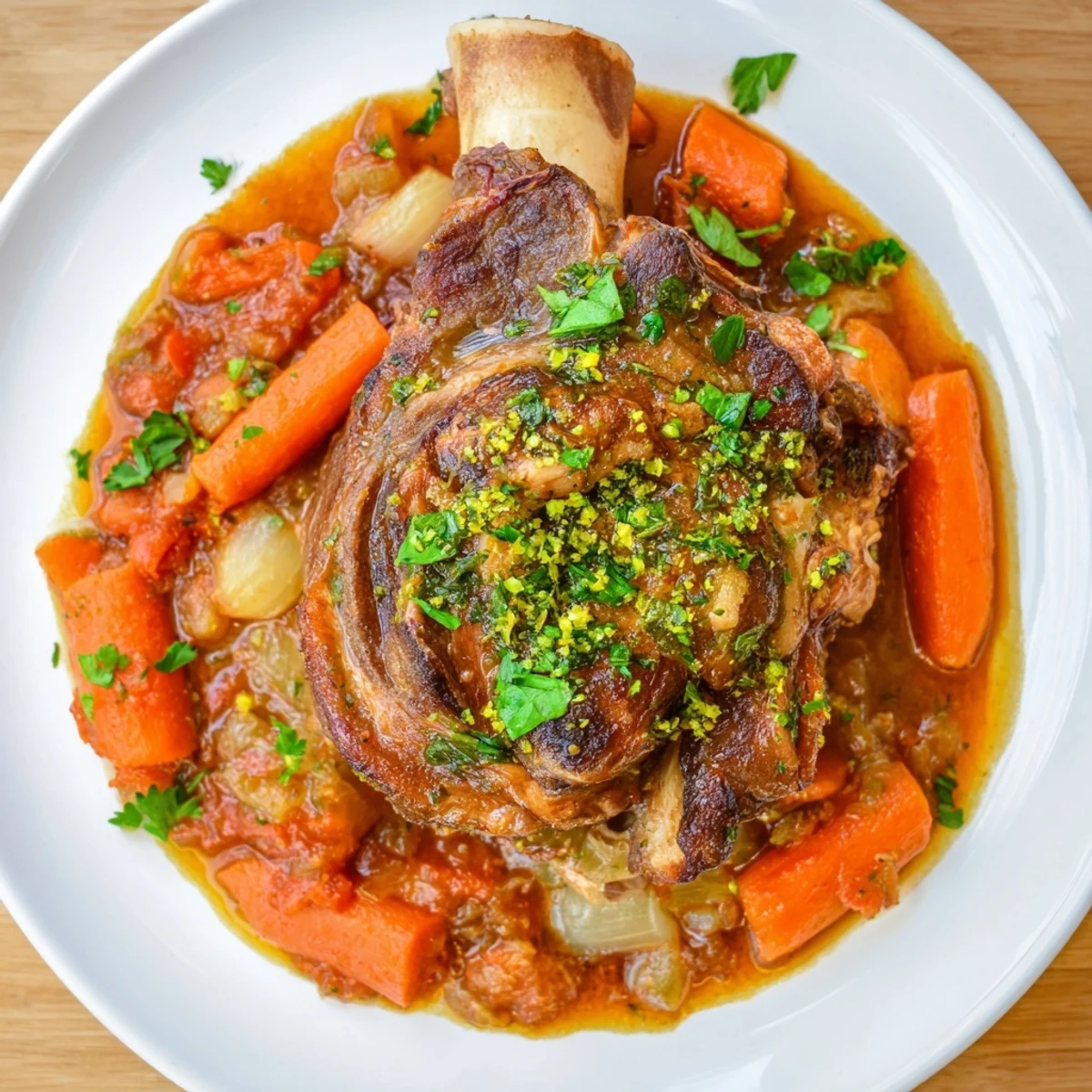
Save This classic Italian braised veal dish features thick-cut shanks browned to perfection, then slowly simmered for over two hours in a aromatic sauce of white wine, San Marzano tomatoes, and chicken stock. The meat becomes incredibly tender, nearly falling off the bone, while developing deep, rich flavors from the medley of carrots, celery, onions, garlic, and herbs like fresh thyme and bay leaves.
The traditional preparation involves dredging the veal in seasoned flour, searing until golden, then building a flavorful base with mirepoix vegetables before adding the liquids and braising in the oven. A bright gremolata garnish of parsley, lemon zest, and garlic adds a fresh, zesty finish that cuts through the richness.
Serve alongside risotto alla Milanese, creamy polenta, or mashed potatoes to soak up the luscious sauce. The dish improves with time, making it excellent for meal prep or entertaining.
The first time I made osso buco, I was hosting a dinner party and honestly nervous about the three-hour cook time. My tiny apartment kitchen filled with the most incredible aroma, and when my friends arrived, they literally stood at the oven door inhaling deeply. Now it is my go-to for special occasions because it makes everyone feel like royalty without requiring constant attention.
Last winter I made this for my parents on a snowy Sunday, and my dad actually went quiet for a full minute after his first bite. The way the richness of the braised meat mingles with that bright, herbaceous gremolata is absolutely magical. My mom still asks me when I am making it again every time we talk on the phone.
Ingredients
- Veal shanks: These are the star of the show, so buy the best quality you can find because they will become meltingly tender and deeply flavorful
- Flour mixture: A light coating helps create that gorgeous golden crust and thickens your sauce naturally as it braises
- Olive oil and butter: This combination gives you the high smoke point you need for searing plus that incomparable buttery richness
- Aromatics: The classic mirepoix of onion, carrots, and celery builds the flavor foundation that will develop over hours
- White wine: Dry and crisp cuts through the richness while adding acidity to balance the dish
- San Marzano tomatoes: These sweet, low-acid tomatoes are essential for authentic Italian flavor and break down beautifully
- Chicken stock: Use homemade if you have it because the quality really shows in the finished sauce
- Thyme and bay leaves: These woody herbs stand up to long cooking without turning bitter
- Lemon zest: Brightens the whole dish and cuts through all that rich, slow-cooked goodness
- Fresh parsley: Adds a fresh, grassy finish that makes everything taste alive
- Gremolata: This zesty garnish of parsley, garlic, and lemon is non-negotiable for the real Italian experience
Instructions
- Get everything ready:
- Preheat your oven to 325°F and pat those veal shanks completely dry with paper towels because moisture is the enemy of a good sear.
- Dredge the meat:
- Mix flour, salt, and pepper in a shallow dish then lightly coat each shank, shaking off any excess so you do not end up with a cloudy sauce.
- Sear to perfection:
- Heat olive oil and butter in a large Dutch oven over medium-high heat then brown the shanks on all sides for about 3 to 4 minutes per side until they are golden and gorgeous.
- Build the base:
- Add onion, carrots, and celery to the pot and cook until softened about 8 minutes, then add garlic for just 1 minute until fragrant.
- Deglaze the pot:
- Pour in the white wine and use a wooden spoon to scrape up all those browned bits from the bottom, then let it simmer for 2 to 3 minutes until slightly reduced.
- Create the braising liquid:
- Add the crushed tomatoes with their juices, chicken stock, thyme, bay leaves, and lemon zest, stirring everything together.
- Nestle and simmer:
- Return the veal shanks to the pot, tucking them into the sauce, then bring everything to a gentle simmer on the stove.
- Slow cook to tenderness:
- Cover the pot and transfer to the oven for 2 to 2.5 hours until the meat is fork-tender and practically falling off the bone.
- Finish and serve:
- Remove the bay leaves, skim any excess fat from the surface, and if you want to be traditional, sprinkle with gremolata and fresh parsley before bringing it to the table.
 Save
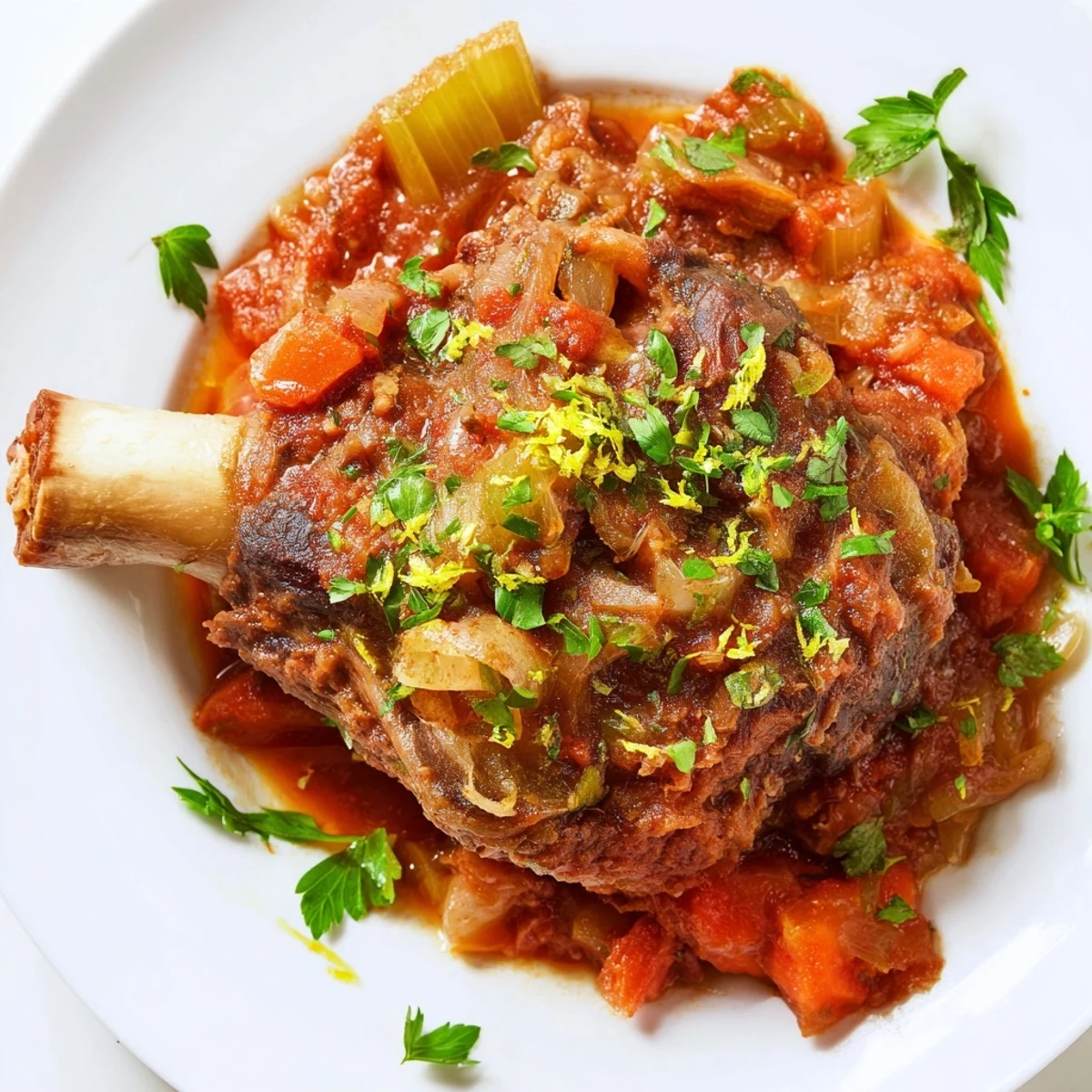
Save This dish transformed a casual Tuesday dinner into something my friends still talk about months later. There is something so special about serving food that took hours of gentle care, it makes everyone slow down and really savor each bite together.
Choosing the Right Wine
I learned through experience that a cheap, overly sweet white wine will make your sauce taste off. A dry Pinot Grigio or Sauvignon Blanc works beautifully, and honestly, use something you would actually drink because the flavor concentrates during cooking.
Making It Ahead
The best thing about osso buco is that it tastes even better made a day ahead, which I discovered accidentally when I cooked it the night before a party. Let it cool completely then refrigerate, and the next day you can simply scrape off the solidified fat before reheating gently.
Serving Suggestions
Traditional risotto alla Milanese is divine but creamy polenta or buttery mashed potatoes soak up that incredible sauce just as beautifully. I have also served it over crusty bread when I want something simpler, and honestly, nobody complains.
- Make sure to spoon plenty of sauce over each serving
- Pass extra gremolata at the table for those who love brightness
- A simple green salad with acidic dressing balances all the richness perfectly
 Save
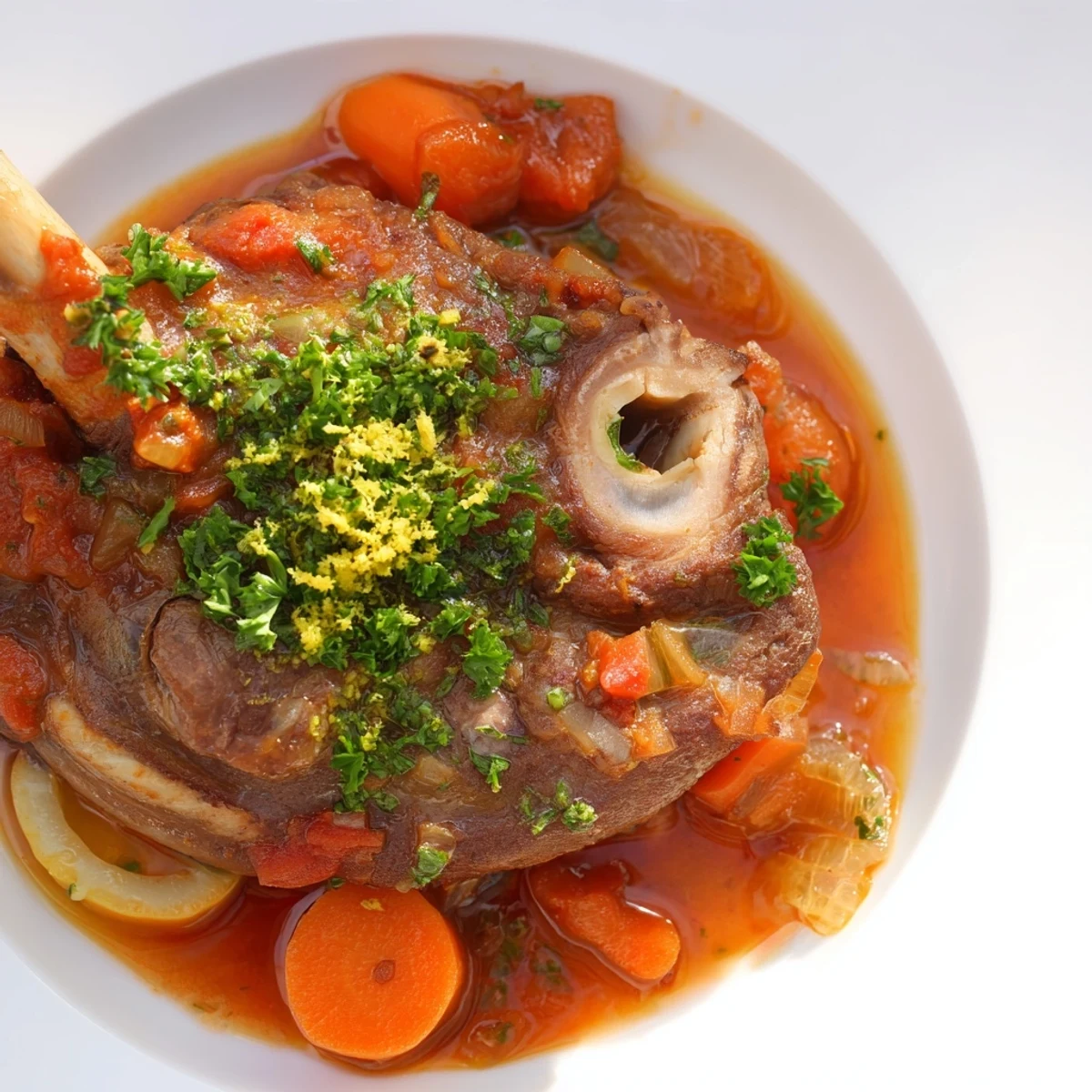
Save There is nothing quite like the smell of osso buco filling your home on a slow weekend. I hope this recipe becomes one of those special dishes you turn to again and again.
Questions & Answers
- → What cut of meat works best for osso buco?
-
Traditional osso buco uses veal shanks cut about 2 inches thick, which contain marrow-rich bones that add incredible depth and body to the sauce. The connective tissue breaks down during braising, creating tender, succulent meat.
- → Can I substitute beef shanks for veal?
-
Absolutely. Beef shanks work well as a substitute, though they'll have a slightly stronger, beefier flavor profile. They may require a bit longer braising time to achieve the same fork-tender consistency.
- → What should I serve with osso buco?
-
Risotto alla Milanese is the classic pairing, offering creamy saffron-infused rice that complements the rich sauce. Polenta, mashed potatoes, or crusty bread also work beautifully to soak up the flavorful braising liquid.
- → How do I make this gluten-free?
-
Simply replace the all-purpose flour with a gluten-free flour blend for dredging, or skip the flour coating entirely. The thickening power isn't essential since the sauce naturally reduces and concentrates during braising.
- → Can osso buco be made ahead?
-
This dish actually improves when made 1-2 days ahead. The flavors meld and deepen, and you can easily remove any solidified fat from the surface before reheating. Reheat gently on the stove or in a 325°F oven until warmed through.
- → What is gremolata and why is it used?
-
Gremolata is a bright Italian condiment made from chopped fresh parsley, minced garlic, and lemon zest. Sprinkled over the finished dish, it adds a fresh, aromatic contrast that cuts through the richness of the braised meat and sauce.