
 Save
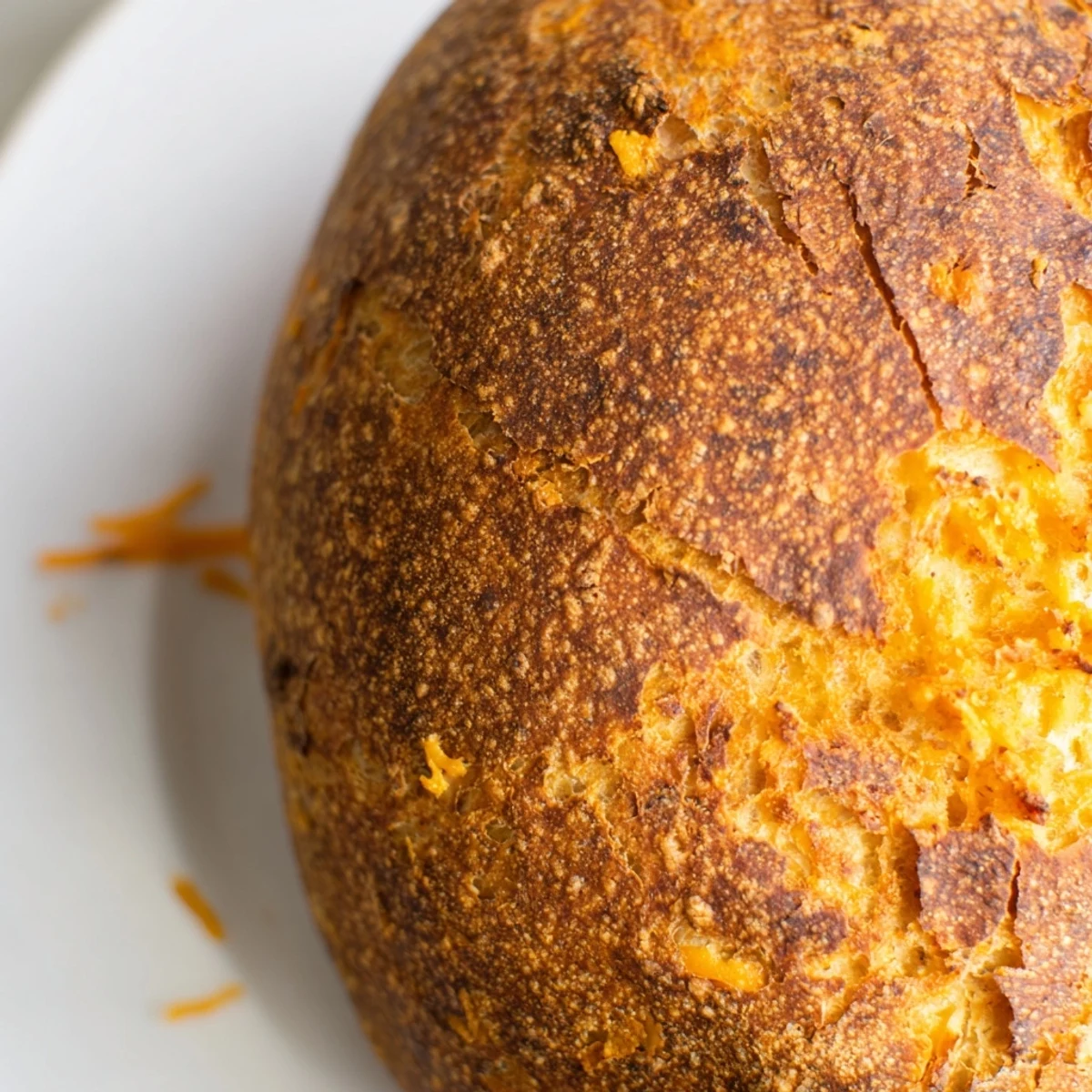
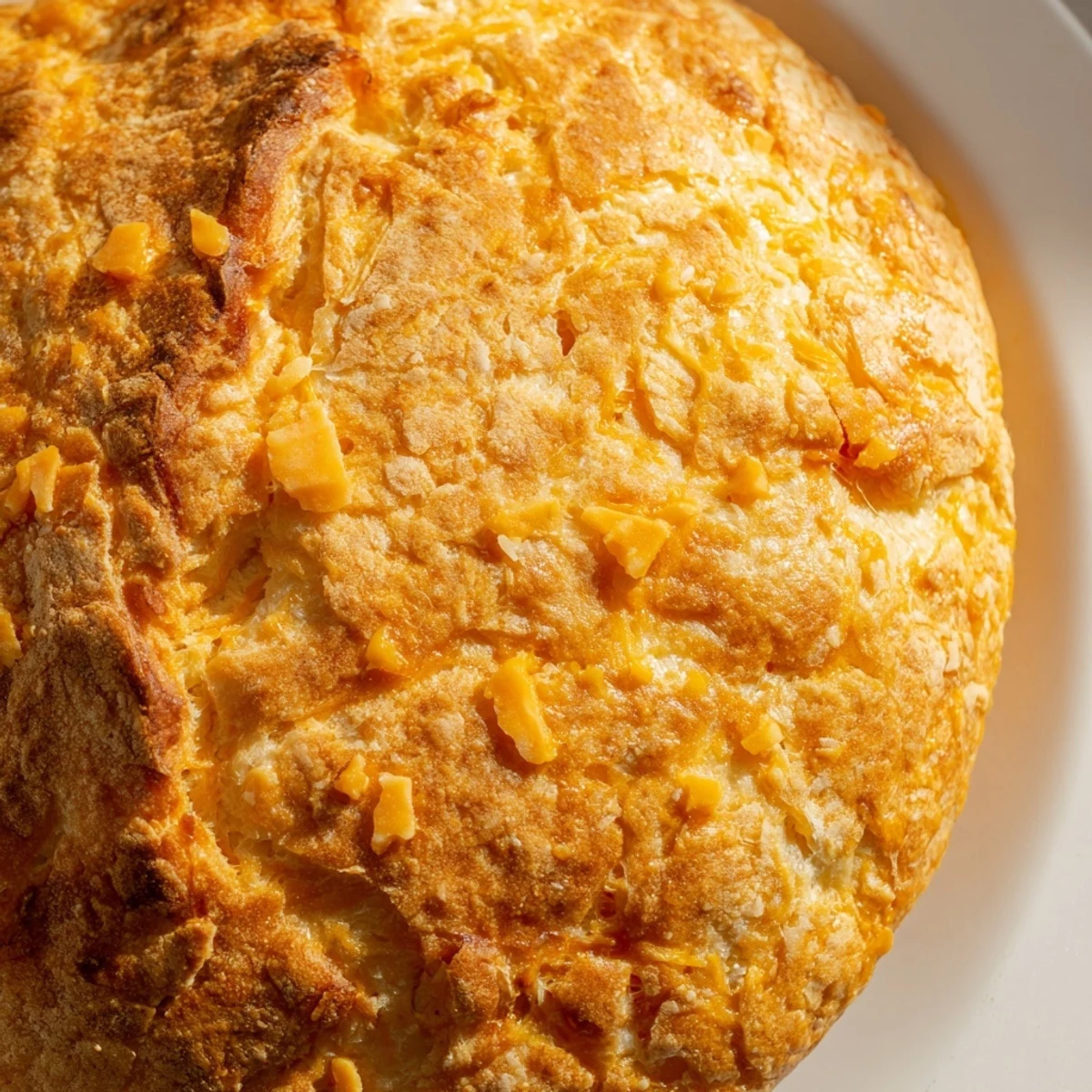
Save This artisan-style bread delivers all the flavor of a traditional bakery loaf with minimal effort. The dough comes together in minutes—just stir flour, yeast, salt, and grated sharp cheddar with warm water, then let time do the work. A 3-4 hour rise develops deep flavor and airy texture, while baking in a preheated Dutch oven creates that signature crackling crust. The result is a golden, cheesy masterpiece with a tender interior speckled throughout with savory cheddar. Perfect alongside hearty soups, toasted for breakfast, or sliced for sandwiches.
Last winter I discovered this recipe during a week when I barely wanted to leave the house, let alone spend hours kneading dough. The first time I pulled that golden Dutch oven lid off, the smell of melting cheddar filled my entire kitchen and I knew I'd never go back to store-bought bread again. My roommate walked in from work and immediately asked what bakery I'd visited, which was the best compliment I could have hoped for.
I made this bread for a sick friend who couldn't handle much beyond soup and toast, and she texted me the next day saying it was the only thing that actually tasted good. Something about the sharp cheddar cutting through the simplicity of the bread made it feel comforting without being overwhelming. Now it's my go-to whenever someone needs a little pick-me-up.
Ingredients
- All-purpose flour: Provides the structure for that beautiful rise, though bread flour will give you an even chewier crumb if you have it
- Salt: Essential for flavor, so don't be tempted to reduce it even with the salty cheese
- Instant yeast: Works faster than active dry and doesn't need proofing, perfect for this low-effort approach
- Sharp cheddar cheese: The sharpness matters here because mild cheese gets lost in the bread, and freshly grated melts better than pre-shredded
- Lukewarm water: Should feel like a comfortable bath temperature, about 100°F if you're using a thermometer
Instructions
- Whisk the dry ingredients together:
- Take your time getting the flour, salt, and yeast thoroughly combined so everything distributes evenly
- Add the cheese:
- Toss the grated cheddar through the dry mixture before adding any water, which keeps it from clumping together
- Mix in the water:
- The dough will look terrifyingly shaggy and sticky, but trust me, this is exactly how it's supposed to look
- Let it rise:
- Cover the bowl and walk away for 3 to 4 hours until bubbles appear on the surface and it's noticeably larger
- Preheat your Dutch oven:
- Put your heavy pot in the oven at 450°F for at least 30 minutes because that preheated vessel is what creates the crust
- Shape the dough:
- Turn the risen dough onto a floured surface, gently fold the edges toward the center to form a round, and place it on parchment paper
- Rest while the oven finishes heating:
- Let the shaped dough sit covered for 20 to 30 minutes to relax, which helps it rise more evenly
- Bake with the lid on:
- Carefully lower the dough into your hot pot using the parchment paper like a sling, cover, and bake for 30 minutes
- Finish uncovered:
- Remove the lid and bake another 10 to 15 minutes until the crust is deeply golden and the loaf sounds hollow when you tap the bottom
- Cool completely:
- Let it rest on a wire rack for at least 30 minutes because slicing into hot bread will ruin the texture inside
 Save
Save This bread has become a staple at our Sunday soup nights, where everyone instinctively reaches for a slice the moment it hits the table. There's something about breaking bread with people that makes even a regular Tuesday feel like a celebration, especially when the bread is this good.
Make It Your Own
I've learned that fresh herbs like chopped rosemary or thyme folded in with the cheese take this to another level entirely. Sometimes I'll add a cup of diced jalapeños when I want something with a kick, especially during football season when everyone's looking for something more substantial to snack on.
Storage Solutions
This bread is best eaten the first day, but I've found that wrapping it tightly in a paper bag inside a plastic bag keeps it reasonably fresh for two days. Anything beyond that should be sliced and frozen, then revived in a 350°F oven for about 10 minutes to crisp up that crust again.
Common Questions
Yes, you can use a regular baking sheet, but you'll miss out on that incredible crust. No, you don't need to grease the Dutch oven, but do be careful when lifting the hot lid as steam will escape. And yes, whole wheat flour works if you substitute up to half the all-purpose flour, though the texture will be denser and slightly less tender.
- Use a kitchen scale if you have one because flour measurements can be surprisingly inconsistent by volume
- If the bottom of your bread burns, try lowering your oven rack by one position next time
- Don't worry if your loaf isn't perfectly round, it'll still taste incredible and that's what matters most
 Save
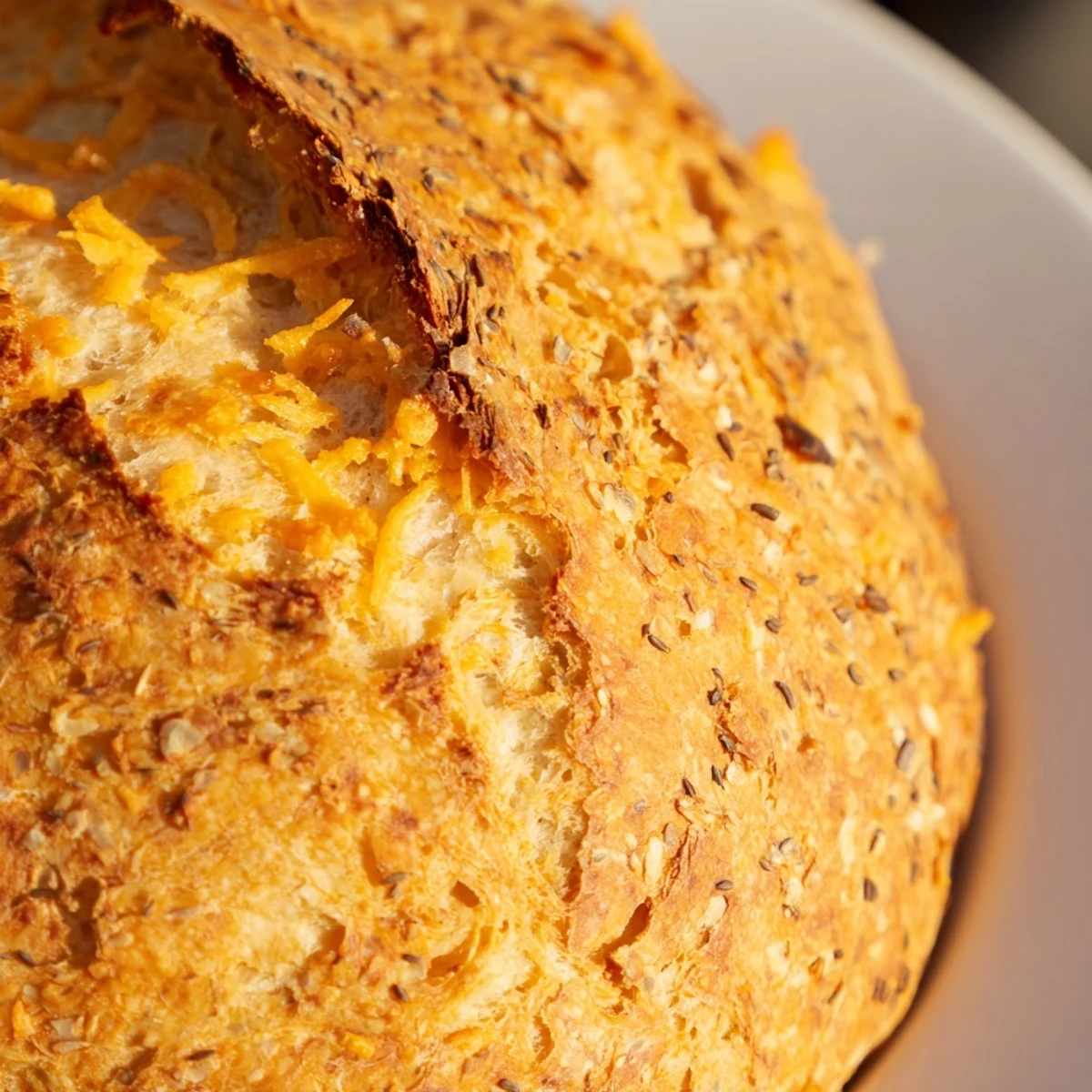
Save There's something deeply satisfying about making bread with your own hands, even if those hands barely had to work for it. The smell of baking cheddar bread will make your entire home feel warmer.
Questions & Answers
- → Why bake this bread in a Dutch oven?
-
The Dutch oven creates a steamy, enclosed environment that mimics professional bread ovens. This moisture allows the loaf to rise fully before the crust sets, resulting in that beautiful airy crumb. The heavy pot also conducts heat evenly, producing a deeply golden, crackling crust.
- → Can I use pre-shredded cheese instead of grating my own?
-
Freshly grated cheddar works best because it melts evenly and distributes throughout the crumb. Pre-shredded cheese contains anti-caking agents that can create dry pockets in the loaf. Take the extra minute to grate it yourself for superior texture and flavor.
- → How do I know when the bread is done baking?
-
Look for a deep golden-brown crust all over. The most reliable test is tapping the bottom of the loaf—if it sounds hollow, it's fully baked. An instant thermometer inserted into the center should read 200-205°F (93-96°C).
- → Can I add other ingredients to the dough?
-
Absolutely! Fresh herbs like rosemary, thyme, or chives complement cheddar beautifully. For extra flavor, try adding minced garlic, caramelized onions, or a pinch of smoked paprika. You could also swap half the cheddar for smoked gouda or pepper jack.
- → Why is there such a long rising time?
-
The extended 3-4 hour rise allows yeast to slowly ferment the dough, developing complex flavor and creating those desirable air pockets. This slow proofing is what gives no-knead bread its characteristic chewy texture and professional-quality crumb without requiring hands-on work.
- → Can I refrigerate the dough overnight?
-
Yes! After mixing, cover and refrigerate for up to 24 hours. The cold fermentation enhances flavor even further. When ready to bake, let the dough come to room temperature for about an hour before proceeding with shaping and baking.