
 Save
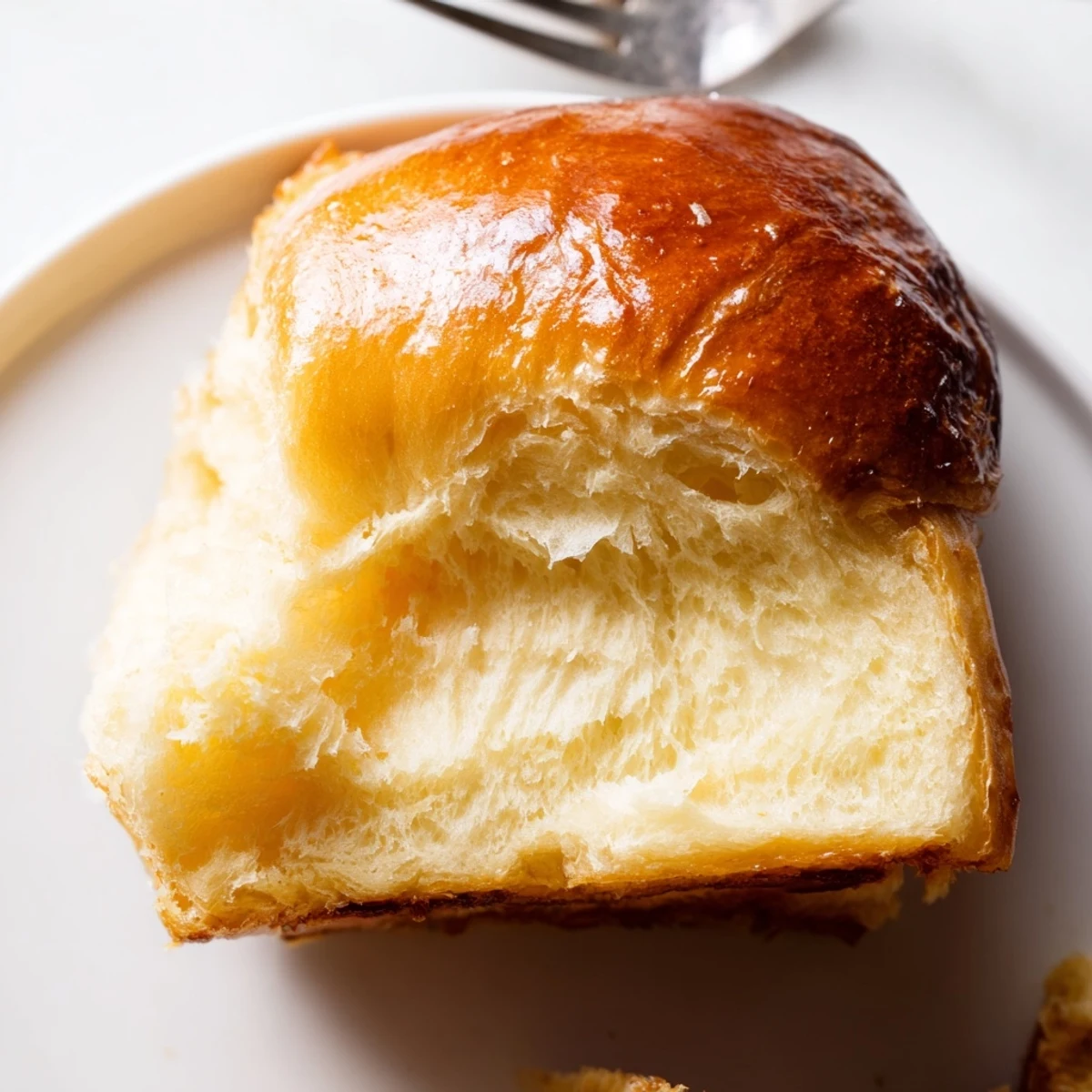
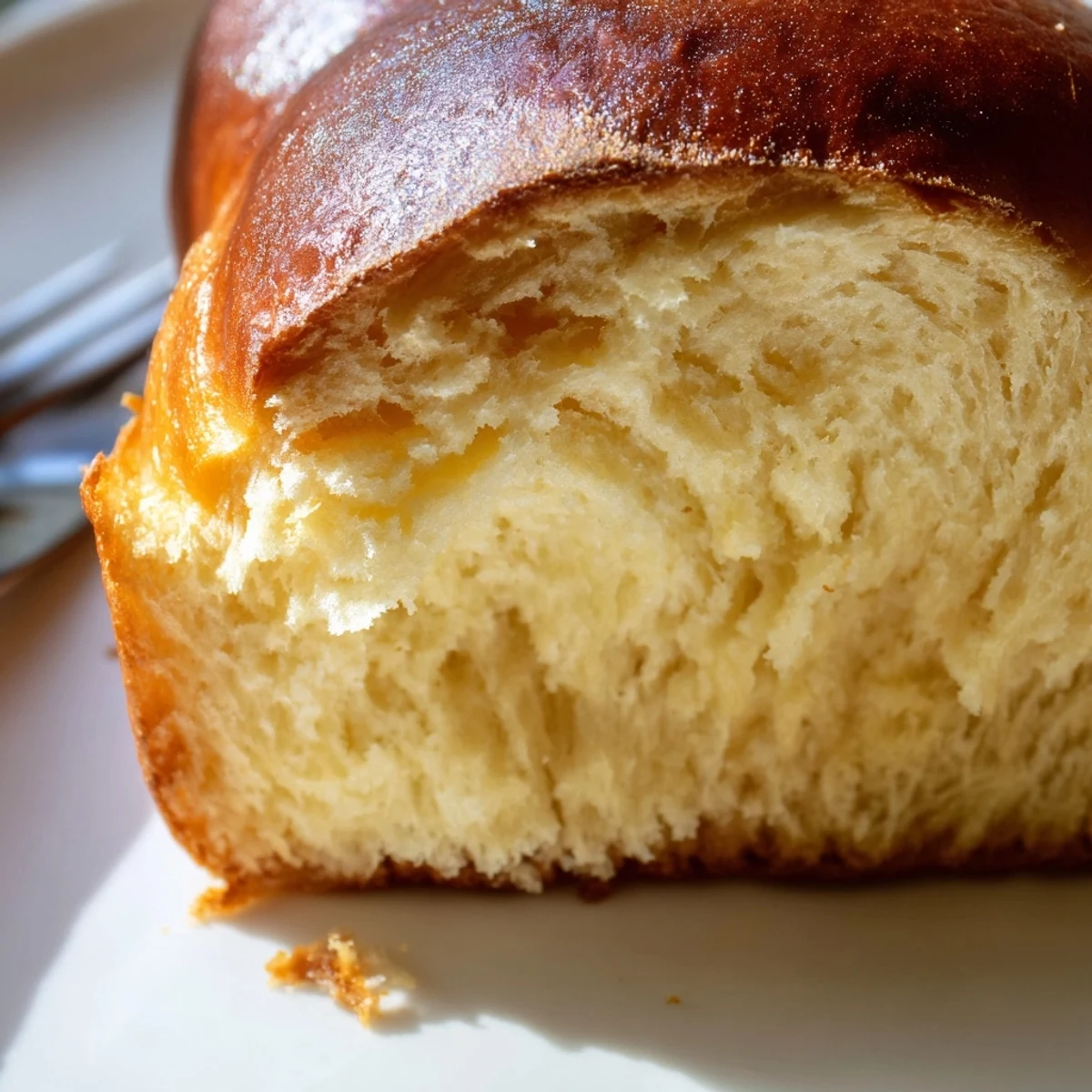
Save This classic French brioche features a rich, pillowy texture achieved through milk and butter incorporation. The dough develops a glossy, elastic quality after kneading, resulting in a tender crumb and golden crust. Perfect for breakfast, brunch, or as an indulgent snack, this bread can be shaped into loaves or braided for beautiful presentation.
The process involves creating a shaggy dough with flour, sugar, yeast, salt, eggs, and milk, then gradually incorporating softened butter cubes to achieve the signature brioche texture. After rising twice, the bread is brushed with an egg wash and baked to golden perfection.
My tiny Paris apartment kitchen had barely enough counter space for a cutting board, but that didn't stop me from attempting brioche every Sunday morning. The landlord below would bang on his ceiling when I dragged my stand mixer across the floor at 6 AM, but the smell of buttery dough rising was worth the complaints. After dozens of dense loaves and burnt bottoms, I finally understood that brioche isn't rushed. It's a meditation on patience and butter.
Last winter my sister visited while I was testing this recipe, and we ate half the loaf standing at the counter, still warm from the oven, slathering each slice with salted butter. She asked for the recipe before even finishing her first piece. Now every time she texts me that she's making it, I know exactly what her house must smell like.
Ingredients
- 500 g all-purpose flour: Bread flour works too, but all-purpose gives that classic tender brioche texture
- 60 g granulated sugar: Helps with browning and just enough sweetness to balance the richness
- 10 g instant yeast: Instant is faster than active dry and I've had more consistent results
- 8 g fine sea salt: Don't skip this. It balances all that butter and sugar perfectly
- 4 large eggs room temperature: Cold eggs will shock your butter and make it chunky. Trust me on this one
- 120 ml whole milk lukewarm: Should feel like bath water, not hot enough to kill the yeast
- 150 g unsalted butter softened cut into cubes: European style butter has less water content and makes superior brioche
- 1 egg yolk: For that gorgeous burnished top that makes everyone ask what bakery you visited
- 1 tbsp whole milk: Thins the egg yolk just enough for an even wash without streaks
Instructions
- Build the foundation:
- Combine flour, sugar, yeast, and salt in your stand mixer bowl. Give it a quick whisk so everything's evenly distributed before the liquids join the party.
- Bring it together:
- Add those room temperature eggs and the lukewarm milk. Mix on low speed until it looks like a shaggy mess, then let it rest for 5 minutes to hydrate fully.
- Develop the gluten:
- Turn to medium speed and knead for 5 minutes. Watch the dough transform from sticky to smooth as the gluten network develops.
- Work in the butter:
- Add butter cubes one handful at a time, letting each incorporate before adding more. This takes another 10 minutes of kneading but the dough should become glossy and pull away from the sides cleanly.
- First rise:
- Shape into a ball, place in a greased bowl, cover, and let rise in a warm spot for 1 to 1.5 hours until doubled. I turn my oven light on and let it rise inside with the door closed.
- Shape your loaf:
- Gently deflate and divide into three equal portions. Roll each into a rope and braid them, tucking the ends under, or simply shape into a loaf and place in your buttered 9x5 inch pan.
- Second rise:
- Cover loosely and let rise another 45 minutes until puffy and nearly doubled. The dough should bounce back slowly when you poke it gently.
- Preheat and prepare:
- Heat your oven to 180°C (350°F). Whisk the egg yolk with milk until smooth and set aside.
- The golden finish:
- Brush the egg wash gently over the top of your brioche. Don't press too hard or you'll deflate all that beautiful rise you just waited for.
- Bake to perfection:
- Bake for 25 to 30 minutes until deeply golden and a skewer comes out clean. If the top browns too fast, tent with foil for the last 10 minutes.
- Cool completely:
- Let rest in the pan for 10 minutes, then transfer to a wire rack. Wait until completely cool before slicing. I know it's hard, but warm bread squishes when you cut it.
 Save
Save This recipe became my go-to for housewarming gifts after a friend cried over a loaf I brought her. Something about the ritual of breaking bread together, especially something this special, turns strangers into family.
Make It Your Own
Swap half the milk for heavy cream when you want something even more decadent. The extra fat creates a ridiculously tender crumb that lasts an extra day fresh. Or fold in orange zest and chocolate chips for a breakfast bread that disappears in minutes.
Storage Secrets
Brioche keeps longer than you'd expect, stored at room temperature in a paper bag for 2 days. After that, slice and freeze in an airtight bag for up to a month. Toast frozen slices directly from the freezer. They only need about 2 minutes in a toaster to come back to life.
Serving Ideas That Shine
The best way to eat brioche is thick-cut and pan-fried in butter until crisp, then topped with powdered sugar and fresh berries. Day-old brioche makes the most luxurious bread pudding. Simply cube it, soak it overnight in a custard of eggs, cream, and vanilla, then bake until puffed and golden.
- Use day-old slices for grilled cheese with gruyère and caramelized onions
- Cube and toast for croutons that elevate any salad or soup
- Shape individual rolls instead of one loaf for dinner party-worthy dinner rolls
 Save
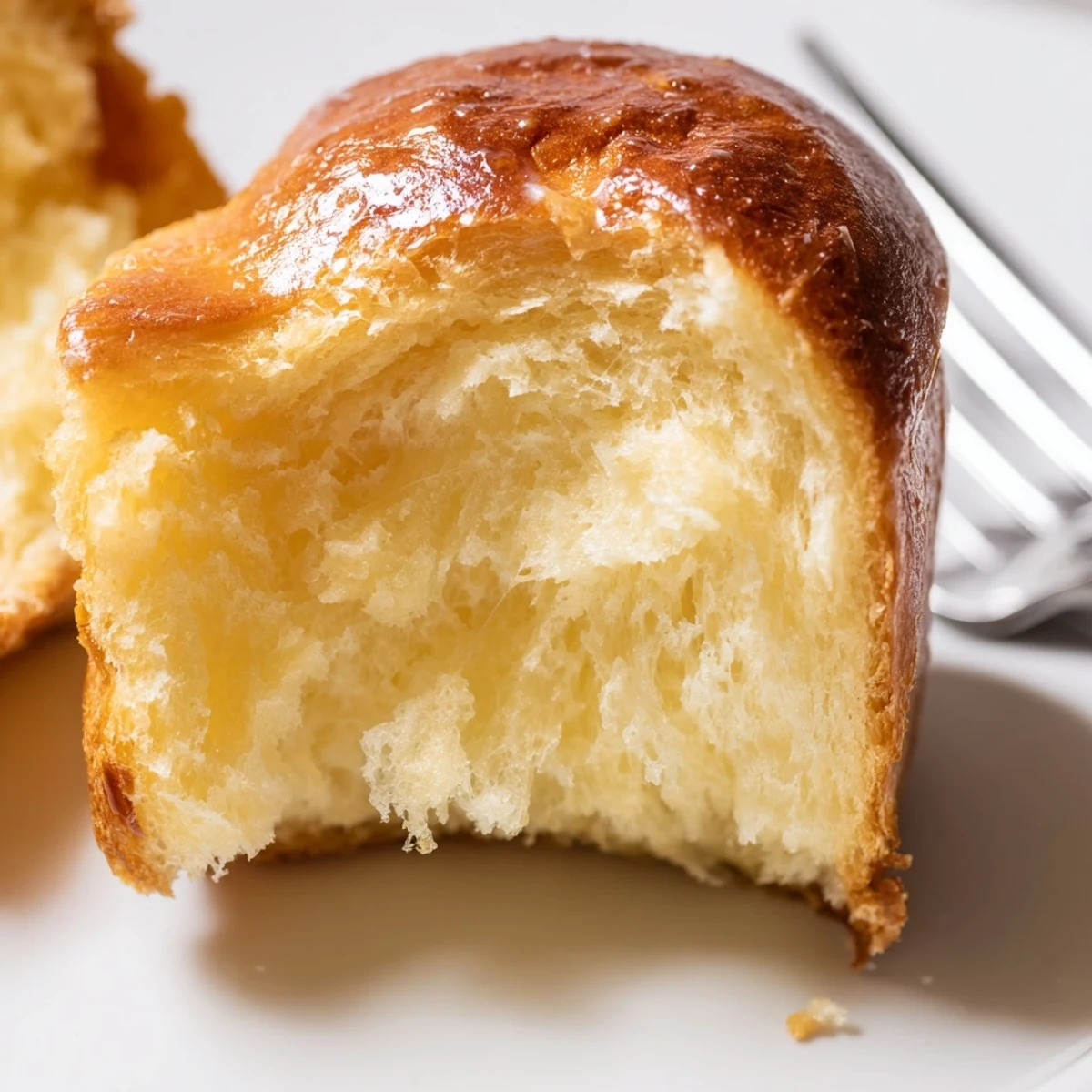
Save There's something deeply satisfying about pulling a golden brioche from the oven, knowing you created something this beautiful with your own hands. Hope your kitchen fills with as much joy as mine has.
Questions & Answers
- → What makes brioche different from regular bread?
-
Brioche differs from regular bread through its high butter and egg content, which creates a richer, more tender crumb and golden color. The butter incorporation during kneading develops the characteristic glossy, elastic dough texture.
- → Can I use different milk types in this brioche?
-
Yes, you can substitute whole milk with heavy cream for extra richness, or use 2% milk if you prefer a slightly leaner version. The milk should be lukewarm to activate the yeast properly.
- → How do I know when the brioche is fully baked?
-
The brioche is done when it reaches a golden brown color and a skewer inserted in the center comes out clean. The top should be firm to the touch and have a slight spring when pressed gently.
- → What's the best way to store brioche?
-
Allow the brioche to cool completely, then store in an airtight container at room temperature for up to 3 days. For longer storage, slice and freeze in an airtight bag for up to 1 month.
- → Can I make this brioche without a stand mixer?
-
Yes, you can knead the dough by hand, though it requires more effort. Mix ingredients until shaggy, then knead on a floured surface for 15-20 minutes until smooth and elastic before adding butter gradually.