
 Save
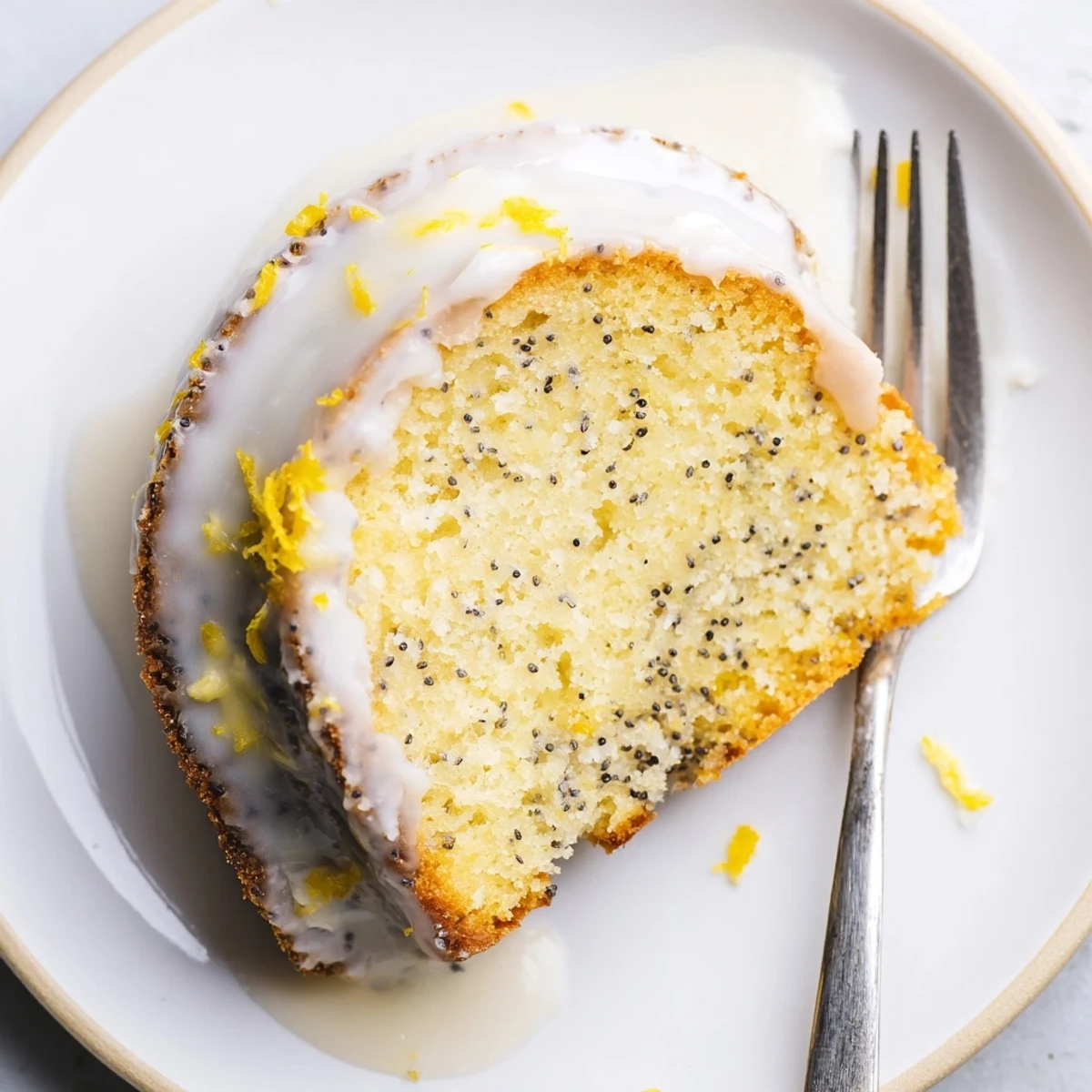
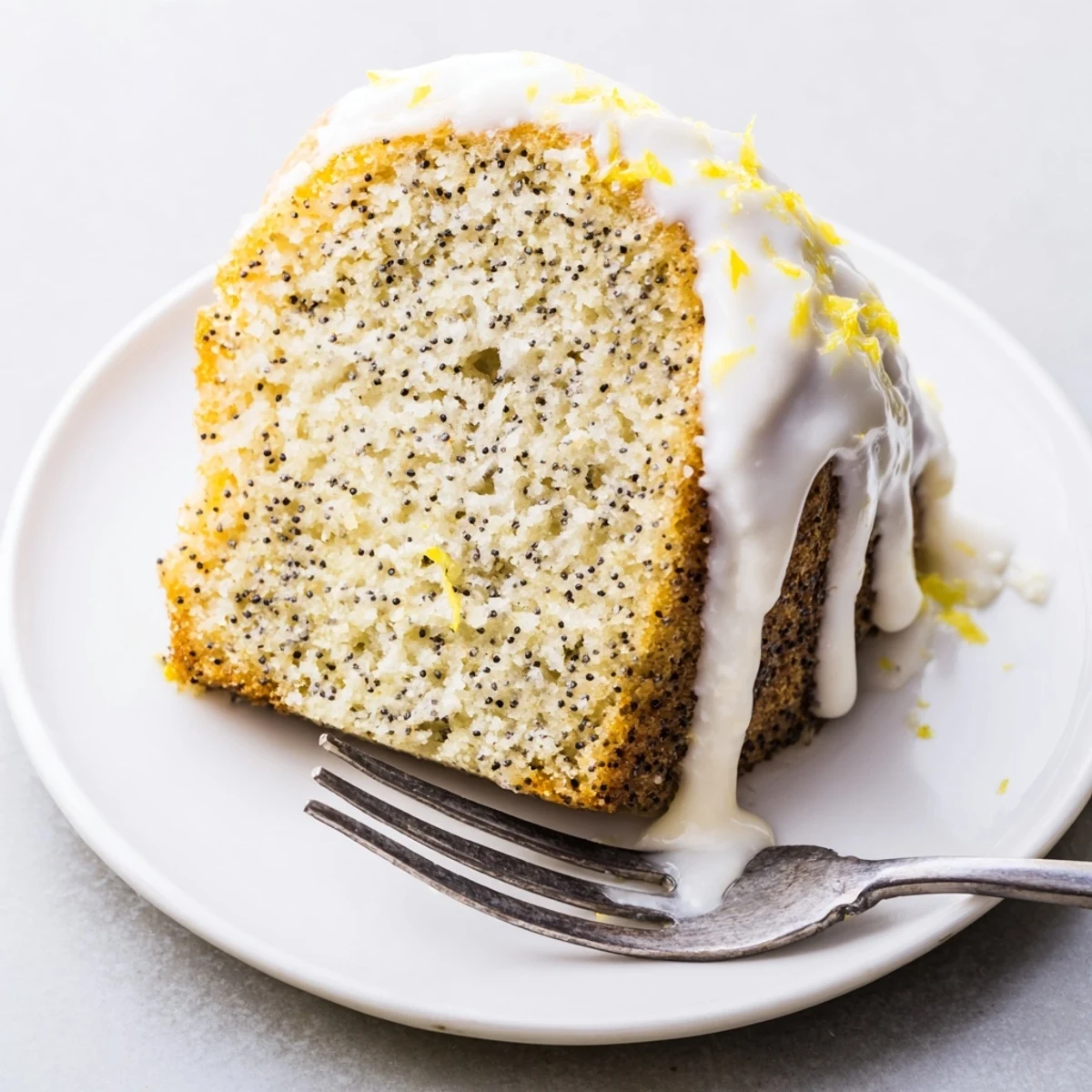
Save This lemon poppy seed bundt combines bright citrus flavors with a tender, moist crumb. Fresh lemon zest and juice infuse the batter, balanced by crunchy poppy seeds for texture. A smooth lemon glaze crowns the cake, bringing a fresh, tangy finish. Perfectly baked to a golden hue and served cool, this dessert blends softness with a subtle crunch. Ideal for gatherings or a special treat, it showcases simple techniques and vibrant ingredients for memorable results.
The first time I truly understood the magic of lemon in dessert was standing in my mom's kitchen on an ordinary Tuesday afternoon, watching her fold fresh poppy seeds into pale yellow batter. She'd squeeze lemons until her hands went sticky, not measuring anything, just trusting her nose and the brightness of the fruit. That cake emerged from the oven golden and impossibly fragrant, and I realized then that some flavors don't need to be complicated to be unforgettable.
I made this cake for my neighbor Sarah after her surgery, and she texted me a photo of an empty plate with five laughing emoji. She said her kids fought over the last slice, which never happens with store-bought desserts. That's when I knew this wasn't just a good recipe—it was the kind of thing that actually matters when someone needs comfort.
Ingredients
- All-purpose flour (3 cups): The foundation of structure; make sure it's fresh and airy by stirring before measuring.
- Baking powder and baking soda: These two work together to lift the cake without making it dense; don't skip the soda, it's crucial for the crumb.
- Poppy seeds (2 tbsp): They sink slightly during baking, which is perfect for that textural surprise in every bite.
- Unsalted butter and sugar: Room temperature butter creams faster and captures more air; this is where your cake gets its tender crumb.
- Eggs (4 large, room temperature): Cold eggs won't incorporate smoothly; let them sit out for 20 minutes beforehand.
- Lemon zest and fresh lemon juice: Use a microplane for zest so you get only the bright yellow, never the bitter white pith underneath.
- Buttermilk and vanilla extract: The buttermilk's acidity keeps the cake moist for days; real vanilla makes all the difference in the final flavor.
- Powdered sugar for glaze: Sift it first so the glaze stays silky and lump-free.
Instructions
- Prep your pan and oven:
- Grease a bundt pan thoroughly—I mean every ridge and corner—then dust it lightly with flour, tapping out the excess. Preheat your oven to 350°F so it's ready when the batter is.
- Mix your dry ingredients:
- Whisk together flour, baking powder, baking soda, salt, and poppy seeds in a medium bowl. This ensures everything distributes evenly when you fold it in later.
- Cream butter and sugar:
- Beat them on medium speed for 3 to 4 minutes until the mixture looks pale, fluffy, and almost mousse-like. You're literally whipping air into the batter, which creates that tender crumb.
- Add eggs one at a time:
- Add each egg slowly and beat well after each one so the mixture stays smooth and emulsified. Then mix in your lemon zest and vanilla—you'll smell the transformation happening right there in the bowl.
- Combine buttermilk and lemon juice:
- In a small bowl, mix them together; they'll curdle slightly, which is exactly what you want. This is your liquid component.
- Alternate wet and dry:
- With the mixer on low speed, add the flour mixture and buttermilk mixture in three alternations, starting and ending with flour. Mix just until the streaks of flour disappear—overmixing develops gluten and makes the cake tough, so resist the urge to keep going.
- Pour and bake:
- Transfer the batter to your prepared pan, smooth the top gently, and bake for 40 to 45 minutes until a toothpick inserted in the center comes out clean or with just a few moist crumbs clinging to it. The kitchen will smell like an orchard.
- Cool with patience:
- Let the cake rest in the pan for 15 minutes—this allows the structure to set slightly before you flip it. Then invert it onto a wire rack and let it cool completely; this takes about an hour, and don't skip it or the glaze will melt off.
- Make the glaze:
- Whisk powdered sugar, lemon juice, and lemon zest together until smooth and pourable, like liquid silk. If it's too thick, add more lemon juice a teaspoon at a time.
- Glaze and set:
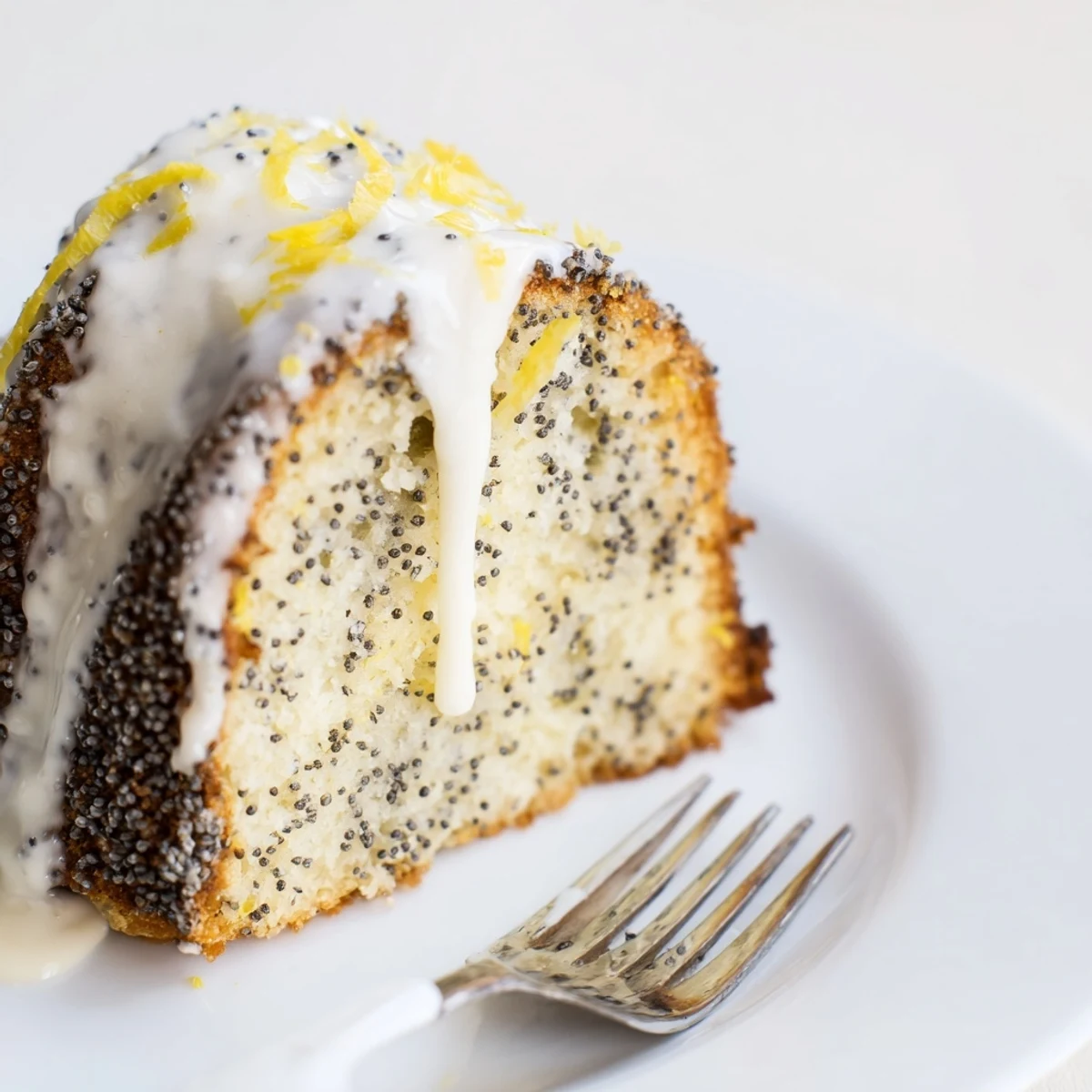
- Once the cake is completely cool, drizzle the glaze over the top and let it cascade down the sides. Allow 15 to 20 minutes for it to set before you slice, so it stays put when the knife goes through.
 Save
Save There's a moment every time I make this cake when I crack open those lemons and feel the bright acid hit my hands, and I remember that some of the best things in life taste like sunshine. This cake has that quality—it's simple, but it says something true.
Why Poppy Seeds Matter More Than You Think
Poppy seeds are small enough that they don't dominate the flavor, but they add texture and a whisper of nuttiness that your tongue registers without quite knowing why. They also catch the light as the cake cools, giving it a speckled, homemade appearance that's honestly more beautiful than any perfectly smooth frosting. When people ask what's different about your cake, it's usually the poppy seeds they're reacting to, even if they can't name it.
The Science of Lemon in Cake
Lemon juice is acidic, and that acid reacts with baking soda to create lift and tenderness. It also keeps the cake moist for longer because acid binds to water molecules and prevents them from evaporating as quickly. That's why this cake stays soft and fragrant for three days at room temperature—the lemon is essentially a preservative wrapped in brightness. Understanding this means you can adjust the recipe slightly if you want more intensity; just don't go overboard or the cake will taste soapy.
Making This Cake Your Own
This is a foundational recipe that invites small additions without collapsing. Some bakers add half a teaspoon of almond extract to deepen the flavor, while others brush the warm cake with lemon syrup before glazing. A few friends have added fresh lemon zest directly to the glaze for even more brightness. The poppy seeds are the anchor that holds everything together, so keep those, but the rest is genuinely flexible.
- Try adding fresh berries to the plate alongside slices for a summery, garden-like presentation.
- A cup of Earl Grey tea becomes something special when you're eating a slice of this cake warm with the glaze still soft.
- Wrapped tightly at room temperature, this keeps for three days, making it a perfect make-ahead dessert for busy weeks.
 Save
Save This cake is the kind of recipe that doesn't age in the back of a cookbook file—you'll find yourself making it again and again, once for a birthday, once when someone needs cheering, once just because the smell of lemon on your fingers feels like the right thing. That's how you know a recipe matters.
Questions & Answers
- → What makes the bundt cake moist?
-
The combination of buttermilk and butter adds richness and moisture, while careful mixing prevents overworking the batter.
- → How do poppy seeds affect the texture?
-
Poppy seeds add a pleasant crunch and subtle nuttiness, complementing the soft crumb without overpowering the flavor.
- → What is the best way to apply the lemon glaze?
-
Once the bundt cake has cooled completely, drizzle the lemon glaze evenly over the top and allow it to set for a glossy finish.
- → Can I add other flavors to the batter?
-
Yes, adding a hint of almond extract enhances the flavor profile, balancing citrus notes with subtle warmth.
- → How should leftovers be stored?
-
Wrap the cake tightly and keep at room temperature for up to three days to maintain freshness and texture.
- → What type of bundt pan is recommended?
-
A 10- to 12-cup bundt pan ensures even baking and the characteristic ring shape for this cake.