
 Save
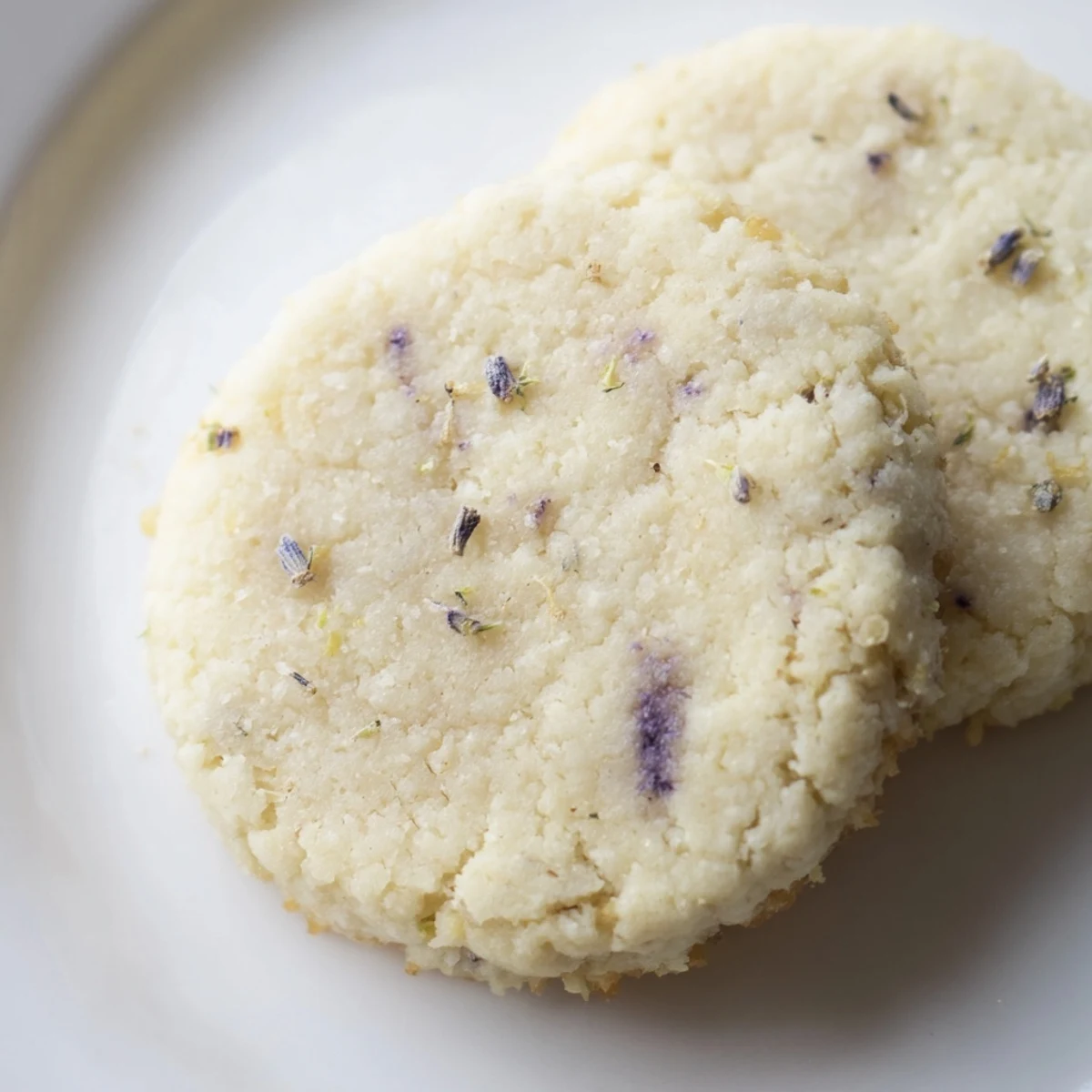
Save These delicate lemon lavender cookies combine the bright citrus flavor of fresh lemon zest and juice with the subtle floral notes of dried culinary lavender. The result is a sophisticated, fragrant treat perfect for afternoon tea or as a light dessert.
The dough comes together quickly, requiring just 20 minutes of preparation before baking to golden perfection. Each bite offers a balanced harmony of tart citrus and gentle floral sweetness.
Optional lemon glaze adds extra sweetness and visual appeal, while gluten-free substitutions make these accessible for various dietary needs.
The air in my tiny apartment kitchen was thick with the scent of lavender that afternoon. I had bought a massive bundle of dried flowers at the farmers market, mostly because they looked beautiful in a jar, but I was determined to actually use them. My roommate walked in mid-bake, wrinkled her nose at the perfume floating through the rooms. By the time the cookies came out of the oven, she was hovering by the cooling rack, and neither of us could stop eating just one more.
I brought a batch to my mothers book club meeting last spring. The ladies were polite at first, slightly suspicious of the lavender ingredient, but within ten minutes the platter was empty. My mom called me that evening to say three different women had already texted her for the recipe. Sometimes the simplest cookies create the biggest stir.
Ingredients
- 2 cups all-purpose flour: The foundation of these tender cookies, providing just enough structure without making them tough.
- 1/2 teaspoon baking powder: Gives the cookies a subtle lift so they are not completely dense.
- 1/4 teaspoon salt: Essential for balancing the sweetness and enhancing all the other flavors.
- 1 tablespoon dried culinary lavender: Make sure you buy food grade lavender, not the stuff sold for sachets or crafts.
- Zest of 2 lemons: Use a microplane if you have one, it catches the oils better than a regular zester.
- 3/4 cup unsalted butter, softened: Let it sit at room temperature for at least an hour, no microwaving or the texture will suffer.
- 1 cup granulated sugar: Cream this thoroughly with the butter, it makes all the difference for the final texture.
- 1 large egg: Room temperature eggs incorporate more evenly into the dough.
- 1 teaspoon vanilla extract: Pure vanilla, not imitation, because this recipe has such delicate flavors.
- 2 tablespoons fresh lemon juice: Squeeze it right before you need it, not ahead of time.
Instructions
- Preheat and prepare:
- Preheat your oven to 350°F (175°C) and line baking sheets with parchment paper.
- Mix the dry ingredients:
- Whisk together flour, baking powder, and salt in a medium bowl until well combined.
- Crush the lavender:
- Using a mortar and pestle or spice grinder, lightly crush the dried lavender with lemon zest to release the fragrant oils.
- Cream the butter and sugar:
- In a large bowl, beat butter and sugar until light and fluffy, about 2 minutes.
- Add the wet ingredients:
- Beat in the egg, vanilla extract, and lemon juice until everything is well combined.
- Incorporate the lavender mixture:
- Mix in the crushed lavender and lemon zest until evenly distributed throughout the batter.
- Combine everything:
- Gradually add the dry ingredients to the wet ingredients, mixing until just incorporated.
- Shape the cookies:
- Scoop tablespoon sized balls of dough onto prepared baking sheets, spacing about 2 inches apart.
- Bake:
- Bake for 10 to 12 minutes, until the edges are just barely turning golden.
- Cool completely:
- Let them sit on the baking sheet for 2 minutes, then transfer to a wire rack to finish cooling.
 Save
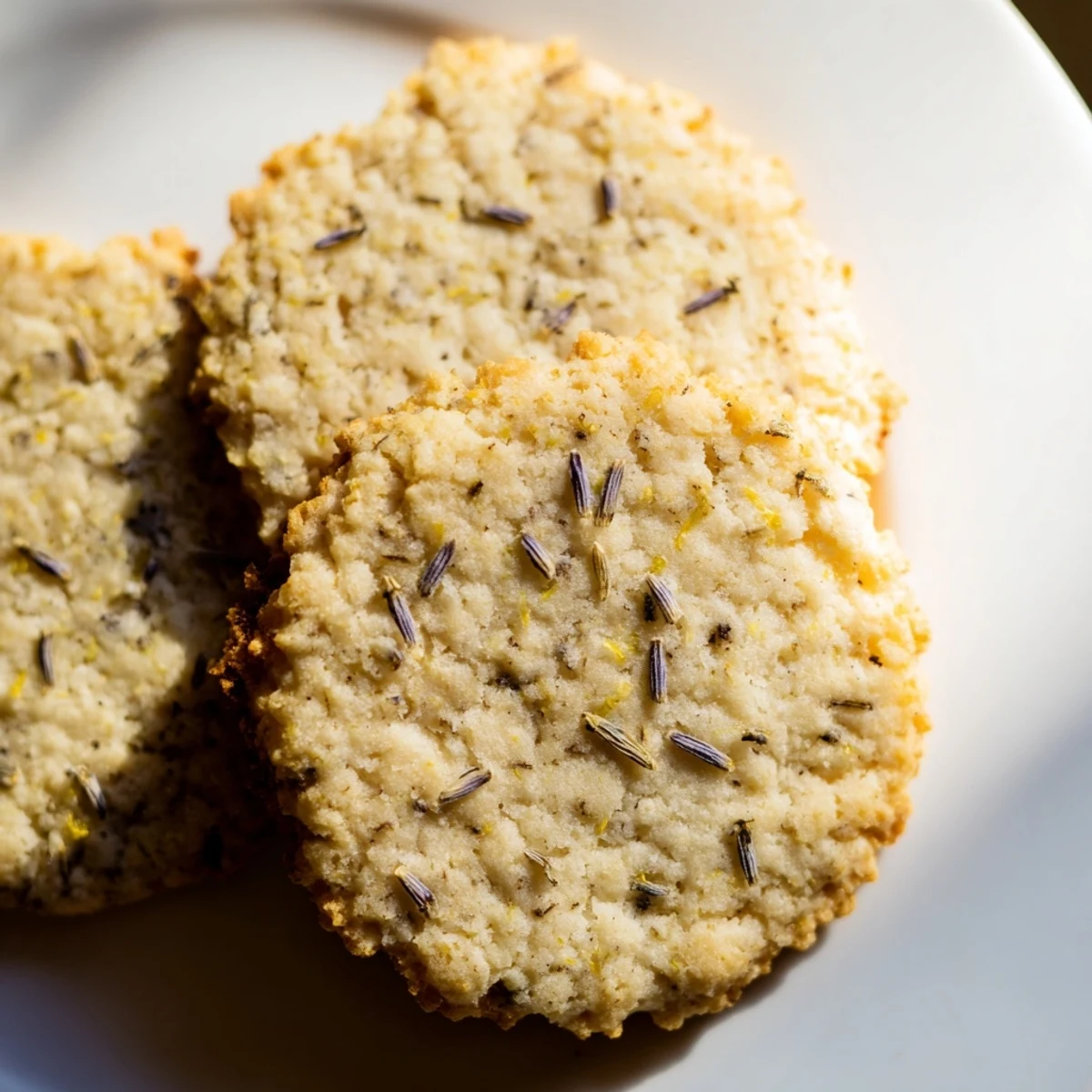
Save My niece helped me make these last Christmas and she was so proud explaining to everyone that the flowers in the cookies were real. She is thirteen now and still requests them for every family gathering. Food memories have a way of sticking around longer than we expect.
Finding Your Lavender
I have found the best source for culinary lavender is actually spice shops or specialty grocery stores rather than bulk herb suppliers. The quality difference is noticeable immediately when you open the jar. Store it in a dark cupboard, not on your counter, because light fades those essential oils quickly.
Getting The Zest Right
When zesting the lemons, avoid pressing too deeply into the white pith underneath. That bitter layer will completely throw off the delicate flavor balance you are trying to achieve. Wash the lemons thoroughly before zesting, even if you bought organic.
Storage And Serving
These cookies keep remarkably well in an airtight container at room temperature for up to five days, though they rarely last that long in my house. They are perfect with a cup of Earl Grey tea in the afternoon or served alongside fresh berries after dinner.
- Freeze the unbaked dough balls if you want fresh cookies later.
- The dough freezes beautifully for up to three months.
- Bake frozen dough balls for an extra minute or two.
 Save
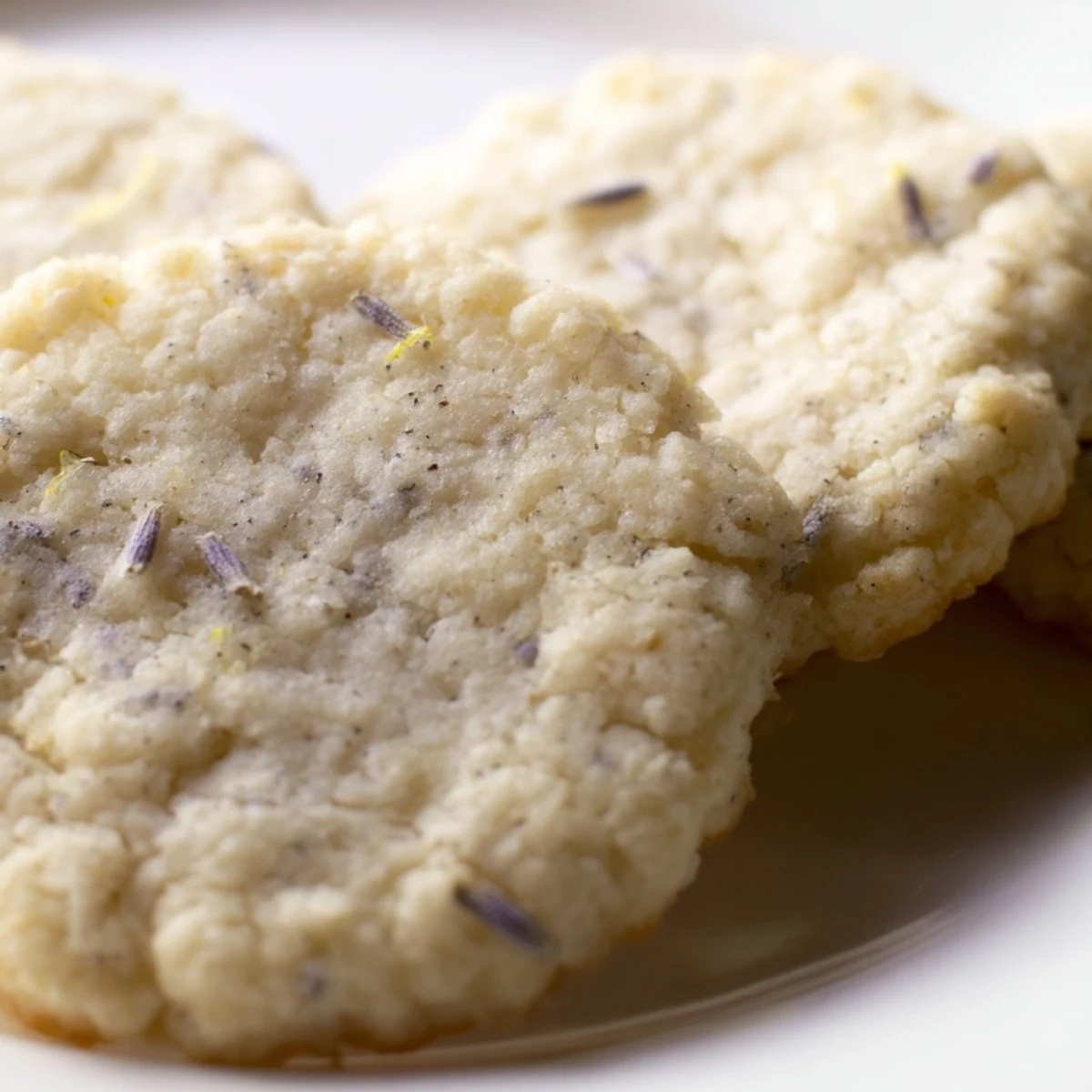
Save There is something so satisfying about serving cookies that taste like they came from a fancy bakery but came from your own oven. Happy baking.
Questions & Answers
- → What type of lavender should I use?
-
Always use culinary-grade dried lavender buds meant for cooking. Garden or ornamental lavender may contain pesticides or have an unpleasant flavor. Look for organic lavender specifically sold for baking and culinary use.
- → Can I make the dough ahead of time?
-
Yes, the dough can be refrigerated for up to 24 hours before baking. Wrap tightly in plastic wrap and let soften slightly at room temperature before scooping. Chilled dough may need an extra minute or two in the oven.
- → How do I prevent the lavender from being too strong?
-
Lightly crushing the lavender with the lemon zest helps release the oils evenly. Start with the recommended tablespoon. If you're sensitive to floral flavors, reduce to 2 teaspoons. The citrus helps balance the intensity.
- → What's the best way to store these cookies?
-
Store in an airtight container at room temperature for up to 5 days. Place parchment paper between layers to prevent sticking. For longer storage, freeze unbaked dough balls for up to 3 months and bake fresh as needed.
- → Can I use fresh lemon juice instead of bottled?
-
Fresh lemon juice is highly recommended for the best bright, tangy flavor. Bottled juice can taste overly acidic or metallic. Fresh zest is also essential since the oils provide the most concentrated citrus aroma.
- → Why cream the butter and sugar for 2 minutes?
-
This process creates air pockets in the dough, resulting in lighter, tender cookies. The mixture should look pale and fluffy. This step is crucial for achieving the delicate texture described in the recipe.