
 Save
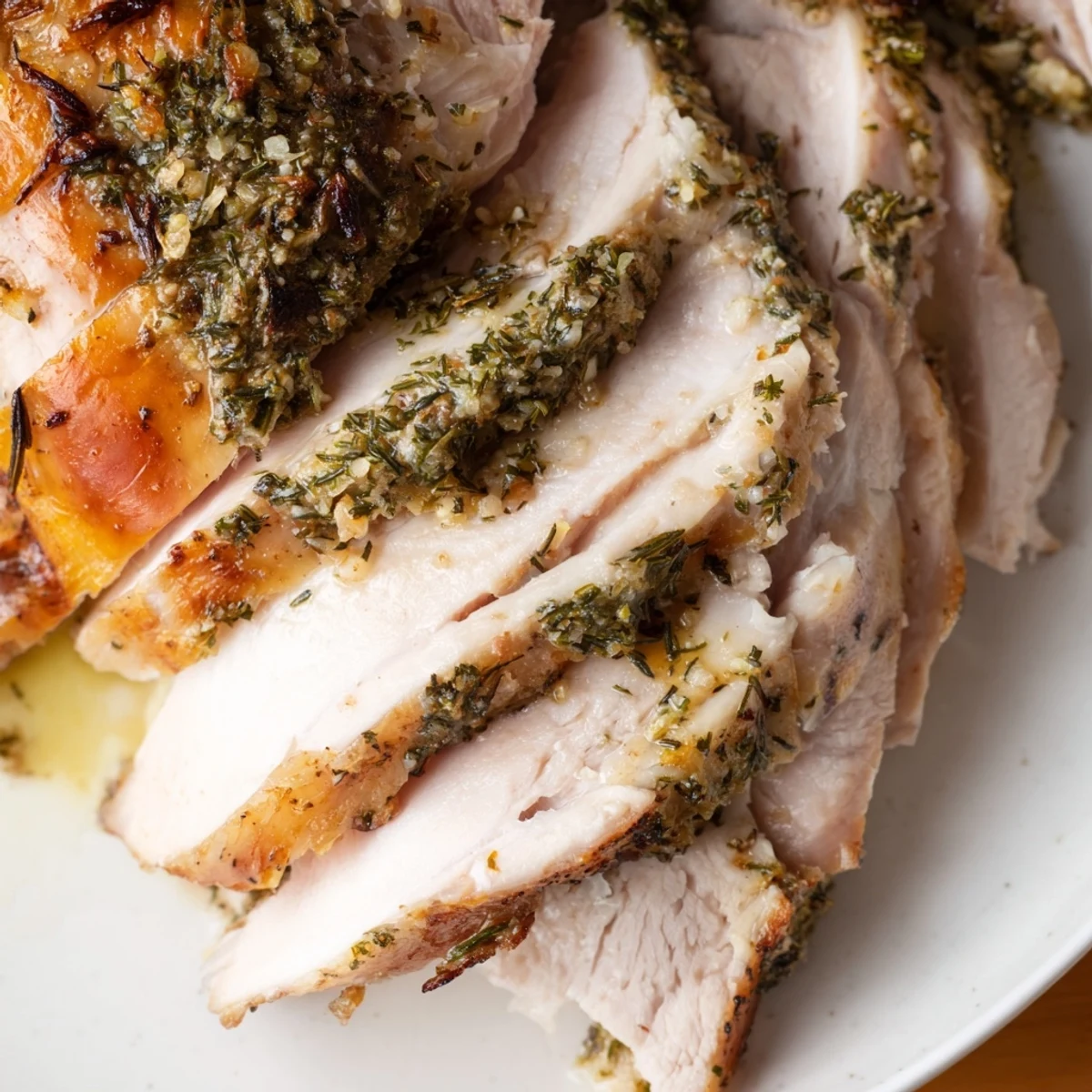
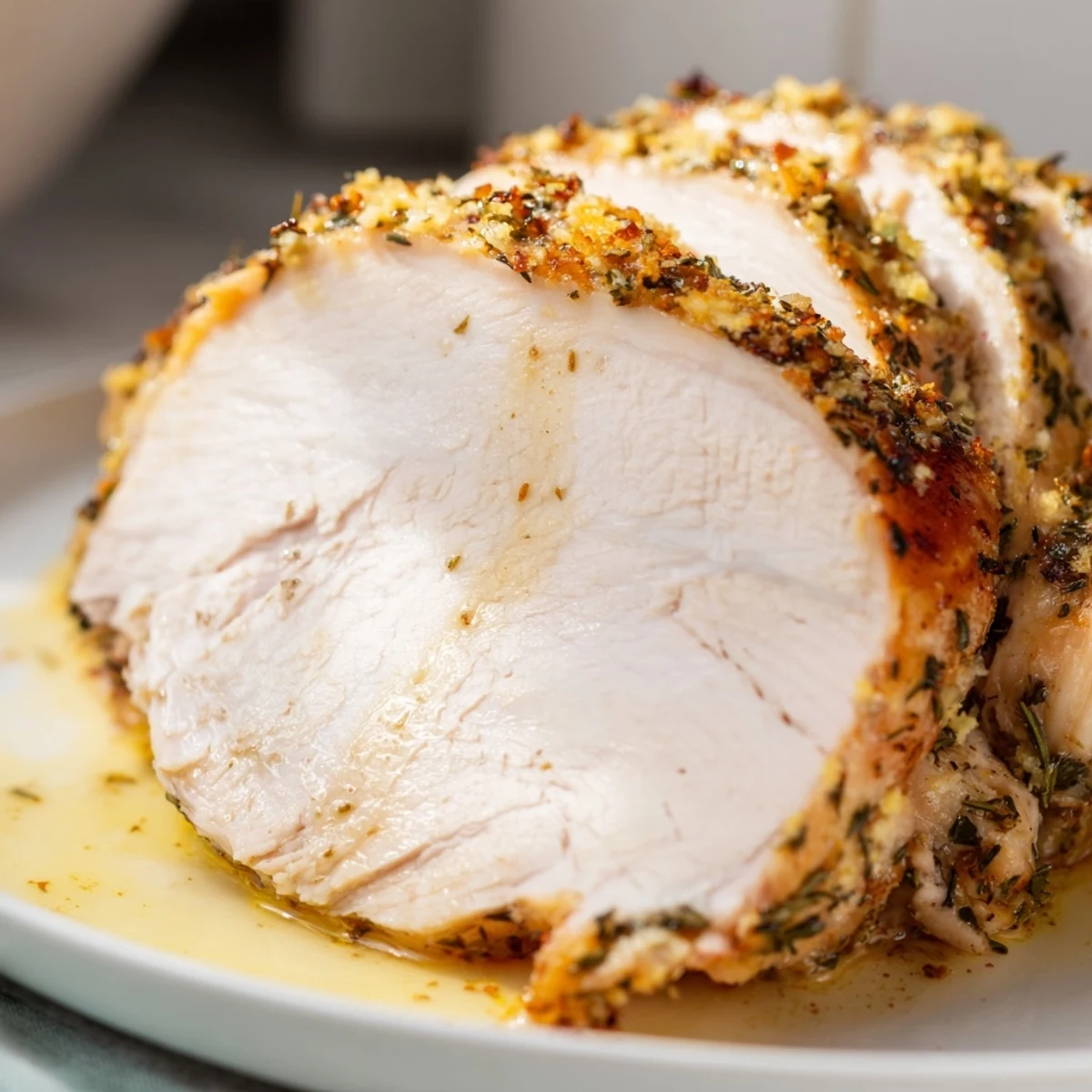
Save This turkey crown is beautifully roasted to tender perfection with a fragrant blend of lemon zest, parsley, thyme, and rosemary. The herb butter is spread under the skin and over the top, locking in moisture and flavor. Roasting alongside fresh vegetables and a splash of chicken stock creates a savory pan environment that bastes the meat during cooking. Resting the turkey before carving ensures juicy slices bursting with subtle citrus and herb notes, ideal for festive gatherings or comforting Sunday dinners.
The first time I roasted a turkey crown, I was genuinely terrified—all that responsibility balanced on one bird, but somehow the lemon and herb butter saved me. What I discovered that afternoon, as the kitchen filled with the most intoxicating aroma of thyme and garlic, was that a crown is actually forgiving and elegant, the kind of main course that makes you feel accomplished without the stress of a whole bird. Now, whenever I need to impress without overcomplicating things, this is what I reach for.
I made this for my sister's engagement dinner last spring, and I remember being nervous about the timing until I realized that a crown is so much more predictable than wrestling with a whole bird. My brother-in-law came into the kitchen halfway through and just stood there breathing in the smell, which felt like the highest compliment—no words needed.
Ingredients
- Turkey crown, 2.5 kg (5.5 lb), skin on: The crown is the sweet spot—meaty, manageable, and the skin crisps beautifully when you don't crowd the pan.
- Unsalted butter, 100 g (7 tbsp), softened: Softening it at room temperature beforehand makes it so much easier to work under the skin without tearing.
- Fresh parsley, 2 tbsp, finely chopped: The gentle herb that doesn't overpower, just rounds everything out.
- Fresh thyme leaves, 2 tbsp: This is what transforms the bird—earthy and aromatic, it soaks into the meat as it cooks.
- Fresh rosemary, 2 tbsp, finely chopped: A little goes a long way; fresh rosemary has a pine-like intensity that's essential here.
- Lemon zest, from 2 lemons: I always use a microplane so the zest is fine and distributes evenly through the butter.
- Garlic cloves, 3, minced: Mince them small so they cook gently under the skin and don't burn on top.
- Olive oil, 2 tbsp: Use good oil here—it affects how the skin crisps.
- Sea salt, 2 tsp: Season generously and don't be shy with the salt under the skin.
- Freshly ground black pepper, 1 tsp: Grind it fresh just before you use it.
- Lemon, 1, halved: These halves go into the roasting pan and perfume the pan juices.
- Onion, 1, quartered: Rough chopping is fine—it's there for flavor, not looks.
- Carrots, 2, roughly chopped: They'll soften and sweeten as they roast beneath the bird.
- Celery sticks, 2, roughly chopped: The holy trinity base that every good pan of juices needs.
- Chicken stock, 250 ml (1 cup): Double-check the label if you need gluten-free—not all stocks are.
Instructions
- Heat your oven and make the herb butter:
- Set the oven to 180°C (350°F) and while it's warming, combine your softened butter with the fresh herbs, lemon zest, and minced garlic in a small bowl. Use a fork to blend everything together until it looks like a fragrant paste.
- Prepare the turkey for its aromatics:
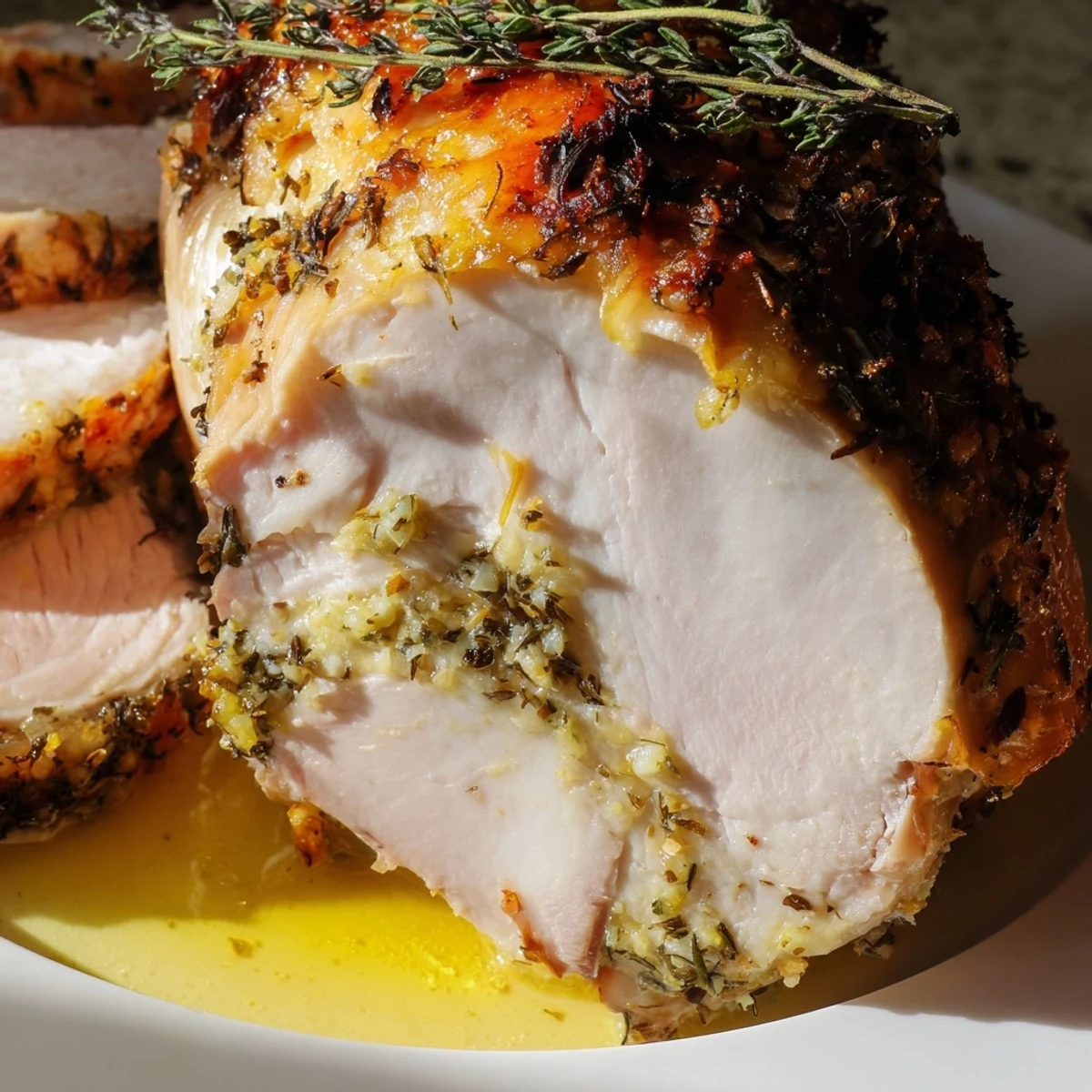
- Pat the turkey crown completely dry with paper towels—this is the step that makes the skin crisp. Gently loosen the skin with your fingertips, starting at the edges and working your way across the breast, then spread half of your herb butter under the skin, working it evenly. Rub the remaining butter all over the top.
- Season and set up the roasting tray:
- Drizzle the turkey with olive oil and season generously with salt and pepper all over. Scatter your lemon halves, onion, carrots, and celery across the bottom of a large roasting tray, then nestle the turkey crown on top, breast side facing up, and pour the stock into the base of the pan.
- Roast and baste your way to golden perfection:
- Slide the tray into the oven for 1 hour 45 minutes, basting with the pan juices every 30 minutes—this is meditative work and keeps everything moist. If the top starts to brown too quickly, loosely tent it with foil, but don't seal it tight.
- Check for doneness and rest:
- At the thickest part of the breast, the internal temperature should read 74°C (165°F) on a meat thermometer. Transfer the turkey to a warm serving platter, cover it loosely with foil, and let it rest for 20 minutes—this is when the magic happens and the juices redistribute.
 Save
Save What struck me most about making this dish was realizing how a turkey crown could feel intimate instead of intimidating—it's special without being fussy. That's when cooking shifted for me from following instructions to actually understanding why each step matters.
Making the Herb Butter Your Own
The herb butter is your canvas—I've swapped out thyme for tarragon on quieter weeknights, or added sage when I'm feeling autumn. The ratio of softened butter to fresh herbs matters more than the exact type, so trust your instincts and go with what's growing in your garden or what you find at the market that morning.
The Art of Basting
Every 30 minutes, you're spooning those pan juices back over the turkey—this isn't tedious, it's your constant conversation with the bird as it cooks. The vegetables underneath soften and sweeten, and by the end, you have liquid gold waiting to become the most incredible gravy or sauce.
Serving and Leftovers
Carve this with a sharp knife and watch how tender and juicy it is—that herb butter and careful roasting really do change everything. Leftovers are such a gift: shredded meat makes the best sandwiches with a thin spread of that pan juice gravy, or tossed into a salad with lemon vinaigrette and fresh herbs.
- If you want extra depth, add a splash of white wine to the roasting tray along with the stock.
- Have all your vegetables prepped and the herb butter made the morning of so you're not stressed when it's time to roast.
- A meat thermometer is non-negotiable if you want confidence and perfectly cooked meat every time.
 Save
Save This turkey crown has become my answer to the question of how to cook something that feels special without losing an entire day. It's the dish that taught me that elegance and ease aren't opposites.
Questions & Answers
- → How should the turkey crown be prepared before roasting?
-
Pat the turkey crown dry, gently loosen the skin, and spread herb butter beneath and on the surface for maximum flavor infusion.
- → What herbs complement the lemon zest in this dish?
-
Fresh parsley, thyme, and rosemary provide aromatic depth that pairs beautifully with bright lemon zest.
- → How can I keep the turkey moist during roasting?
-
Basting with pan juices every 30 minutes and roasting over a mix of vegetables and chicken stock helps retain moisture.
- → What is the ideal internal temperature for safely cooked turkey?
-
The thickest part should reach 74°C (165°F) to ensure the turkey is safely cooked and juicy.
- → Can I add extra flavors during cooking?
-
A splash of white wine added to the roasting tray adds a subtle acidity that enriches the overall taste.
- → What side dishes work well with this dish?
-
Roasted vegetables, creamy gravy, and fresh salads complement the tender turkey crown perfectly.