
 Save
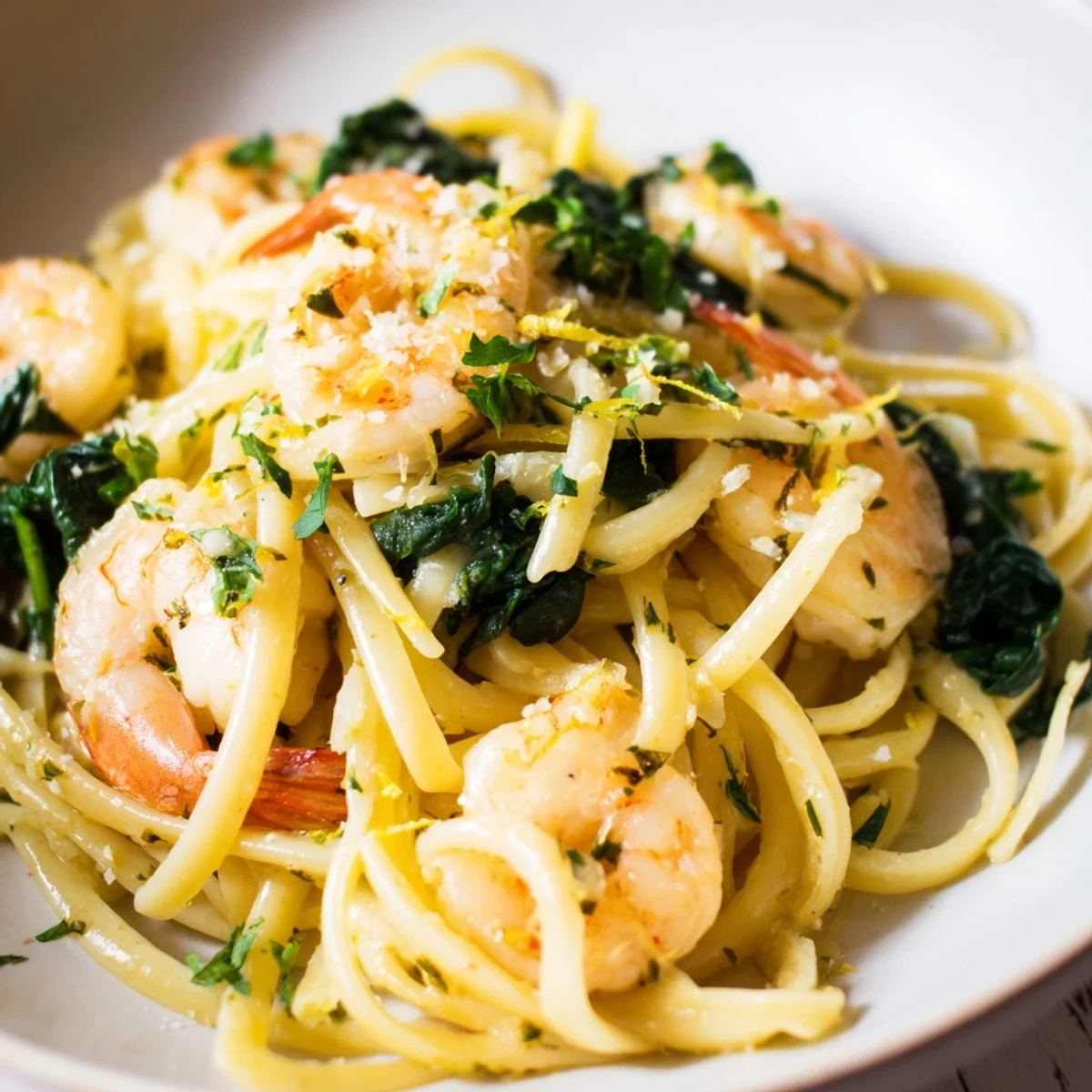
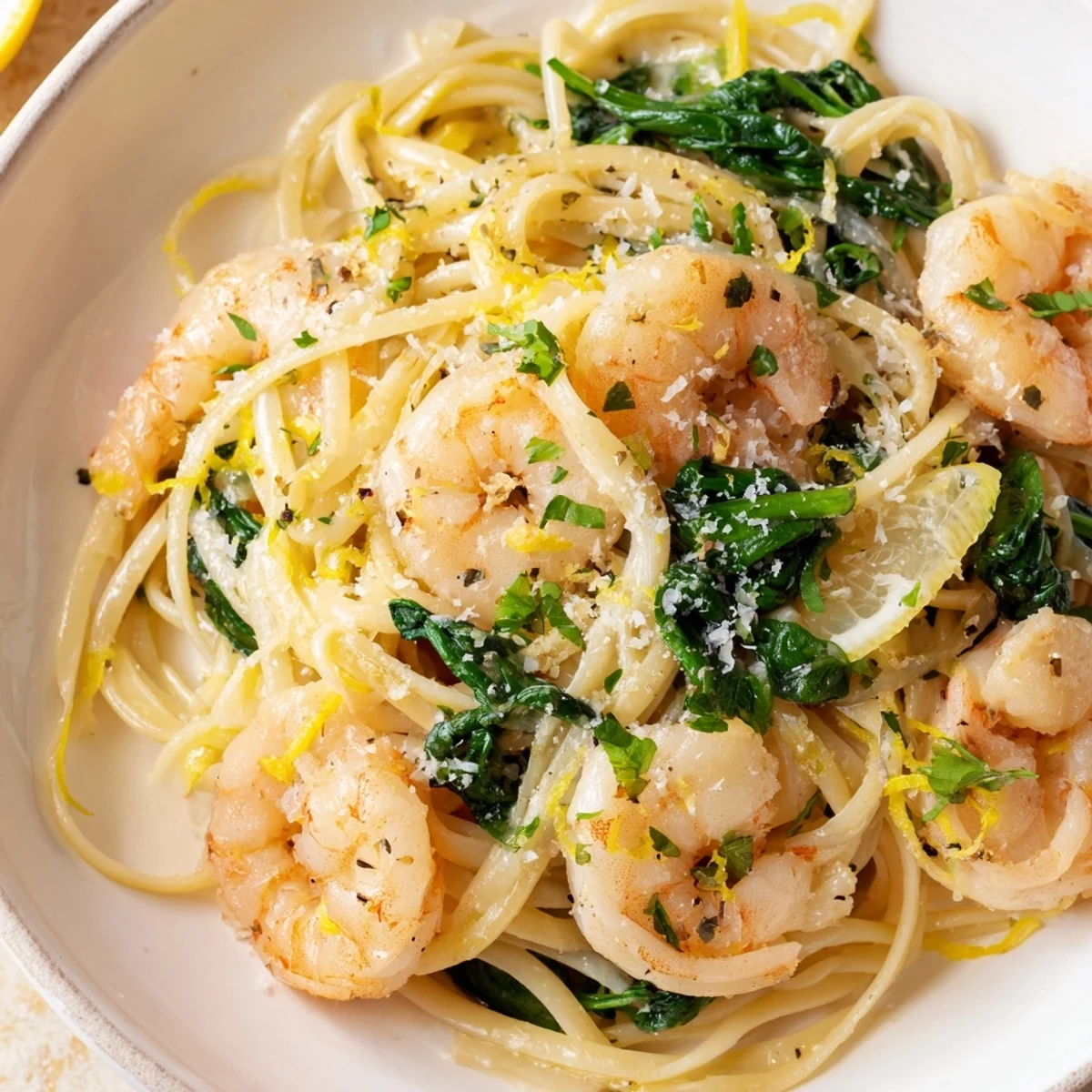
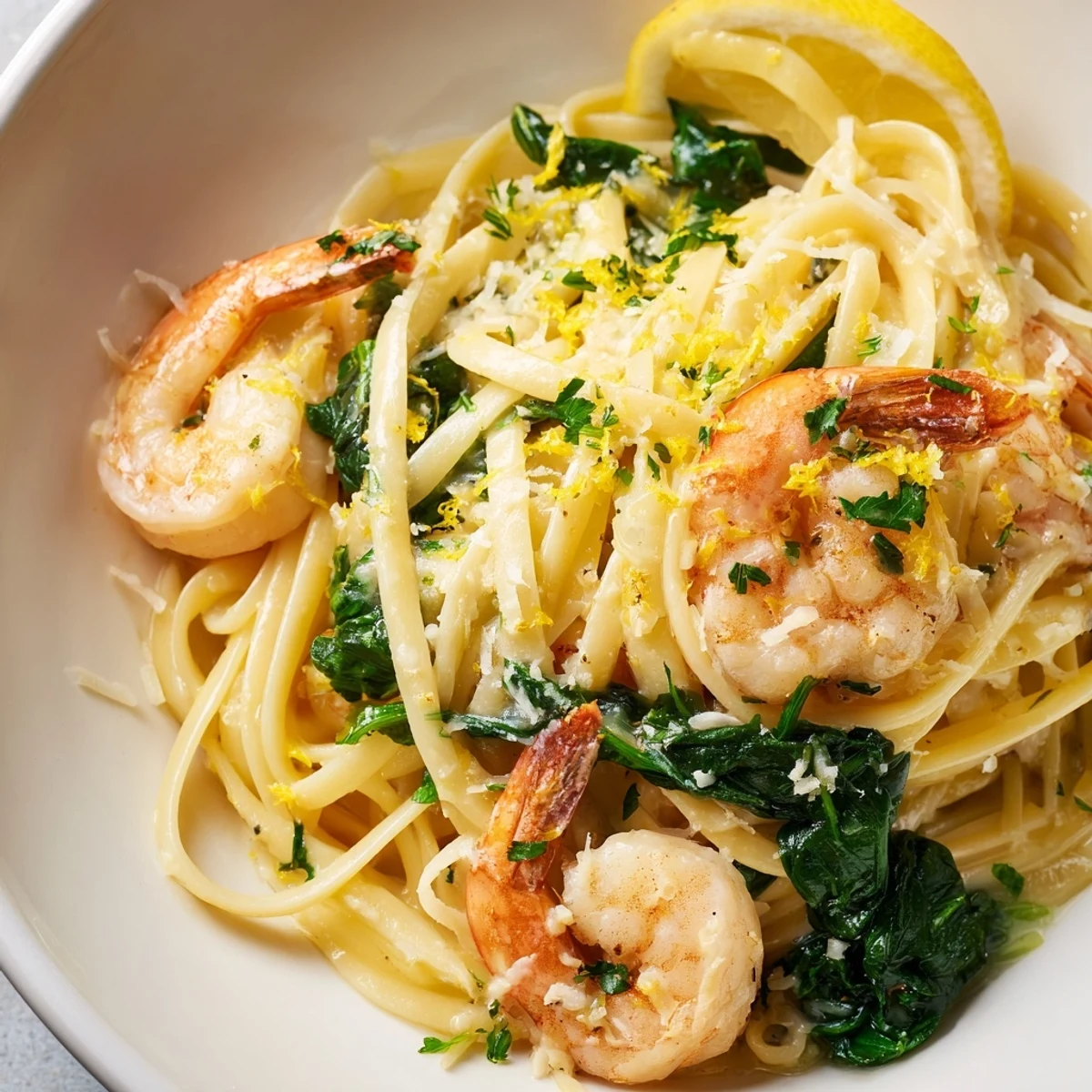
Save This dish combines succulent shrimp sautéed with minced garlic and a touch of red pepper flakes for subtle heat. Fresh baby spinach is gently wilted, then bright lemon zest and juice are added along with a light broth to create a zesty sauce. Tossed with linguine and finished with butter and Parmesan, this pasta delivers a silky, flavorful experience enhanced by parsley garnish and fresh lemon wedges.
Designed for quick preparation, it offers a balanced blend of citrus brightness and savory richness, perfect for a weeknight or casual dinner. Substitutions like whole-wheat pasta or gluten-free options can be used, and optional cream can add extra richness.
There's something about the smell of garlic hitting hot oil that stops me mid-breath every time. I discovered this pasta on a weeknight when I had exactly thirty minutes, hungry friends arriving, and the kitchen feeling like my only reliable option. The shrimp cooked so quickly, the lemon brightened everything, and suddenly I understood why this dish has become my go-to when I need to feel like I pulled off something special without the usual stress.
I made this for my sister on a random Tuesday when she called exhausted from work, and watching her face light up at that first bite—the way the bright lemon cut through the richness—reminded me that the best meals are the ones that feel effortless to receive, even when there's care in every step.
Ingredients
- Linguine or spaghetti (12 oz): The thinner strands catch and hold the lemon butter sauce better than thicker pastas, so you get flavor in every bite rather than sauce pooling at the bottom.
- Large shrimp (1 lb), peeled and deveined: Buy them thawed or thaw them yourself in cold water—frozen shrimp work just as well and taste identical once cooked.
- Olive oil (2 tbsp): Good quality matters here because it's not hidden in a long braise; use something you'd actually taste on bread.
- Fresh garlic (4 cloves), minced: Pre-minced garlic from a jar tastes tinny and flat, so spend the thirty seconds to mince fresh cloves yourself.
- Crushed red pepper flakes (¼ tsp, optional): This is my favorite secret—just enough to make people ask what's in there without any real heat.
- Fresh baby spinach (5 oz): It wilts down dramatically, so don't be scared by how much you're dumping in the pan.
- Lemon (1 large), zest and juice: Zest before you juice—once it's cut open, zesting becomes nearly impossible—and use a microplane if you have one because it makes a real difference in texture.
- Low-sodium chicken or vegetable broth (¼ cup): This keeps the sauce from becoming too acidic while the lemon still shines through.
- Unsalted butter (2 tbsp): It emulsifies with the pasta water to create that silky, restaurant-quality sauce that clings to every strand.
- Parmesan cheese (¼ cup), grated: Freshly grated melts smoothly into the sauce, while pre-grated versions stay grainy because of the anti-caking powder mixed in.
- Fresh parsley (2 tbsp), chopped: Adds a whisper of freshness at the very end—don't cook it into the dish or you lose that alive quality.
Instructions
- Start the pasta water and get organized:
- Fill your largest pot about three-quarters full with water, add a generous pinch of salt, and bring it to a rolling boil while you prep everything else. This is your moment to mince garlic, zest your lemon, and pat the shrimp completely dry—wet shrimp won't brown, they'll steam.
- Cook the pasta until just tender:
- Once the water is boiling vigorously, add pasta and stir it immediately so it doesn't stick. Follow the package time but taste it two minutes early because al dente means the pasta still has a tiny bit of resistance when you bite it, and that texture is everything.
- Sear the shrimp until they're opaque:
- While pasta cooks, heat your skillet over medium-high heat until a drop of water sizzles immediately on contact. Add oil, then shrimp in a single layer—let them sit undisturbed for a minute so they develop a golden crust, then flip and cook just until they turn from translucent to opaque.
- Build the aromatics and wilt the greens:
- In the same unwashed skillet, toss in minced garlic and red pepper flakes if using, stirring constantly for about thirty seconds until the raw garlic smell transforms into something rich and sweet. Dump in all the spinach at once—it looks like an impossible amount but watch as it collapses into barely a handful.
- Brighten with lemon and broth:
- Add lemon zest, lemon juice, and broth, then let everything simmer for just a minute so the flavors start talking to each other. You'll see the liquid reduce slightly and smell something that makes you understand why this dish works.
- Create the silky sauce:
- Turn the heat down low, add butter, and stir until it melts completely into the broth, creating something that looks almost glossy. This is where the magic happens—the starch from the pasta water you're about to add will turn this into a proper sauce.
- Bring it all together:
- Add your drained pasta and shrimp back to the skillet along with a splash of that reserved pasta water, tossing everything gently so it all gets coated evenly. Add more pasta water a little at a time until the sauce clings to the pasta like it was meant to.
- Finish with cheese and season to taste:
- Remove from heat, stir in the Parmesan, then taste and adjust—sometimes you'll want more lemon juice, sometimes a crack more pepper, sometimes just a whisper more salt.
- Plate and garnish:
- Divide among bowls and top each with fresh parsley, extra Parmesan if you're feeling generous, and a lemon wedge so people can add brightness to their own taste.
 Save
Save The first time someone said this tasted like a restaurant dish that took hours, and it took me ten minutes to make, I realized that technique and timing matter more than complexity. That's when cooking stopped feeling like a chore and started feeling like a small act of magic I could pull off on any ordinary Tuesday.
Why This Combination Works
Lemon and garlic are one of those rare pairings where each one makes the other taste brighter and more alive. The shrimp cooks so quickly that it acts like a blank canvas for the sauce, and the spinach adds earthiness that prevents the whole dish from feeling too sharp or one-dimensional. Pasta water becomes your secret emulsifier, transforming simple ingredients into something that tastes like it took real effort.
Making It Your Own
I've added white wine instead of broth, stirred in a splash of heavy cream for richness, thrown in roasted cherry tomatoes, and even subbed in arugula when I ran out of spinach—it always works because the foundation is so strong. The basic formula of garlic, acid, fat, and quick protein is flexible enough to welcome almost any vegetable you have on hand. Trust your instincts and taste as you go, because that's when you learn to cook instead of just following instructions.
Serving and Pairing
Serve this immediately while the sauce is still clinging to the pasta and the shrimp are warm—it doesn't improve sitting around, and it's meant to be eaten in that perfect moment right after plating. A crisp white wine like Sauvignon Blanc or Pinot Grigio cuts through the richness and echoes the lemon in a way that feels natural and celebratory without being fancy.
- A simple green salad with shallot vinaigrette alongside is all the company this dish needs.
- Crusty bread is non-negotiable for soaking up every drop of sauce.
- Save any leftovers but eat them cold the next day—reheating changes the texture of the shrimp and the delicate balance of the sauce.
 Save
Save This is the kind of dish that reminds you that elegant cooking doesn't require complicated ingredients or endless time—it just requires paying attention to what's in front of you. Once you've made it a few times, you'll find yourself making it on nights when you need to prove something, or when you just want to eat something that tastes like care.
Questions & Answers
- → What type of pasta works best for this dish?
-
Linguine or spaghetti are ideal as they hold the sauce well and complement the shrimp's texture.
- → Can I use frozen shrimp for this dish?
-
Yes, thaw frozen shrimp completely and pat dry before cooking to ensure even sautéing.
- → How can I make the sauce creamier?
-
Stirring in two tablespoons of heavy cream with the butter enriches the sauce for a creamier texture.
- → Is it possible to adjust the spice level?
-
Yes, the red pepper flakes are optional and can be reduced or omitted to suit your spice preference.
- → What garnishes enhance this dish?
-
Chopped fresh parsley and lemon wedges add color and fresh citrus notes to complement the flavors.