
 Save
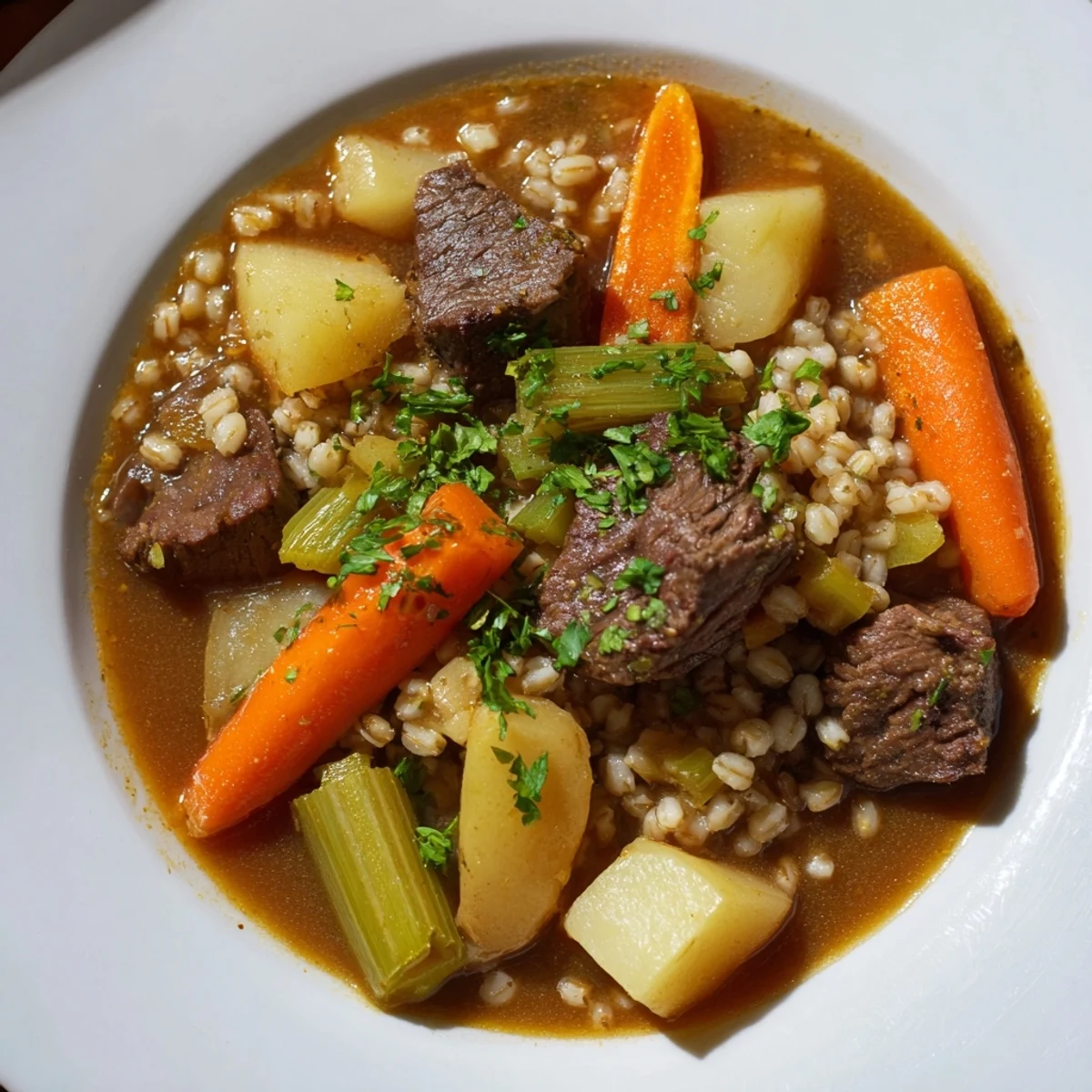
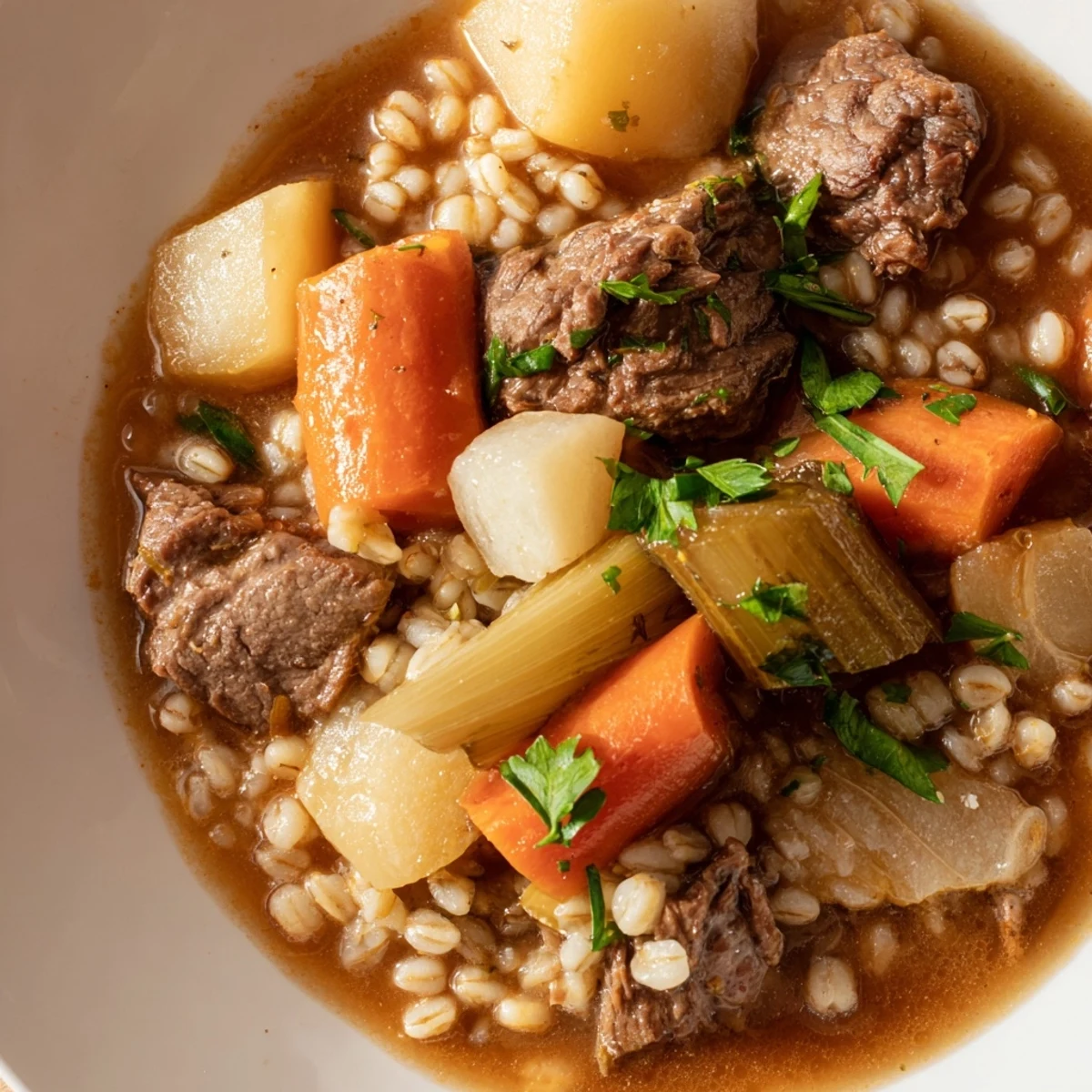
Save This Irish stew highlights tender beef chunks simmered with pearl barley and a medley of root vegetables. The beef is browned before slow-cooking in a rich broth infused with fresh thyme, bay leaves, and parsley, creating deep, hearty flavors. The addition of barley adds a nutty texture that complements the root vegetables and savory beef. This dish is perfect for warming up on cooler days and pairs well with crusty bread for a wholesome meal.
The first time I made Irish stew, it was a completely miserable rainy Sunday in March and I needed something that would fill the entire house with warmth. My grandmother had always talked about how proper stew needs time more than anything else, but I was impatient and kept lifting the lid every ten minutes. Now I understand that those two hours of barely-there simmering are what transform a regular soup into something that feels like a hug.
Last winter I made a double batch for my brother who was recovering from surgery, and he told me later that the smell of it simmering was the first thing that made him feel like life would get back to normal. There is something incredibly grounding about a stew that has been cooking slowly, the way the beef becomes tender and the vegetables almost melt into each other.
Ingredients
- 2 lbs beef chuck: Chuck has the perfect amount of marbling to break down beautifully during long simmering, and cutting it into uniform cubes ensures everything cooks evenly
- 2 tbsp all-purpose flour: This creates a light coating on the beef that helps develop a deeper crust during searing and naturally thickens the stew as it cooks
- 2 large onions: Yellow onions become sweet and mellow after cooking down, forming the flavor foundation of the entire broth
- 3 large carrots and 3 parsnips: The carrots add sweetness while parsnips contribute an earthy, slightly spicy note that balances the rich beef
- 3 medium potatoes: Russet or Yukon Gold hold their shape through long cooking while releasing enough starch to give the stew body
- ¾ cup pearl barley: Rinse thoroughly before adding to remove excess starch, and it will swell to become tender and slightly chewy
- 6 cups beef broth: Use a good quality broth or stock since it provides the majority of the flavor, and low-sodium lets you control the seasoning
- Fresh thyme and parsley: Fresh herbs make a noticeable difference here, with thyme adding earthiness and parsley providing a bright finish
Instructions
- Prepare the beef:
- Pat the cubes completely dry with paper towels, then toss them with flour, salt, and pepper until evenly coated. This simple step creates a beautiful brown crust and prevents the meat from stewing in its own juices.
- Sear the beef:
- Heat the oil in your Dutch oven over medium-high heat until it shimmers, then brown the beef in batches without crowding the pot. Take your time here because those browned bits on the bottom become flavor gold.
- Build the vegetable base:
- Cook the onions for about three minutes until they soften, then add the garlic for just one minute before stirring in all the root vegetables. This layering technique develops depth at every stage.
- Combine and simmer:
- Return the beef to the pot, then add the barley, bay leaves, thyme, and broth before bringing everything to a gentle boil. The house will start smelling amazing already.
- Let it cook slowly:
- Reduce the heat to low, cover tightly, and let it simmer for an hour and a half, giving it an occasional gentle stir. The patient low heat is what transforms tough meat into something fork-tender.
- Finish with attention:
- Remove the lid for the last thirty minutes to let the excess liquid evaporate and the flavors concentrate. Discard the bay leaves, stir in fresh parsley, and taste before adjusting the seasoning.
 Save
Save This recipe became my go-to for bringing meals to new parents and sick friends because it travels beautifully and reheats without losing anything. Something about a home-cooked stew says you care in a way that restaurant food never can.
Making It Your Own
The traditional Irish version uses lamb instead of beef, and both are wonderful in their own way. Lamb has a distinctive, slightly gamey flavor that pairs beautifully with the root vegetables, while beef gives you a richer, more familiar taste. Either way, the long slow cooking is what makes it special.
Timing Matters
The barley needs a full two hours to become completely tender while still holding its shape. Adding it too late leaves it chewy and unappealing, and that texture contrast can ruin an otherwise perfect bowl of stew.
Serving Suggestions
Crusty bread is absolutely essential for sopping up every last drop of the broth. A dark Irish soda bread or a simple peasant loaf with a thick crust works perfectly.
- Consider adding a cup of Guinness with the broth for a deeper, darker flavor
- A splash of vinegar right before serving brightens all the rich flavors
- Leftovers keep for four days and freeze beautifully for up to three months
 Save
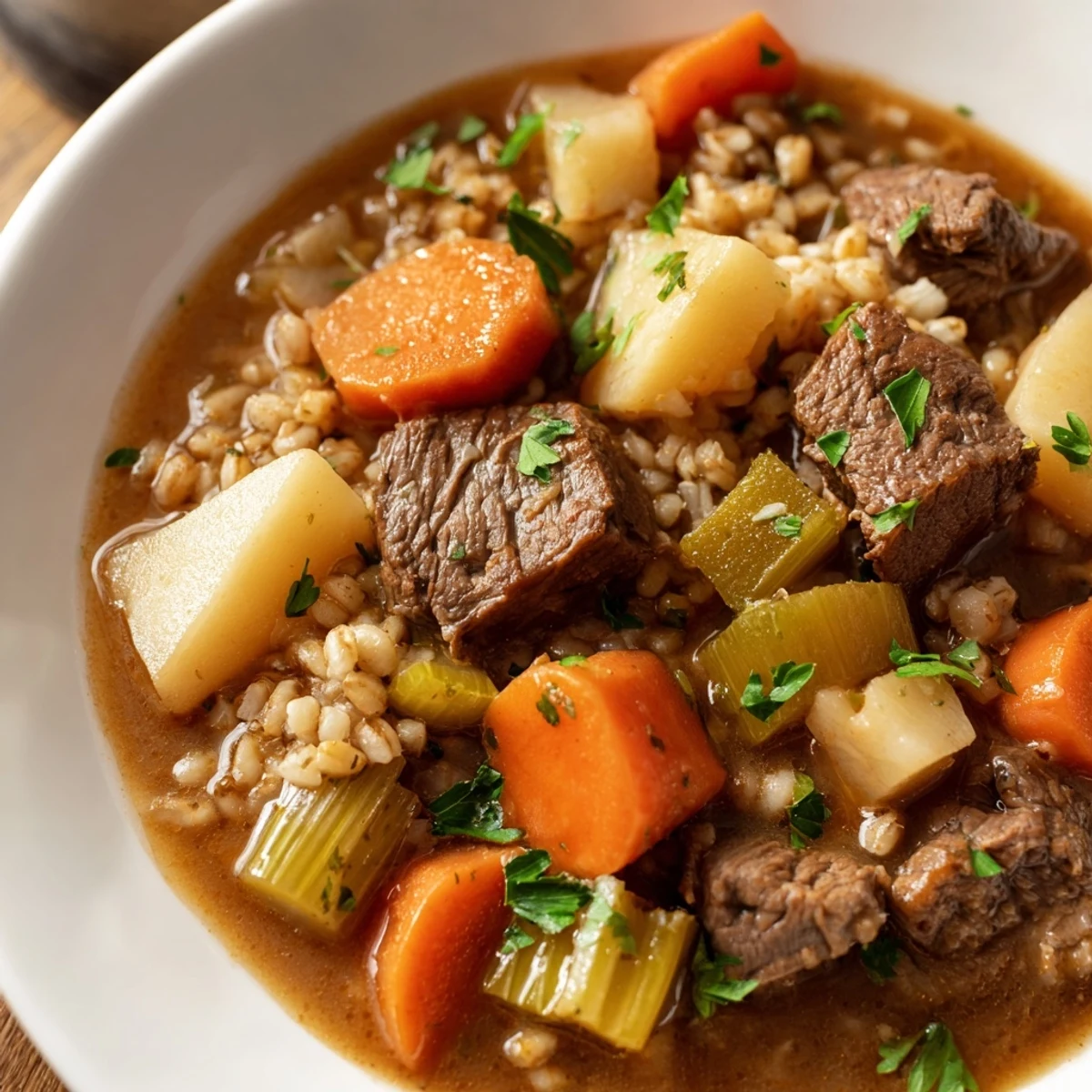
Save There is nothing quite like lifting the lid after two hours and seeing that the broth has thickened and everything has melded into something greater than the sum of its parts.
Questions & Answers
- → What cut of beef works best for this dish?
-
Beef chuck is ideal due to its marbling and ability to become tender when slow-cooked. It absorbs flavors well and stays juicy.
- → Can I substitute barley if someone has gluten intolerance?
-
Yes, use gluten-free grains like quinoa or certified gluten-free oats to maintain texture without gluten.
- → How can I enhance the flavor of the broth?
-
Adding a cup of Guinness stout or using homemade beef broth deepens the richness and adds complexity.
- → What is the best way to thicken the stew naturally?
-
Simmering uncovered for the final 30 minutes concentrates the broth, while flour coating the beef cubes helps create a slight thickening.
- → Can I swap the beef for another protein?
-
Lamb can be used for a more traditional Irish touch, offering a different but equally rich flavor profile.
- → How should this dish be served for best results?
-
Serve hot with chopped fresh parsley on top and crusty bread on the side to soak up the flavorful broth.