
 Save
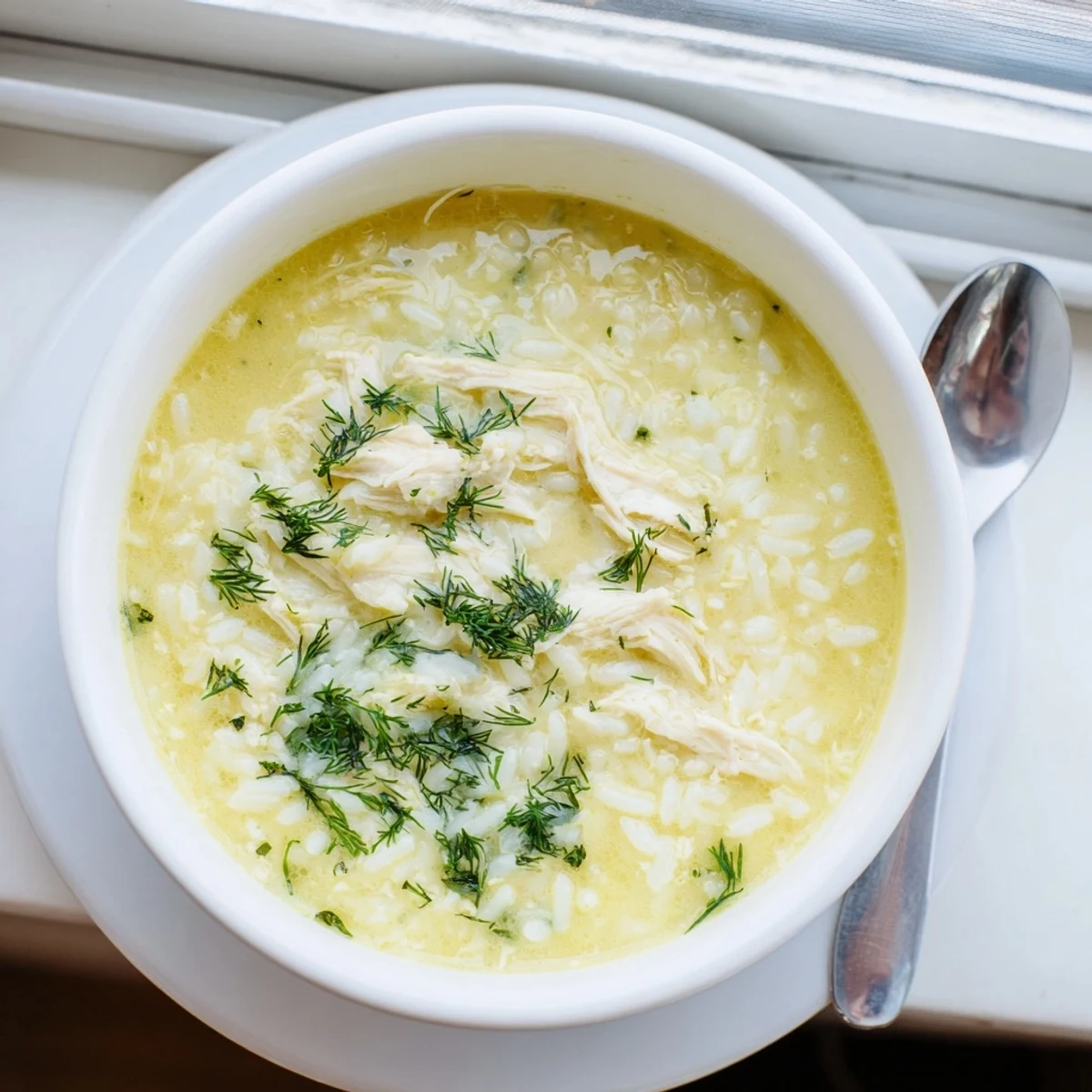
Save This traditional Greek avgolemono combines tender shredded chicken and fluffy rice in a velvety broth enriched with eggs and bright lemon juice. The signature avgolemono technique creates a luxurious, creamy texture without heavy cream, while fresh dill adds herbaceous notes.
Perfect for cold weather or when you need something nourishing yet light, this soup comes together in under an hour. The key is tempering the egg-lemon mixture properly to achieve that signature silky consistency that makes avgolemono so beloved across Greece.
The first time I had avgolemono was at a tiny family-run taverna in Athens, where the owner's grandmother brought out a steaming bowl that looked simple but tasted like sunshine. That bright, creamy lemon-egg liaison has haunted my kitchen ever since. It's the soup that makes you believe something magical can happen with just chicken, rice, and eggs.
I made this for a sick friend last winter and watched them go from barely able to sit up to asking for seconds. The way the steam rises with that unmistakable lemon fragrance feels like healing itself. She still texts me whenever she makes it now, saying her whole apartment smells like a Greek kitchen.
Ingredients
- 1 lb boneless chicken breasts or thighs: I prefer thighs for their extra richness, but breasts work beautifully and make the broth lighter
- 8 cups low-sodium chicken broth: Starting with good broth matters, but the real depth builds as the chicken poaches in it
- 1 small onion and 2 cloves garlic: Finely chopped so they melt into the broth rather than chunky bits
- 1/2 cup uncooked white rice: Short or medium-grain becomes creamy and almost risotto-like in the soup
- 3 large eggs: Room temperature eggs incorporate more smoothly into the hot broth
- 1/3 cup freshly squeezed lemon juice: This is non-negotiable—bottled juice cannot replicate the bright, fresh flavor
- Salt, pepper, and fresh herbs: Dill is traditional but parsley works, and both add a fresh finish
Instructions
- Build the base:
- Combine chicken, broth, onion, garlic, and salt in your largest pot. Let it come to a gentle boil over medium-high heat, watching as the broth turns fragrant and golden.
- Cook the chicken:
- Reduce heat to a steady simmer, cover, and let it cook for 15 to 20 minutes until the chicken is cooked through. Remove it and set it aside on a plate.
- Cook the rice:
- Drop the rice into that flavorful simmering broth and let it cook uncovered for about 15 minutes, stirring occasionally, until tender. While this happens, shred your chicken with two forks into bite-size pieces.
- Make the magic mixture:
- Whisk together your eggs and lemon juice in a medium bowl until completely smooth. This is going to transform your soup.
- Temper the eggs:
- This is the moment that matters—gradually ladle about 1 cup of hot broth into the egg mixture while whisking constantly. If you pour too fast or stop whisking, you'll end up with scrambled eggs instead of silky soup.
- Combine everything:
- Slowly pour that tempered mixture back into your pot, stirring gently. Return the shredded chicken, heat over low for just 2 to 3 minutes until it thickens slightly, and taste for salt and pepper. Garnish generously with herbs.
 Save
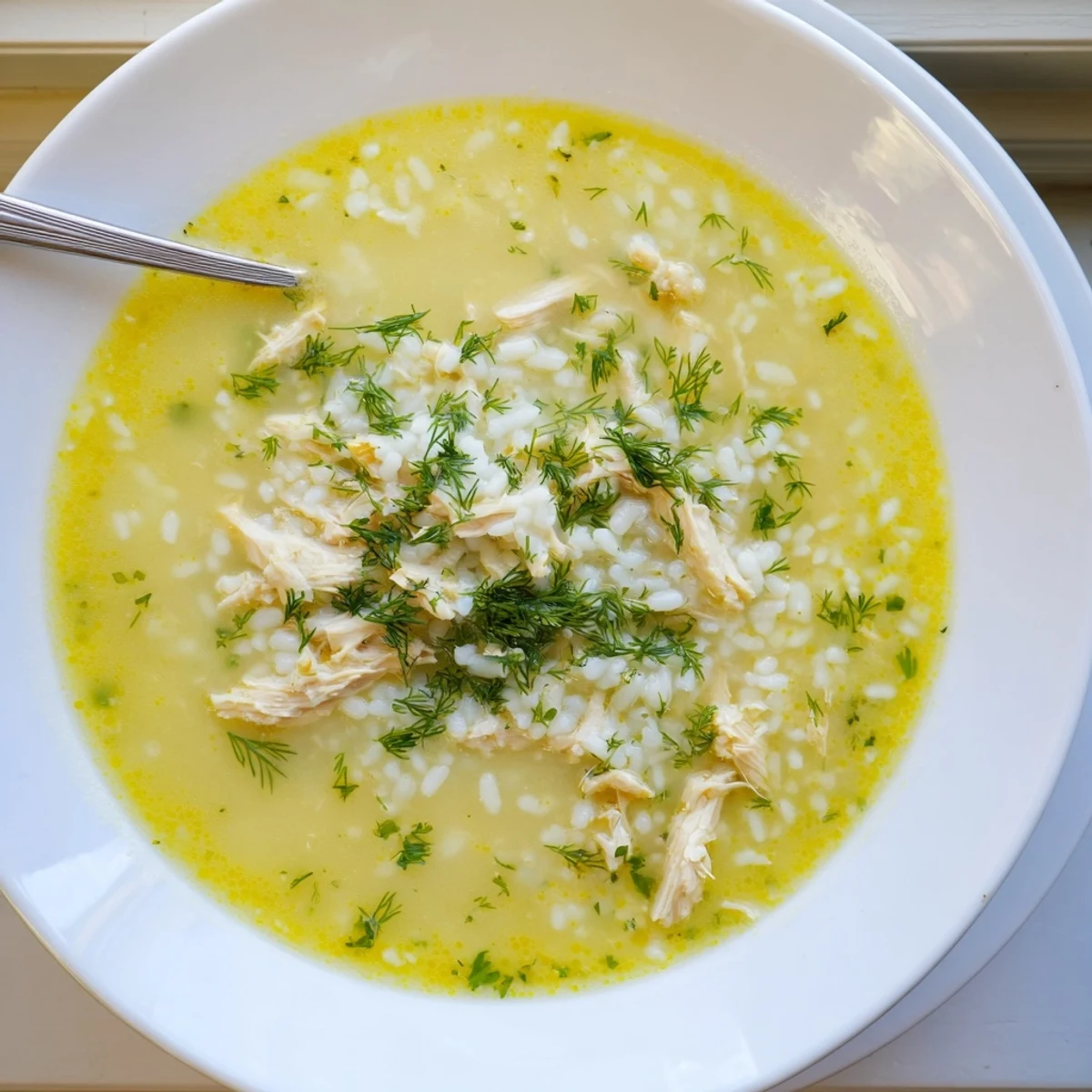
Save My Greek neighbor told me that in her village, avgolemono is what everyone makes for weddings and funerals alike—its the soup that marks both joy and loss. That's stayed with me. The soup feels ceremonial, like a bowl of comfort that transcends occasion.
Making It Your Own
Once you master the basic technique, the variations are endless. I've added orzo instead of rice when I wanted something closer to a traditional Greek diner style. A bay leaf and a few peppercorns simmering with the chicken adds restaurant-quality depth. Some cooks even add a splash of olive oil at the end for extra silkiness.
Serving Suggestions
Warm crusty bread is non-negotiable for soaking up every drop. A simple green salad with a bright vinaigrette cuts through the richness nicely. In Greece, you might see it served alongside olives and feta, turning a humble soup into a complete meal.
Perfecting The Texture
The rice will continue absorbing liquid, so if you like a thinner soup, add a splash more broth before serving. The tempering technique works better with room temperature eggs—if you forget to take them out early, briefly warm the bowl in hot water first.
- Short-grain rice gives a creamier result, but long-grain works if that's what you have
- If your soup seems too thick, thin with warm broth rather than water
- Leftovers can be eaten cold, though the texture will be different—some people actually prefer it chilled
 Save
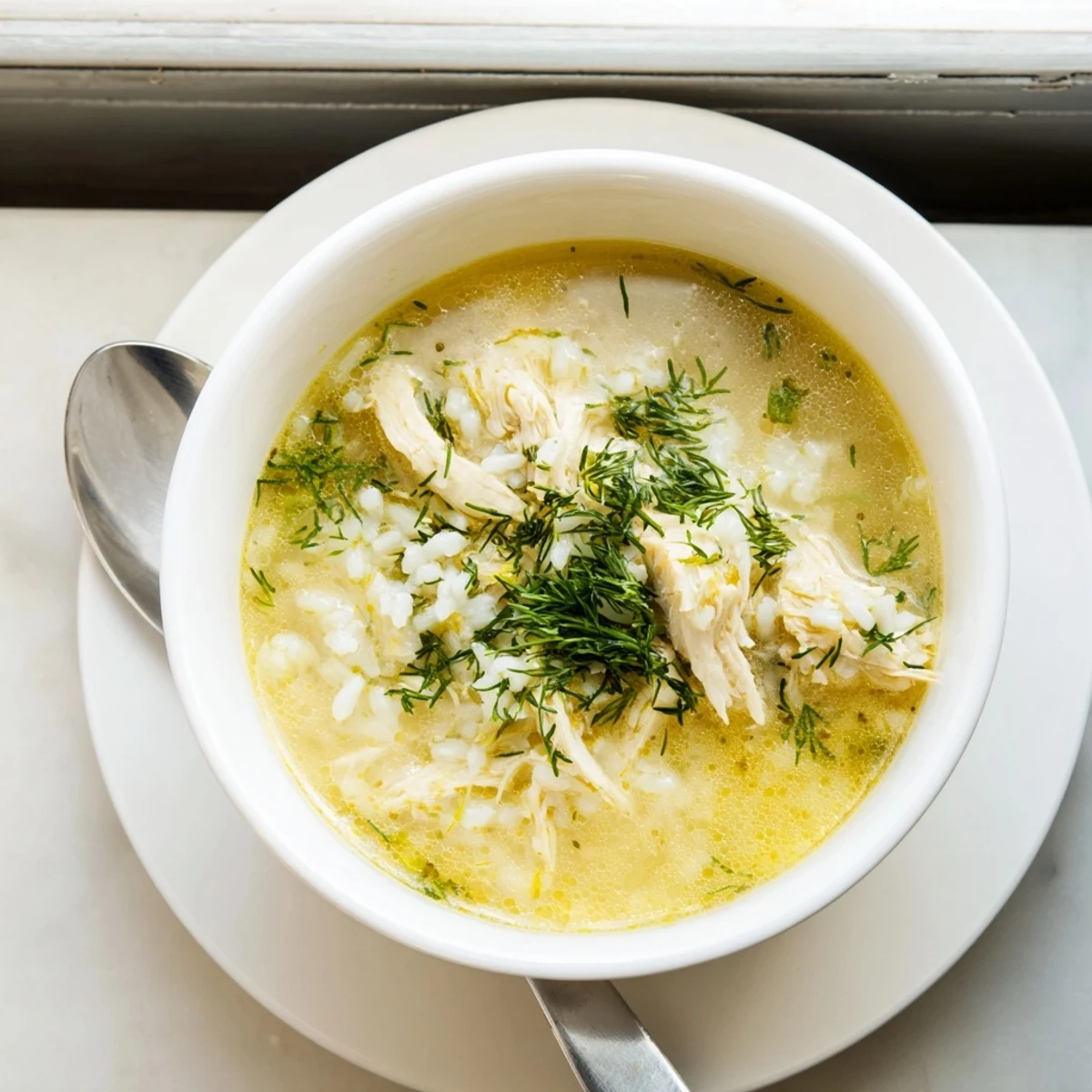
Save There is something deeply satisfying about making a soup that has comforted generations of Greek families. Once you taste that first creamy, bright spoonful, you will understand why this recipe has stood the test of time.
Questions & Answers
- → What does avgolemono mean?
-
Avgolemono translates to 'egg-lemon' in Greek, referring to the signature mixture of eggs and lemon juice that creates the soup's distinctive silky, creamy broth without using cream.
- → How do I prevent the eggs from curdling?
-
The secret is tempering: slowly whisk about 1 cup of hot broth into the egg-lemon mixture before adding it back to the pot. This gently raises the temperature of the eggs without cooking them into curds.
- → Can I make this soup ahead of time?
-
While best enjoyed fresh, you can prepare the chicken and broth base in advance. Add the avgolemono mixture just before serving, as reheating may cause the broth to thin slightly.
- → What rice works best for avgolemono?
-
Short or medium-grain white rice is traditional, as it releases starch into the broth for a naturally creamy texture. Arborio or orzo are excellent alternatives for even more richness.
- → Is avgolemono soup gluten-free?
-
Naturally gluten-free when made with rice or orzo and verified gluten-free broth. Always check packaged ingredients to ensure no hidden gluten-containing additives.
- → Can I use a whole chicken instead of breasts?
-
Absolutely. Simmering a whole chicken yields richer broth, and you can use both white and dark meat. Just adjust cooking time to ensure the chicken is fully cooked through before shredding.