
 Save
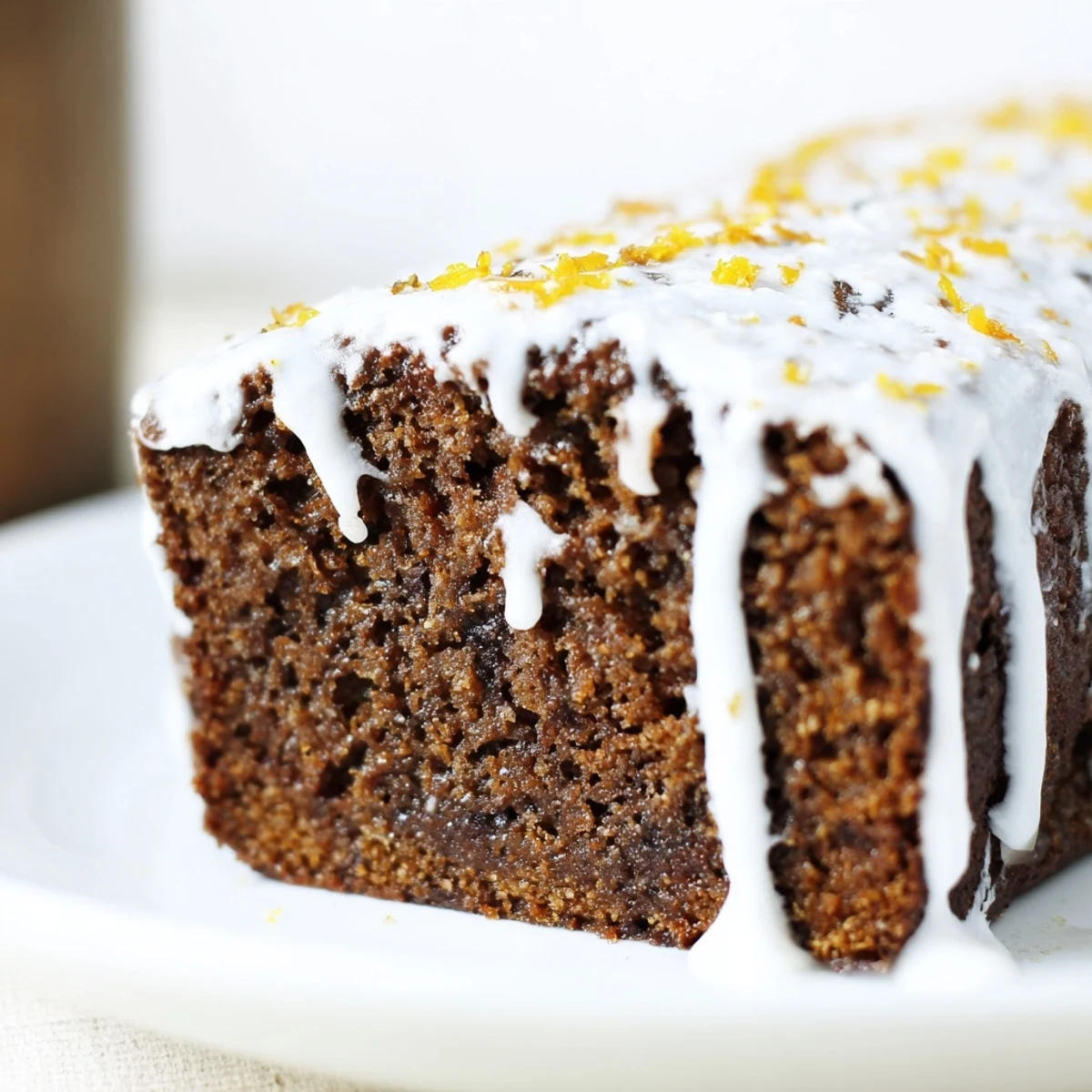
Save This gingerbread loaf combines warm spices like ginger, cinnamon, and cloves with a tender, moist texture. The vibrant orange icing adds a fresh citrus finish, creating a balanced sweet and zesty flavor. Perfect for holiday gatherings, the loaf is baked until golden and topped with a smooth icing made from powdered sugar, fresh orange juice, and zest. Easy to prepare and delightful to share, it pairs wonderfully with black tea or mulled wine.
My kitchen smelled like a winter market the moment those spices hit the mixing bowl—ginger, cinnamon, cloves all at once, warm and almost honeyed. I was hunting for something to bring to a neighbor's gathering one December, something that felt both special and effortless, and this gingerbread loaf arrived like an old friend I'd forgotten I knew. The molasses gives it this deep, almost mysterious richness, and the orange icing on top keeps it from ever feeling heavy or too sweet. It's become my reliable answer to "what should I bring?"
I'll never forget watching my sister's face when she bit into a slice while we were wrapping gifts one afternoon. She closed her eyes for a moment, and I could see her mentally filing away the taste, the way you do with things that matter. That loaf became tradition after that—every December now, someone asks if I'm making "the gingerbread" before I've even mentioned it.
Ingredients
- All-purpose flour (1½ cups): The foundation here—you want it measured by weight if possible, as scooping and leveling makes a real difference in how tender your crumb turns out.
- Baking soda (1 tsp): This reacts with the molasses to give you that soft, pillowy texture rather than a dense brick.
- Salt (¼ tsp): A small amount anchors all those spices so they don't taste muddled together.
- Ground ginger (1½ tsp): Buy this fresh if your jar is older than six months—stale spices will let you down here.
- Ground cinnamon (1 tsp): The warm backbone of the whole thing, the spice that makes people instantly think of winter.
- Ground cloves (¼ tsp): Just enough to add complexity without announcing itself—cloves can easily overpower if you're not careful.
- Ground nutmeg (¼ tsp): The secret ingredient that people taste but never quite name, it adds a gentle warmth underneath everything.
- Unsalted butter (½ cup, softened): Softness is key here—if it's straight from the fridge, your mixture won't cream properly and you'll end up with a denser crumb.
- Brown sugar (½ cup, packed): Pack it down gently in your measuring cup; this adds moisture and that subtle molasses note even before the actual molasses hits the bowl.
- Large eggs (2): Room temperature eggs blend in more smoothly, creating a lighter batter.
- Molasses (½ cup): This is where the soul of the recipe lives—it's what makes it feel dark and serious and utterly satisfying.
- Milk (½ cup): Brings everything together and keeps the loaf moist for days.
- Vanilla extract (1 tsp): A small gesture that rounds out all those heavy spices.
- Powdered sugar (1 cup, sifted): Sifting matters here because lumps in your icing are a disappointment when you're drizzling.
- Fresh orange juice (2–3 tbsp): Freshly squeezed makes all the difference—bottled juice can taste a bit flat alongside those warm spices.
- Orange zest (1 tsp, finely grated): This adds visual texture and a burst of brightness that keeps the whole thing from feeling heavy.
Instructions
- Prepare your stage:
- Preheat your oven to 350°F and take a moment to properly grease and line your loaf pan with parchment—this simple step saves you from frustrated crumbling later. Let your butter and eggs sit out while the oven comes to temperature; cold ingredients don't mix as gracefully.
- Build your spice blend:
- Whisk the flour, baking soda, salt, and all four spices together in a medium bowl until you can't see any streaks of one spice dominating another. This even distribution is what prevents any single spice from shouting too loudly in the final loaf.
- Cream the butter and sugar:
- Beat them together for about three minutes until the mixture looks pale, fluffy, and almost doubled in volume. This is where air gets incorporated, and that air becomes the tender crumb you're after.
- Add the eggs one at a time:
- Let each egg fully disappear into the butter mixture before adding the next one—this takes patience, but it ensures they emulsify properly rather than sitting in clumps. If your mixture looks a little broken or separated, don't panic; a tablespoon of your flour mixture will bring it back together.
- Introduce the molasses, milk, and vanilla:
- Stir these in gently until everything is smooth and evenly colored, which takes maybe a minute of stirring. The mixture will go from stiff to glossy, and that's exactly what you want.
- Fold in the dry ingredients:
- Add the flour mixture slowly and mix only until you can't see streaks of dry flour anymore. This is where people make the mistake of overmixing; stop as soon as it comes together, or your loaf will be tough.
- Pour and smooth:
- Transfer the batter into your prepared pan and use the back of a spoon or an offset spatula to even out the top so it bakes uniformly. A smooth top also bakes more evenly than a lumpy one.
- Bake until golden and set:
- Bake for 45–55 minutes, depending on your oven's personality and altitude. The toothpick test is your friend here—it should come out clean or with just a few moist crumbs clinging to it, not wet batter.
- Cool with intention:
- Let the loaf rest in the pan for 10 minutes (this prevents it from falling apart), then turn it out onto a wire rack and let it cool completely before icing. Warm loaf plus icing equals a runny mess.
- Make the orange icing:
- Sift the powdered sugar into a bowl and slowly whisk in the orange juice and zest until you reach a consistency that drizzles smoothly but still clings to the loaf. If it's too thick, add juice drop by drop; if it's too thin, sift in a bit more sugar.
- Finish with a flourish:
- Drizzle the icing generously over the cooled loaf in whatever pattern feels right, then let it set for an hour or so before slicing. This setting time lets the icing firm up just enough that it doesn't smear on the knife.
 Save
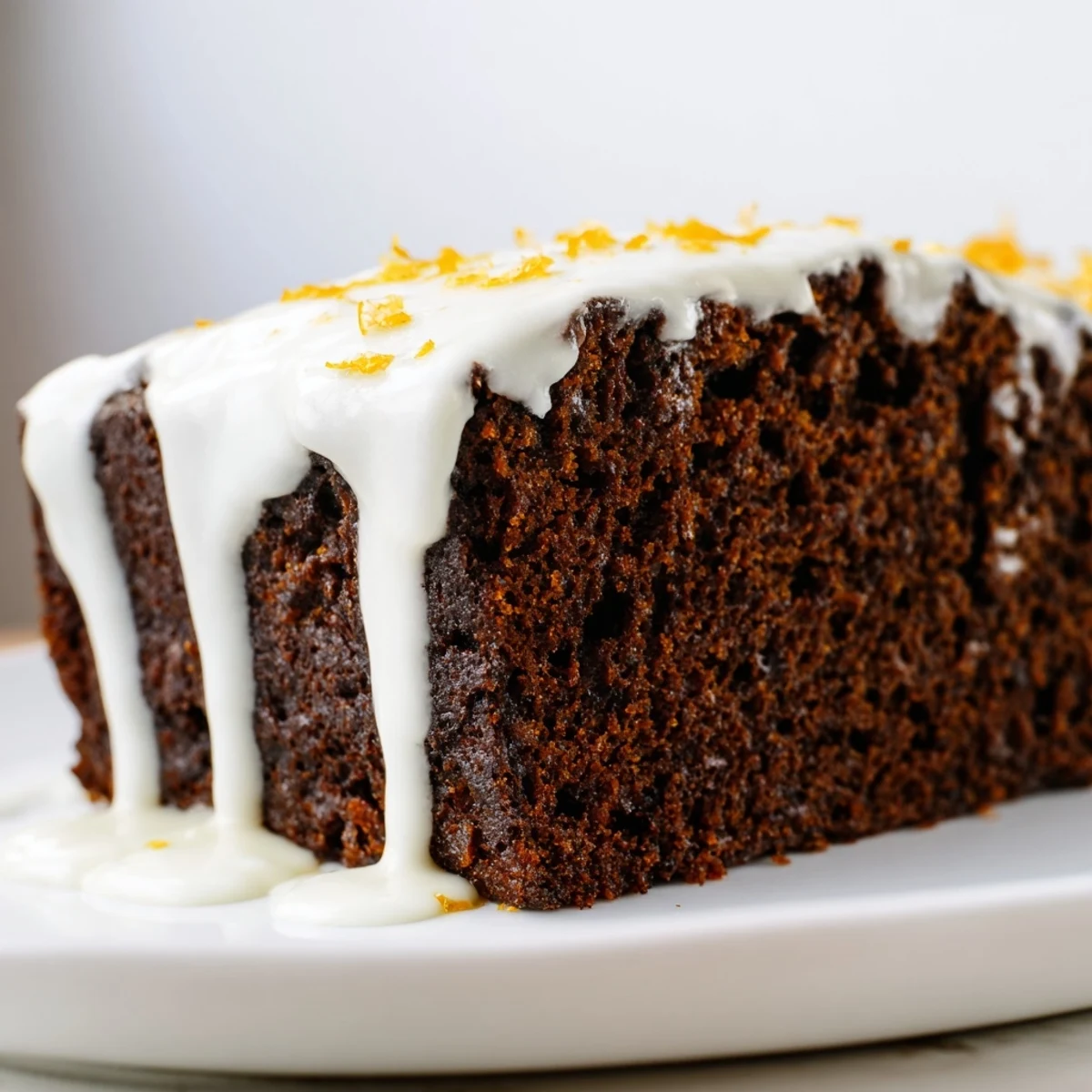
Save There's a particular comfort in slicing into a loaf that's cooled just right, seeing how tender and even the crumb is, knowing that something so simple turned out so completely right. It's the kind of thing that makes you feel like you know what you're doing in the kitchen, even if moments before you were second-guessing the whole endeavor.
When to Serve This Loaf
This gingerbread is at its best in late autumn or any moment winter decides to arrive, but honestly, it works for unexpected gatherings any time of year. Pair it with black tea on a quiet morning, or bring it to an afternoon gathering where people linger a little longer than they planned. It's equally at home on a Christmas dessert table or wrapped in pretty paper as a gift that says "I made something for you."
Ways to Make It Your Own
The beauty of this recipe is how willing it is to accommodate your preferences without losing its identity. You can fold in a tablespoon of finely chopped crystallized ginger for extra warmth and texture, or substitute half of the all-purpose flour with whole wheat flour if you want a nuttier, slightly earthier crumb. Some people add a pinch of black pepper or swap the orange icing for a simple cream cheese frosting, and both directions feel completely right.
Storage and Keep
Wrapped tightly, this loaf keeps fresh for four or five days on the counter, though honestly it rarely lasts that long. You can also freeze it for up to three months—either the whole loaf before icing, or slices after, depending on how you want to thaw and serve it.
- Store it cut-side down on a cutting board covered with a kitchen towel, or wrap the whole loaf in plastic wrap and aluminum foil for longer keeping.
- If you're bringing it somewhere, wait to ice it until just before you leave, or pack the icing in a small jar and let people drizzle it fresh—somehow it always tastes a little better that way.
- Warm a slice gently in the oven or toaster oven before serving if you want to bring back some of that fresh-baked softness, but honestly, room temperature slices with good tea are perfect as they are.
 Save
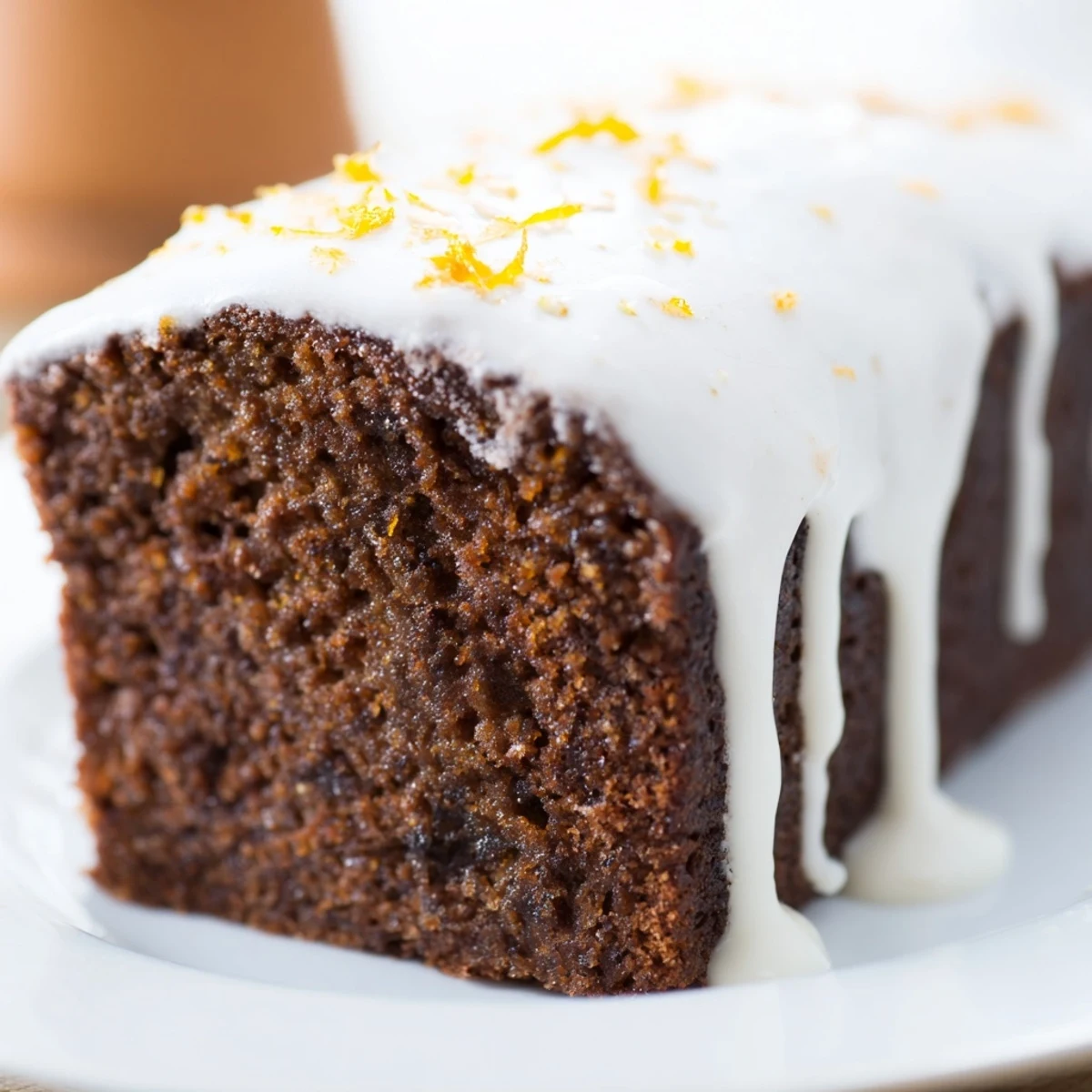
Save This loaf has become my answer to so many kitchen moments—a gift, a quiet breakfast, something to bring when I want people to know I was thinking of them. It's the kind of recipe that feels like it's been in your family forever, even the first time you make it.