
 Save
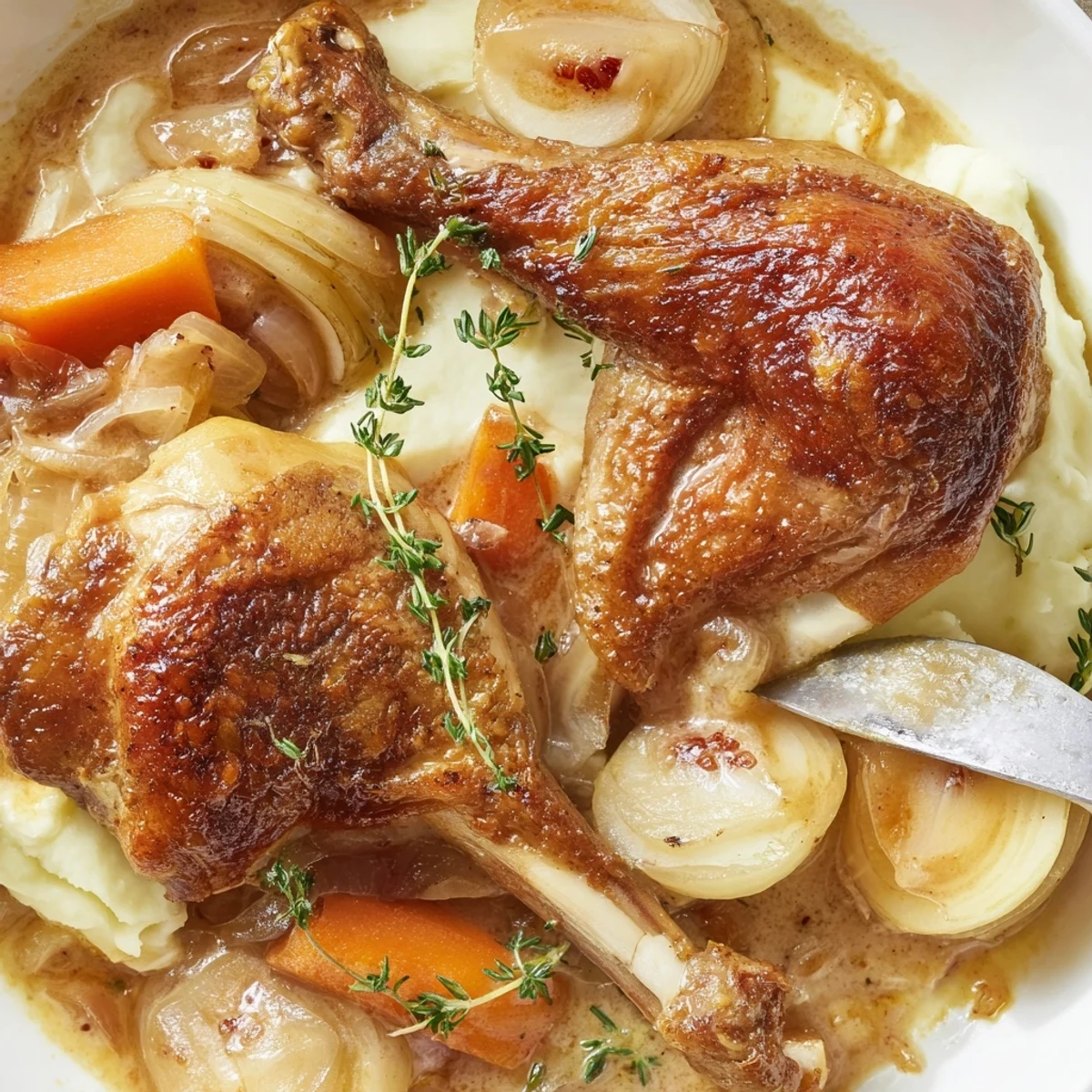
Save Brown seasoned bone-in chicken in oil and butter, then set aside. Sauté onions, carrots and garlic, sprinkle with flour and cook briefly. Deglaze with Calvados if using, add dry cider and stock, then return chicken with apple slices, bay and thyme. Simmer, transfer to the oven covered until tender. Stir in cream, bake uncovered to slightly thicken the sauce, adjust seasoning and serve hot with potatoes or crusty bread.
The first time I made French Chicken Casserole à la Normande was on a rainy afternoon when the kitchen windows fogged up and the sound of apples sizzling in butter filled the air. There wasn&apost any grand occasion — just the craving for something honest, deeply flavored, and a little bit luxurious. My friend had brought over a bottle of dry cider from Normandy, which became the star of the sauce with a whiff of sharp apple. There was a moment when I realized how the combination of cider, chicken, and apples could change the whole mood of an evening.
One autumn evening, I made this casserole for friends after we&apost seen each other in months. As we crowded around the stove, the smell drew everyone closer, and the golden crust of chicken pieces lifted spirits. I remember my hands getting busy peeling apples while my friend sliced the bread, both laughing at how much steam the oven let out when the lid came off. It was a dinner that felt rustic but special at the same time.
Ingredients
- Bone-in, skin-on chicken pieces: Going for thighs, drumsticks, or mixed pieces gives juicier results — definitely pat them very dry to get a good sear.
- Onions and carrots: Slice both thin so they melt into the sauce; I learned that chunkier cuts feel more rustic if that&aposs your style.
- Tart apples (such as Granny Smith): Don&apost skip this — the surprise hit of tangy-sweet apples really makes this dish taste of Normandy countryside.
- Garlic cloves: Mincing them lets the aroma bloom in butter when you start the base.
- Dry cider: French cider if you can, but any dry apple cider works — it seasons the whole pot with autumn flavors.
- Chicken stock: Adds depth, especially if your cider is on the sweeter side.
- Heavy cream: Stirring it in right at the end gives the sauce that luscious, restaurant gloss.
- Calvados (optional): Just a splash makes the kitchen smell incredible; if you&aposs skipping the alcohol, use more stock or cider.
- All-purpose flour: Helps thicken things up — I&aposve swapped in gluten-free flour without trouble.
- Unsalted butter and olive oil: Sear and saute in a mix to balance richness and prevent burning.
- Bay leaf and fresh thyme: Bundle the thyme with kitchen twine for easy removal; both add gentle herbal notes that sneak into every bite.
- Salt and freshly ground black pepper: Season more generously than you think at the start — the long simmer mellows everything out.
Instructions
- Set the Stage:
- Preheat your oven to 180°C (350°F) and let your Dutch oven warm up as you gather everything. You&aposll hear a satisfying sizzle as you start.
- Prep and Season Chicken:
- Pat the chicken pieces dry (no shortcuts here), sprinkle salt and pepper generously, and take a moment to appreciate their golden potential.
- Browning the Chicken:
- Heat olive oil and a chunk of butter, then brown chicken in batches; the sound should be a crisp hiss, not a splatter, and each piece gets a caramelized hug.
- Sauté the Vegetables:
- Add the rest of the butter, drop in onions, carrots, and garlic, then stir — sweet, earthy smells will float up quickly as everything softens.
- Build the Base:
- Sprinkle flour and cook for just a minute (watch closely, it can burn); pour in Calvados if you&aposre using it, swirling to scrape up brown bits.
- Add Liquids and Chicken:
- Pour in cider, then chicken stock, stirring all the while, before nestling your browned chicken pieces back into the pot with apples, bay leaf, and thyme scattered around.
- Bake Gently:
- Once simmering, cover tightly and slide into the oven; let it gently bubble away for 50 minutes while you steal a moment to clean or relax.
- Creamy Finish:
- Take the lid off, pour the cream in, and return to the oven uncovered — the sauce will thicken and turn glossy in about 10-15 minutes.
- Tidy and Taste:
- Remove thyme and bay leaf, have a quick taste for salt and pepper, and adjust as needed while letting the sauce rest a minute.
- Serve and Enjoy:
- Plate everything up while it&aposs bubbling and hot, scattering fresh thyme over for a burst of color and aroma.
 Save
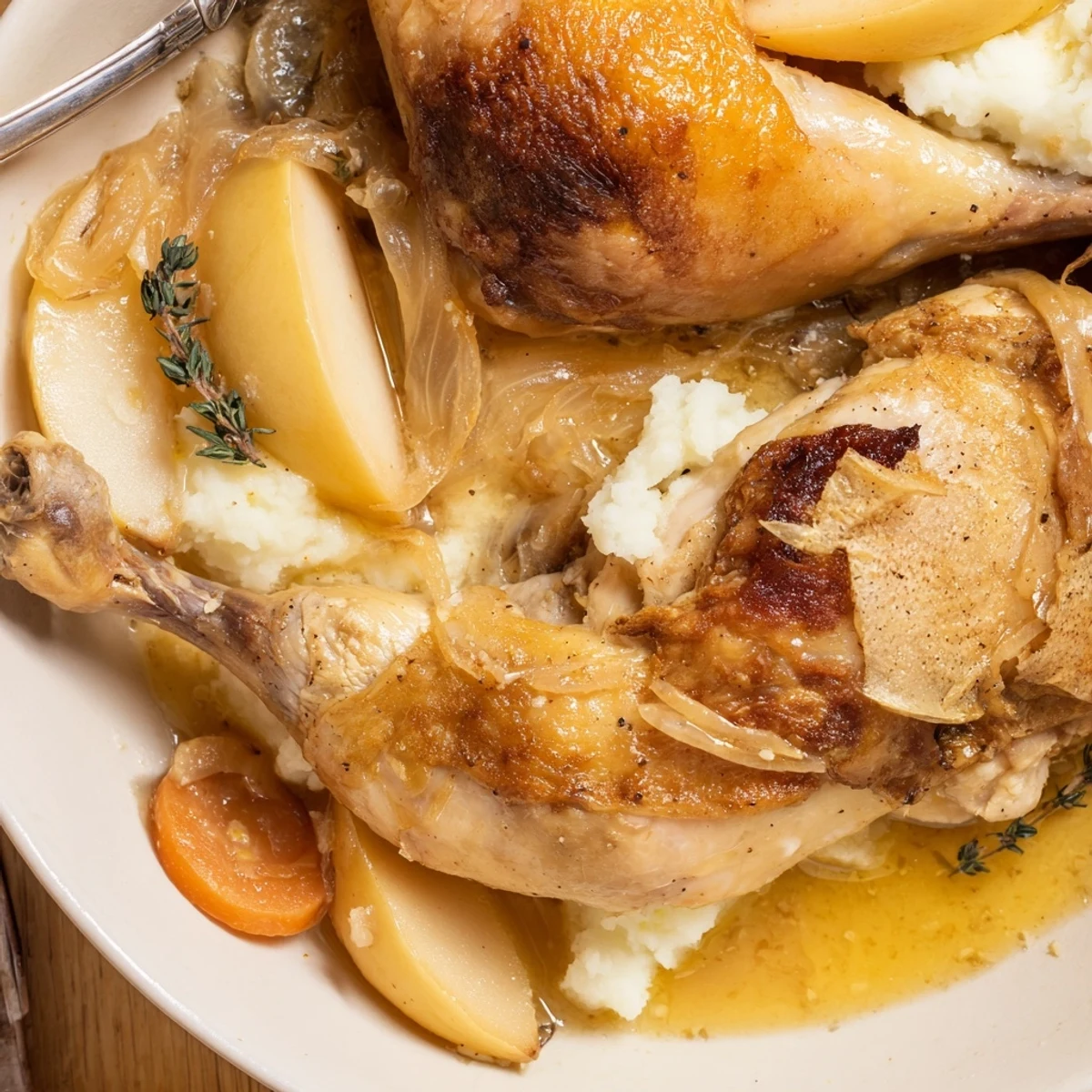
Save When I watched my guests dip pieces of baguette into the creamy cider sauce, conversation faded and every face had that look you get when something truly delicious is happening. The leftovers (barely any) were fought over for next-day lunches, and that was the moment I realized this casserole was more than just a cozy meal — it became a new table tradition, one bubbling pot at a time.
Pairing Ideas Worth Trying
With the sauce so silky and tangy, this casserole cries out for something soft and starchy on the side. Mashed potatoes, a buttery baguette, or wide egg noodles all welcome that apple-cider gravy. I&aposeven folded it into a leftover sandwich with arugula for lunch. If you want to go all in, pour a glass of the same cider you use in the dish — it&aposs a simple move that ties everything together.
Making It Gluten or Dairy Free
I&aposve cooked this one for all sorts of dietary needs, and the swaps are simple. Use gluten-free flour (I like a cup-for-cup blend) and double-check your stock is gluten-free. For dairy, substitute a thick oat or cashew cream right at the end — it won&apost gloss quite the same, but the taste still carries that French comfort vibe.
Little Ways to Make It Your Own
This casserole is forgiving, so some tweaks always sneak in depending on moods or what's in the fridge. Sub in pears for apples for a subtler sweetness, or stir in a heaping spoon of Dijon for punch. A handful of mushrooms adds earthiness and even a little grainy mustard at the finish can change the whole thing.
- Don&apost forget the crusty bread for soaking up the extra sauce.
- A pop of lemon zest over the top just before serving makes the flavors sing.
- Always taste the sauce before serving and adjust with a splash of cider or pinch of salt.
 Save
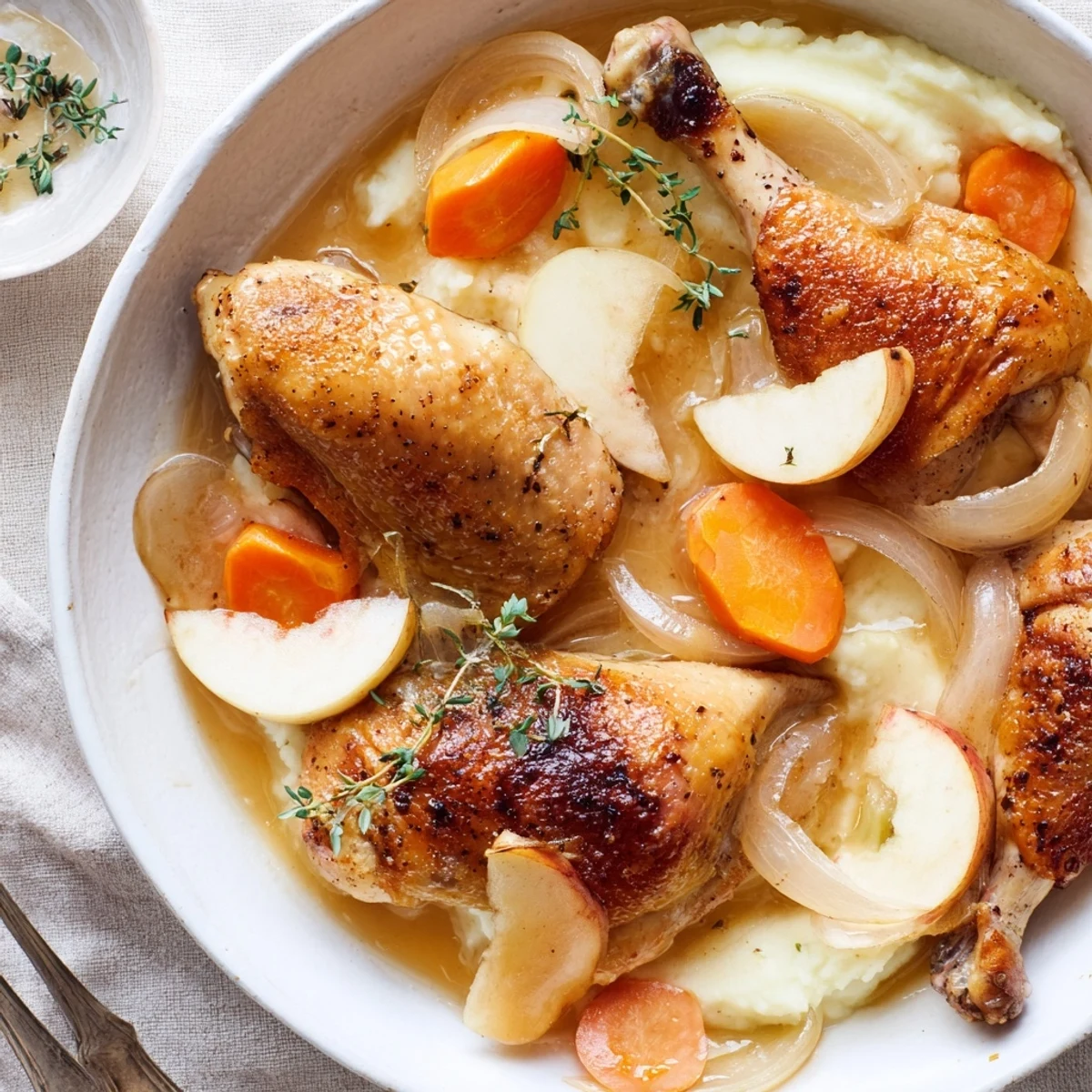
Save There&aposs something about the mingled scent of apples and thyme that signals comfort in any season. However you serve it, this casserole really is best enjoyed with messy plates and a little extra company around the table.
Questions & Answers
- → Can I use boneless chicken?
-
Yes—boneless cuts will cook faster. Reduce oven time and check internal temperature; remove when juices run clear and meat reaches 74°C (165°F).
- → Is Calvados necessary?
-
Calvados adds apple-brandy depth but is optional. Substitute extra cider or a splash of apple juice for a non-alcoholic alternative while keeping the apple character.
- → How do I prevent a thin sauce?
-
Brown the chicken well and use the flour added to the vegetables as a roux base. Finish with cream and reduce uncovered to concentrate and thicken the sauce; a brief simmer helps too.
- → Best apple type to use?
-
Tart, firm apples like Granny Smith hold their shape and balance the creaminess. Sweeter varieties will break down and lend a different, sweeter profile.
- → Can this be made gluten-free?
-
Yes—replace all-purpose flour with a 1:1 gluten-free flour blend or cornstarch slurry to thicken the sauce. Adjust thickening agent amounts to taste.
- → How to reheat leftovers?
-
Reheat gently on the stovetop over low heat, stirring to reincorporate sauce. Add a splash of stock or cream if the sauce has tightened too much.