
 Save
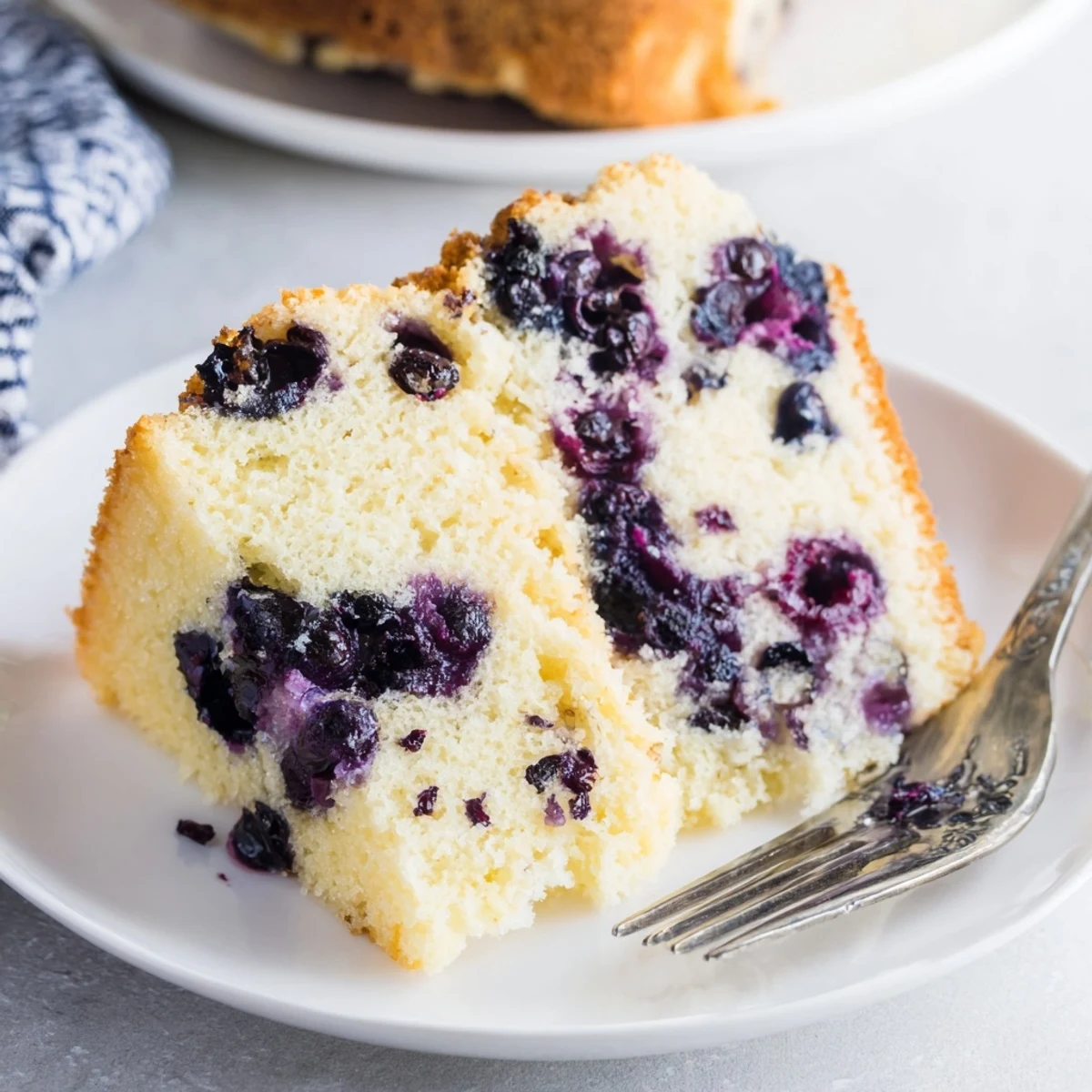
Save This airy chiffon cake combines fresh blueberries with bright lemon zest for a delightful summer dessert. The secret lies in properly whipped egg whites creating that signature fluffy texture, while dusting berries with flour prevents them from sinking during baking.
The ungreased pan technique allows the cake to climb the sides, resulting in perfect height and texture. After baking, inverting the pan prevents collapse while cooling. Serve plain or enhance with lemon glaze and whipped cream for extra indulgence.
The summer I discovered chiffon cake, my tiny apartment kitchen became a laboratory of patience and wonder. Something about whipping egg whites until they transformed into glossy peaks felt like pure kitchen magic. This blueberry version became my go to for bringing something ethereal to backyard barbecues and afternoon tea parties alike.
I brought this cake to a friends patio dinner last July, and her mother leaned over after the first bite and asked for the recipe before dessert was even over. The blueberries had settled into these beautiful purple pockets throughout the cake, and the way it caught the golden hour light made it look like something from a bakery window.
Ingredients
- Cake flour: The lower protein content keeps the crumb tender and delicate, exactly what a chiffon needs to feel weightless
- Granulated sugar: Splitting the sugar between the dry mix and the egg whites gives structure while maintaining sweetness
- Baking powder: This gentle lift works alongside the egg whites for that signature airy rise
- Salt: A small pinch balances the sweetness and lets the blueberry flavor shine through
- Egg yolks: The fat and richness create the batter base that will later be lightened by the whites
- Vegetable oil: Unlike butter, oil keeps the cake moist for days without weighing down the texture
- Cold water: The temperature helps keep the egg whites stable when you fold everything together
- Vanilla extract: Warm familiar sweetness that bridges the gap between citrus and berry
- Lemon zest: Those tiny flecks of oils perfume the whole cake with something bright and inviting
- Fresh blueberries: Tossing them in flour first keeps them from sinking to the bottom during baking
- Extra flour for berries: This coating trick is the secret to even distribution throughout every slice
- Cream of tartar: Stabilizes the egg whites so they hold their shape through folding and baking
Instructions
- Get your oven ready:
- Preheat to 325°F and grab your 10-inch chiffon pan without greasing it the batter needs to climb the walls to rise properly.
- Mix the dry base:
- Sift together the cake flour, one cup of sugar, baking powder, and salt into a large bowl to aerate everything.
- Make the wet mixture:
- Whisk the egg yolks, oil, water, vanilla, and lemon zest until smooth and pale yellow.
- Combine for the batter:
- Pour the wet ingredients into the dry ones and whisk just until combined, some small lumps are perfectly fine.
- Start the magic:
- In a completely clean bowl, beat egg whites and cream of tartar on medium speed until soft peaks begin to form.
- Add sweetness and structure:
- Gradually add the remaining quarter cup of sugar while beating, continuing until those peaks turn stiff and glossy.
- Gentle folding time:
- Fold the egg whites into the batter in three separate additions, using long strokes to keep as much air as possible.
- Prep the berries:
- Toss the blueberries with that teaspoon of flour until lightly coated, then fold them in as carefully as you can.
- Ready for the oven:
- Pour the batter into your ungreased pan, smooth the top, and bake for 45 to 50 minutes until a tester comes out clean.
- The upside down trick:
- Immediately invert the pan onto a bottle or funnel to cool for about an hour this prevents the cake from collapsing.
- Release and serve:
- Run a knife around the edges and center tube once cooled, then transfer to a plate and admire your work.
 Save
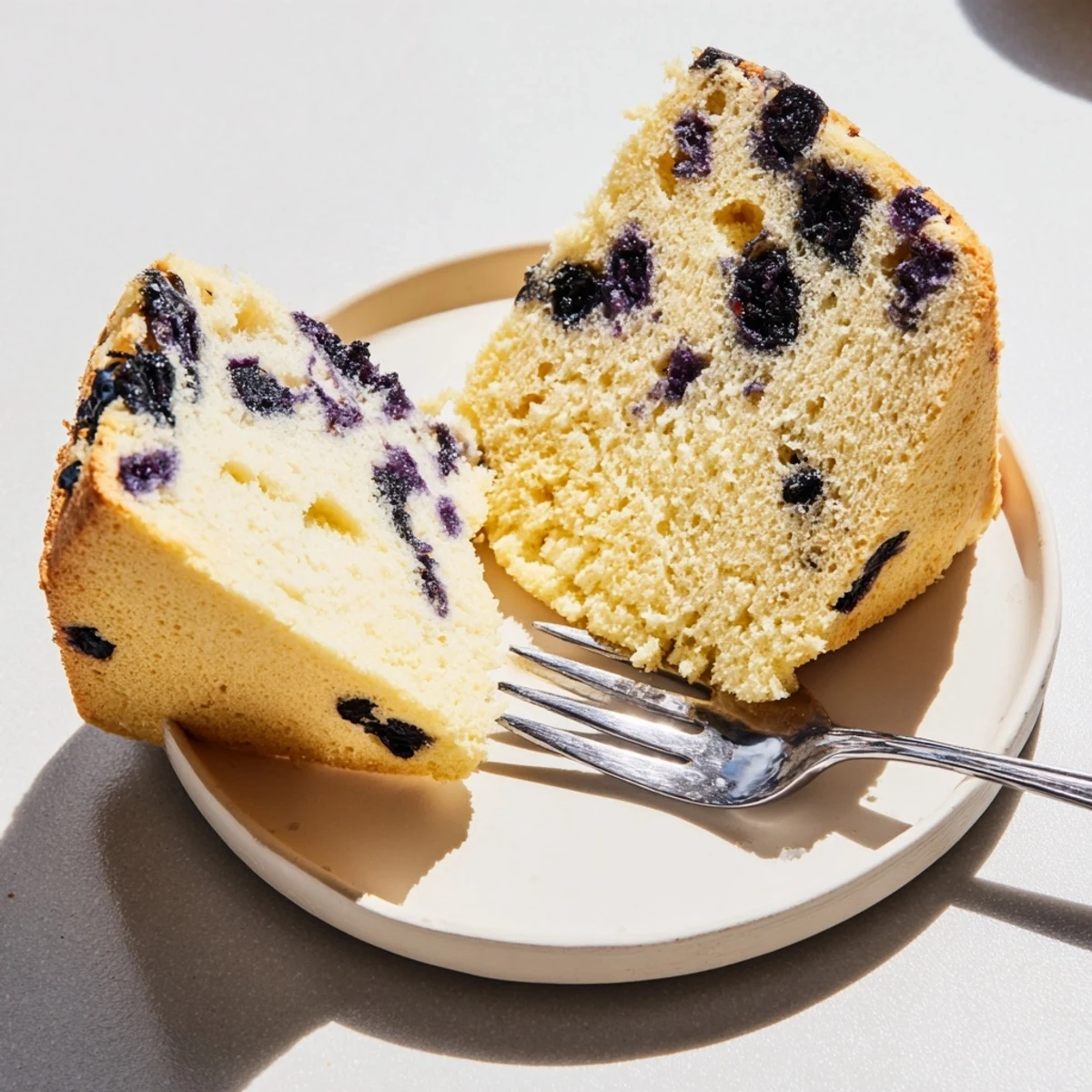
Save My niece asked if she could help make this for her mothers birthday, and watching her tiny hands fold the egg whites with such serious concentration reminded me why I fell in love with baking in the first place. The pride on her face when we inverted that pan and saw a perfectly tall golden cake was absolutely worth the flour dusted countertops.
Making It Ahead
This cake actually gets better after sitting overnight wrapped in plastic, as the flavors have time to meld together and the texture becomes even more tender. I often bake it the evening before a gathering and glaze it the next morning for the most stress free entertaining possible.
Serving Suggestions
A simple dusting of powdered sugar lets the blueberries shine, but a lemon cream cheese glaze takes this into birthday cake territory. I also love serving it with unsweetened whipped cream on the side so guests can add their own if they want.
Seasonal Swaps
When blueberries are out of season, frozen ones work beautifully without any thawing first. The cake also welcomes other berries like raspberries or blackberries, and in fall, diced apples with a bit of cinnamon make it feel completely different but equally wonderful.
- Let the cake cool completely before trying to remove it from the pan, patience here prevents broken edges
- Slice with a serrated knife using a gentle sawing motion to keep those fluffy layers intact
- Store any leftovers covered at room temperature for up to three days, though it rarely lasts that long
 Save
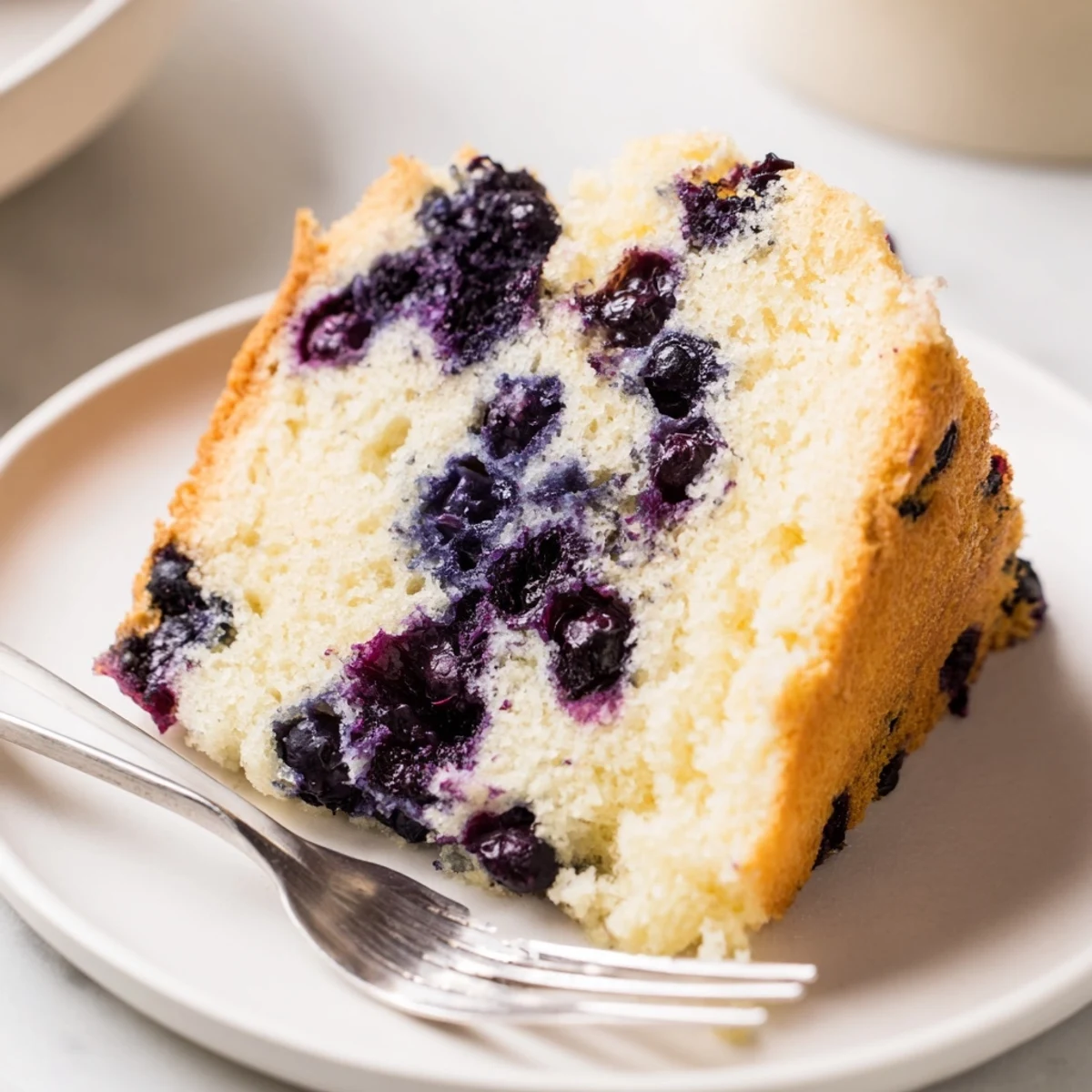
Save There is something deeply satisfying about slicing into a cake that feels impossibly light yet holds together beautifully, revealing those jewel toned blueberry pockets in every slice. This recipe has earned its permanent place in my summer baking rotation, and I hope it finds a home in yours too.
Questions & Answers
- → Why shouldn't I grease the chiffon pan?
-
The batter needs to cling to the ungreased pan sides to rise properly. Greasing prevents the cake from climbing upward during baking, resulting in a dense texture rather than the signature airy fluffiness.
- → Can I use frozen blueberries instead of fresh?
-
Yes, frozen blueberries work perfectly in this chiffon cake. Just remember not to thaw them before adding to the batter, and still toss them with flour to prevent sinking during baking.
- → Why must I invert the pan after baking?
-
Inverting the pan immediately after removing from the oven prevents the delicate structure from collapsing under its own weight while cooling. This crucial step maintains the airy texture and height of your finished cake.
- → How do I know when egg whites are beaten correctly?
-
Soft peaks should droop slightly when beaters are lifted, while stiff glossy peaks stand straight up without falling. The glossy appearance indicates proper protein development without over-beating.
- → What causes the cake to deflate during folding?
-
Over-mixing or vigorous folding knocks out the air bubbles incorporated into the egg whites. Use a gentle folding motion with your spatula, incorporating the whites in three additions to maintain maximum volume.