
 Save
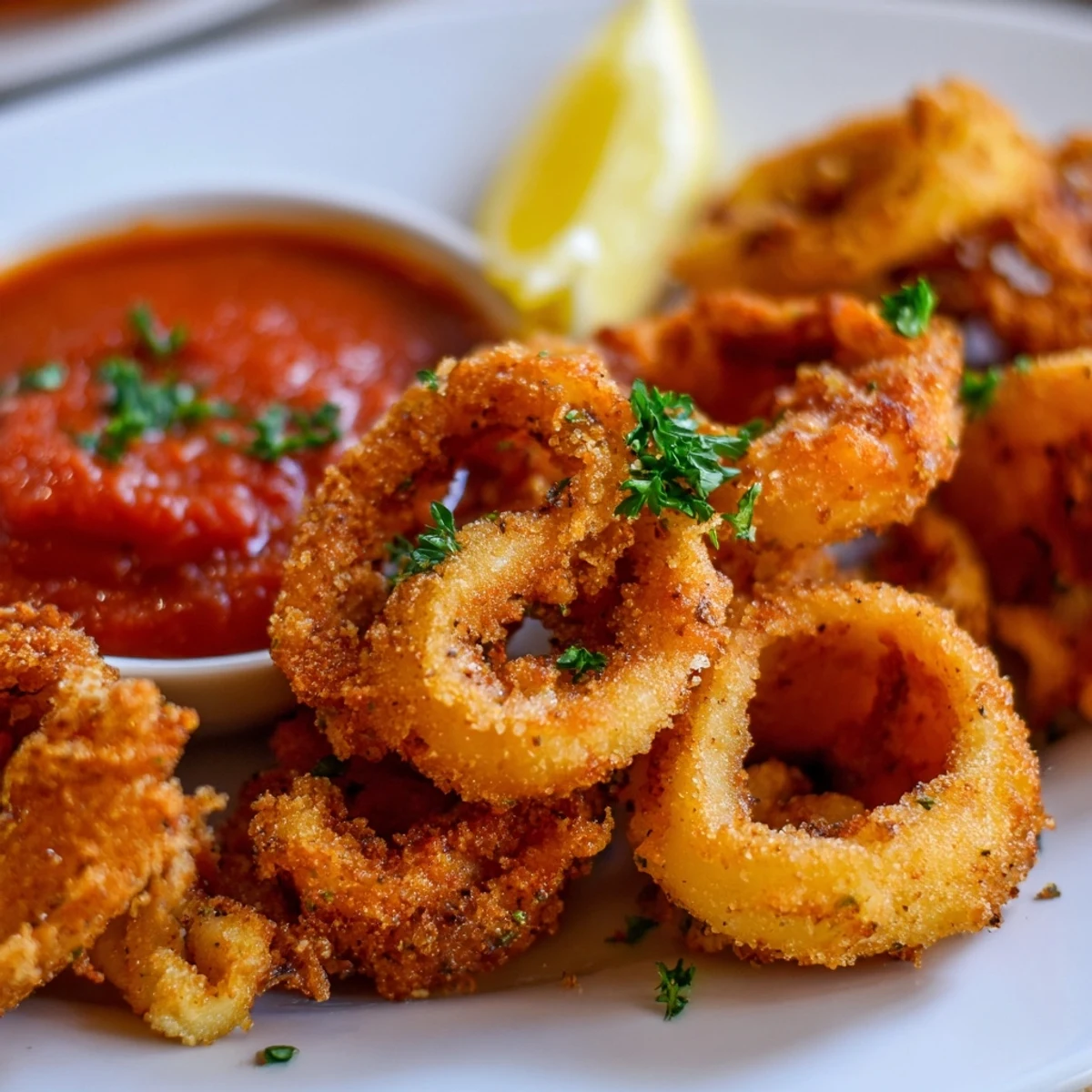
Save This dish features fresh calamari rings soaked in buttermilk then coated in a seasoned flour and cornmeal blend before frying until golden and crisp. Accompanied by a warm, zesty marinara sauce made with garlic, herbs, and tomatoes, it offers a perfect balance of tender seafood and vibrant flavors. Garnished with lemon wedges and fresh parsley, it’s an ideal choice for appetizers or party snacks, delivering delightful crunch and savory zest in every bite.
There's a particular moment I'll never forget—standing in a cramped Roman trattoria at dusk, watching the cook pull golden calamari rings from a hissing pot with absolute nonchalance, as if conjuring magic from hot oil. The first bite was a revelation: impossibly tender inside, shattering at the edges, with that whisper of garlic and cornmeal seasoning. I spent the next two weeks determined to recreate it, burning my first batch and settling my nerves with a glass of wine before trying again.
My sister called me panicked one evening, saying she'd promised calamari appetizers for a dinner party and had no idea where to start. I talked her through it over the phone, and twenty minutes later she texted a photo of golden rings glistening on paper towels, her confidence visibly restored. When she told me later that her guests asked for the recipe, we both laughed—sometimes the best meals come from happy accidents and a willingness to try.
Ingredients
- Fresh calamari, cleaned and sliced into rings (500 g): The real star here—look for bright white flesh and buy from a fishmonger if possible, they'll clean it for you and you'll avoid the rubbery sadness of frozen squid that's been sitting around.
- Buttermilk (120 ml): This isn't just for flavor; the acidity tenderizes the calamari and creates a slightly sticky surface that the breading clings to like it's meant to be there.
- All-purpose flour (100 g) and fine cornmeal (50 g): The cornmeal is the secret that nobody tells you about—it adds crunch and takes the coating from 'good' to 'why is this so crispy.'
- Paprika, garlic powder, and cayenne pepper: These aren't filler; they season the breading so thoroughly that you don't need to over-salt the final dish.
- Canned crushed tomatoes (400 g): San Marzano if you can find them, but honestly, a good quality crushed tomato is more important than the brand name.
- Olive oil, garlic, oregano, basil, and sugar: The foundation of marinara—the sugar rounds out acidity and a quiet voice in your head will whisper that you're doing it right.
- Vegetable oil for frying: Use something neutral and high-heat safe; avocado oil works beautifully if you want to feel fancy about it.
- Lemon wedges and fresh parsley: Not optional—they brighten everything and make the plate look like you care, which you do.
Instructions
- Pat and soak the calamari:
- Dry those rings like you mean it—moisture is the enemy of crispness. The buttermilk bath for ten minutes isn't just tradition; it relaxes the flesh and ensures tenderness from the inside out.
- Build your marinara foundation:
- Listen for that quick sizzle when garlic hits the oil, pull it off heat after thirty seconds so it doesn't brown and turn bitter. The next ten to fifteen minutes are meditative—stir occasionally, watch it transform from watery to silky, smell the herbs unfurl.
- Mix your breading station:
- Do this while the marinara simmers so everything comes together without panic. A shallow bowl works better than a plate; it lets you coat the rings without them tumbling everywhere.
- Bread the calamari with intention:
- Let excess buttermilk drip off for a second or two—too much and your breading becomes paste, too little and it won't stick. A gentle toss in the flour mixture, making sure every ring gets kissed with that golden coating.
- Heat oil to the precise moment:
- 180°C is non-negotiable; too cool and they're soggy, too hot and they're brown on the outside and chewy within. A small piece of bread should sizzle immediately when you drop it in—that's your signal.
- Fry with patience and batches:
- One minute to ninety seconds, no more—watch for the color shift from pale to golden, and don't crowd the pan or the temperature will plummet. Remove with a slotted spoon onto paper towels immediately; they'll keep crisping as they cool.
- Plate and serve with ceremony:
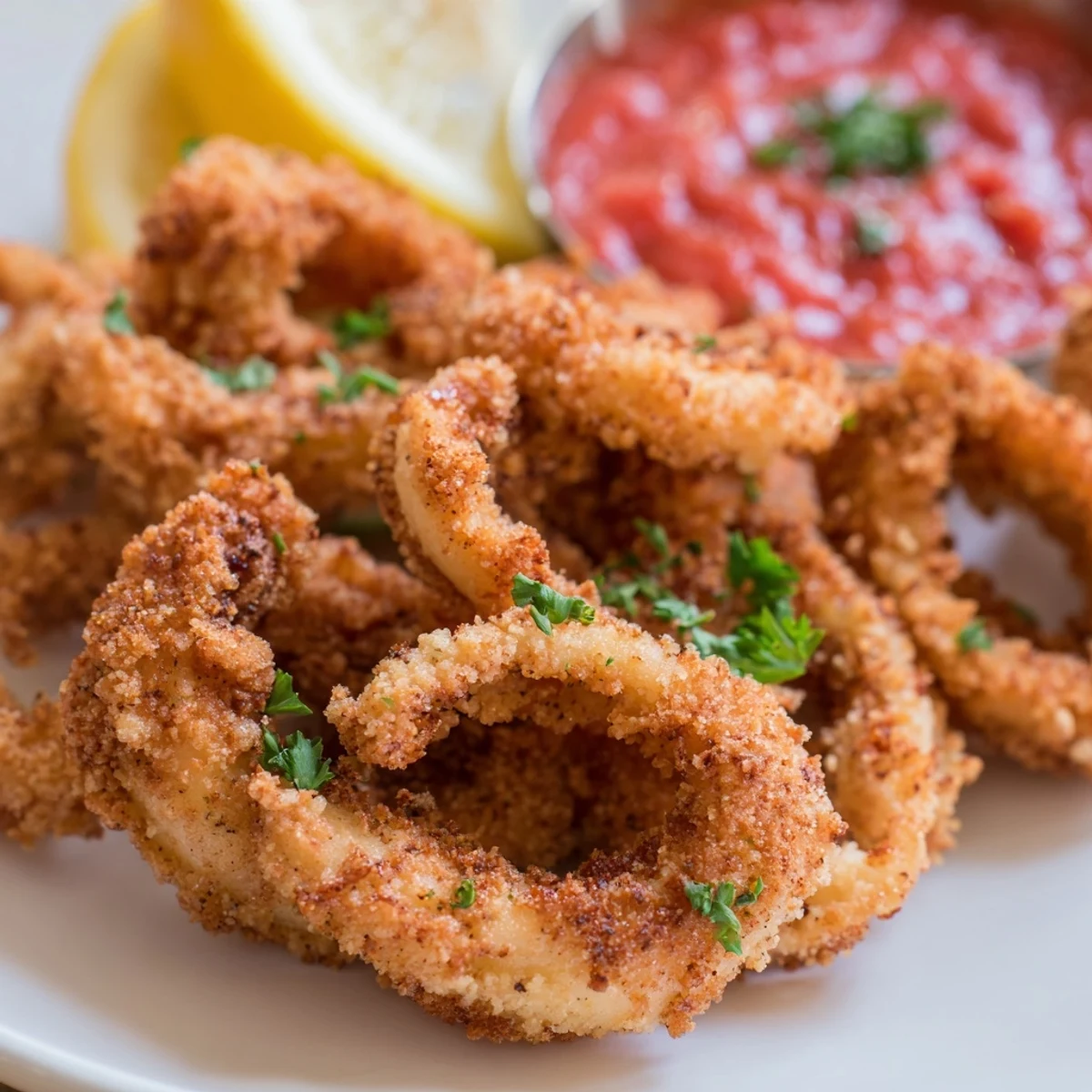
- Arrange while warm, scatter with parsley like confetti, squeeze lemon just before eating, and watch people's faces light up.
 Save
Save There was an evening when everything lined up—friends dropped by unexpectedly, I had calamari in the freezer, and thirty minutes later we were gathered around a platter, passing lemon wedges, dipping rings in warm sauce, and somehow that simple moment felt like the whole point of cooking. Food becomes memory when it's shared with people you actually want to be around.
The Oil Temperature Secret
I learned the hard way that a thermometer is worth its weight in gold here—guessing costs you either soggy appetizers or charcoal. If you don't have one, that bread-cube test is genuinely reliable, but even better is learning how the oil smells right before the calamari hits it. There's a faint shimmer and a barely-there haze, and that's when you know.
Why Homemade Marinara Matters
Store-bought sauce will work in a pinch, but once you taste the difference between that and something you simmered yourself for fifteen minutes, you won't go back. The tomatoes break down, the flavors meld, and there's no metallic aftertaste lurking underneath. It's not difficult—it's just time and attention, two things that transform ordinary into memorable.
Beyond the Plate
This dish sings with cold Pinot Grigio or a crisp Vermentino, something that cuts through richness without pretension. Serve it on a platter surrounded by lemon wedges and fresh herbs so people feel invited to help themselves, not like you're rationing. Small plates and good company will do the rest.
- If you're serving a crowd, fry the calamari in advance and reheat in a 200°C oven for two minutes to refresh the crispness.
- Make the marinara sauce earlier in the day and simply warm it through before serving.
- Double-dipped calamari stays crispy longer, a trick worth remembering for buffet-style gatherings.
 Save
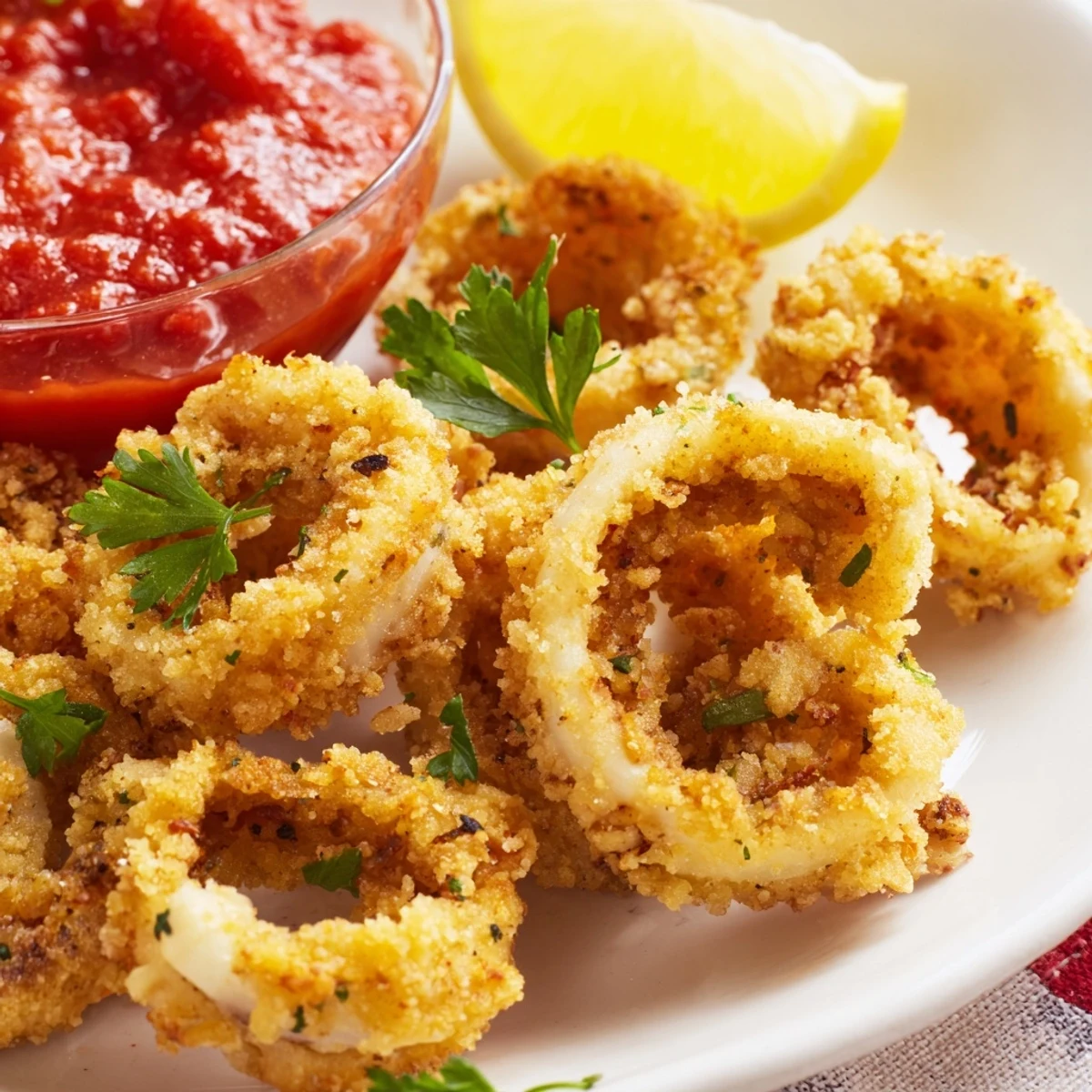
Save There's something deeply satisfying about golden calamari on a plate, the kind of dish that feels like you've mastered something Italian and warm-handed all at once. Make this, gather people around it, and let the food do the talking.
Questions & Answers
- → How do you achieve a crispy texture on calamari?
-
Patting the calamari dry and double-dipping it in buttermilk and the seasoned breading before frying helps create a light, crisp coating.
- → What makes the marinara sauce flavorful?
-
Sautéing garlic in olive oil and simmering it with crushed tomatoes, oregano, basil, and a pinch of sugar balances acidity and builds depth.
- → What is the best oil for frying calamari?
-
Vegetable oil with a high smoke point is ideal to achieve even, golden frying without burning the batter.
- → Can I prepare the calamari ahead of time?
-
Yes, you can marinate the calamari in buttermilk and seasonings up to 10 minutes before breading and frying for best results.
- → What garnishes complement this dish?
-
Fresh lemon wedges and chopped parsley add brightness and a fresh herbal note that complements the fried calamari and sauce.
- → Is it possible to adjust the heat level?
-
Adding or omitting cayenne pepper in the breading mixture can control the spice level based on preference.