
 Save
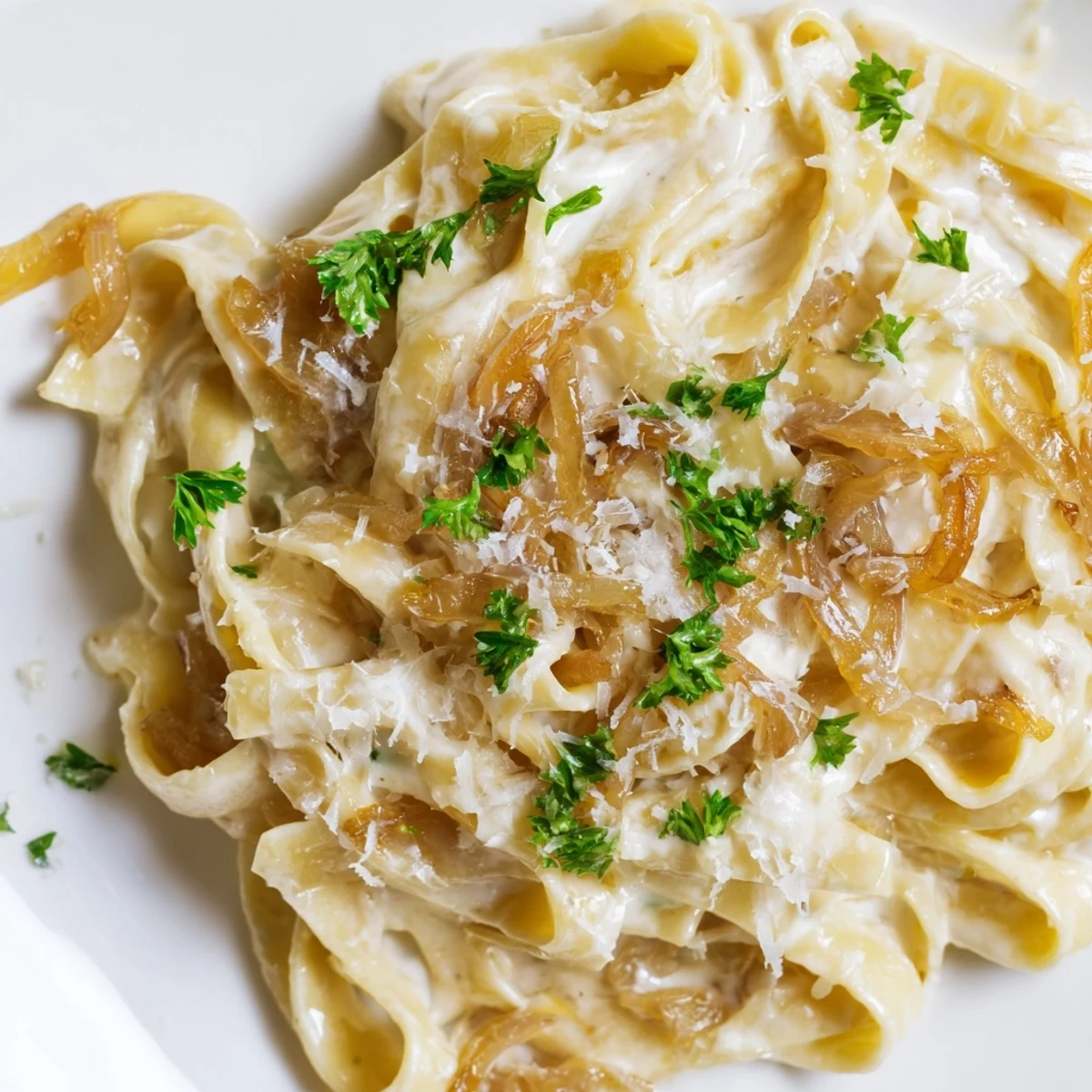
Save This indulgent pasta dish transforms humble onions into something extraordinary through slow caramelization. The onions cook down for nearly half an hour until they turn golden and deeply sweet, creating a flavor base that's both savory and luxurious. When combined with heavy cream, whole milk, and aged Parmesan, they form a silky sauce that perfectly coats each strand of fettuccine or spaghetti. The finished dish delivers restaurant-quality comfort with minimal effort, making it ideal for weeknight dinners or casual entertaining.
The smell of onions slowly surrendering to butter is my favorite kind of kitchen trickery, turning something so ordinary into something unrecognizably luxurious. I started making this pasta on rainy weeknights when cooking felt like therapy rather than chores. Something about standing over the skillet, watching the pale shards darken and shrink into golden jam, makes the whole house smell like a promise. This recipe is the result of many of those evenings, refined into something foolproof enough to share.
My partner walked into the kitchen once while I was making this and said it smelled like a trattoria in Rome, which was generous considering we were in a tiny apartment with fluorescent lighting and a window facing a parking lot.
Ingredients
- Pasta (400 g fettuccine or spaghetti): Use whatever long noodle you have, but fettuccine holds the cream sauce beautifully in its flat ribbons.
- Yellow onions (3 large, thinly sliced): Yellow onions have the right balance of sweetness and depth for caramelizing, so do not swap for red or white here.
- Unsalted butter (2 tbsp): Butter gives the onions a richness that oil alone cannot replicate, and unsalted lets you control the seasoning.
- Olive oil (1 tbsp): A small amount prevents the butter from burning during the long cook time.
- Sugar (1 tsp): This tiny boost helps the onions along without making the dish taste sweet.
- Salt (1/2 tsp for onions, plus more to taste): Salting the onions early draws out moisture and speeds up the browning process.
- Heavy cream (200 ml): The backbone of the sauce, giving it that velvety texture that coats every strand.
- Whole milk (60 ml): Lightens the cream slightly so the sauce does not feel too heavy on the palate.
- Parmesan cheese (50 g grated, plus extra for serving): Always grate it fresh, as the pre grated kind contains anti caking agents that make the sauce grainy.
- Garlic (1 clove, minced): Just one clove is enough to add warmth without competing with the onions.
- Black pepper (1/4 tsp): Freshly cracked makes a real difference here.
- Ground nutmeg (1/4 tsp, optional): A tiny pinch adds a subtle warmth that makes people ask what your secret is.
- Fresh parsley (2 tbsp chopped): More than garnish, it cuts through the richness with a fresh bite.
Instructions
- Boil and prep the pasta:
- Bring a large pot of generously salted water to a rolling boil and cook the pasta until just al dente, then reserve half a cup of that starchy water before draining. That cloudy liquid is liquid gold for loosening the sauce later.
- Start the onions:
- In a large skillet, melt the butter with the olive oil over medium heat, then add all the sliced onions at once along with the sugar and salt. They will look like an impossibly tall pile at first, but they will cook down dramatically.
- Caramelize with patience:
- Stir every few minutes for 25 to 30 minutes, letting the onions transform from pale to deep golden brown, and if they start sticking to the pan, splash in a little water and scrape up those browned bits. Those stuck pieces are where all the flavor lives.
- Wake up the garlic:
- Stir in the minced garlic and cook for just one minute until your kitchen smells impossibly good, being careful not to let it brown.
- Build the cream sauce:
- Lower the heat and pour in the cream and milk together, stirring gently, then add the Parmesan, pepper, and nutmeg if you are using it. Let it simmer for two to three minutes until it thickens just enough to coat the back of a spoon.
- Marry pasta and sauce:
- Toss the drained pasta directly into the skillet and fold everything together, splashing in reserved pasta water a little at a time until the sauce clings to every noodle like a silk curtain.
- Serve immediately:
- Divide among warm bowls and finish with chopped parsley and an extra shower of Parmesan because this is not the time for restraint.
 Save
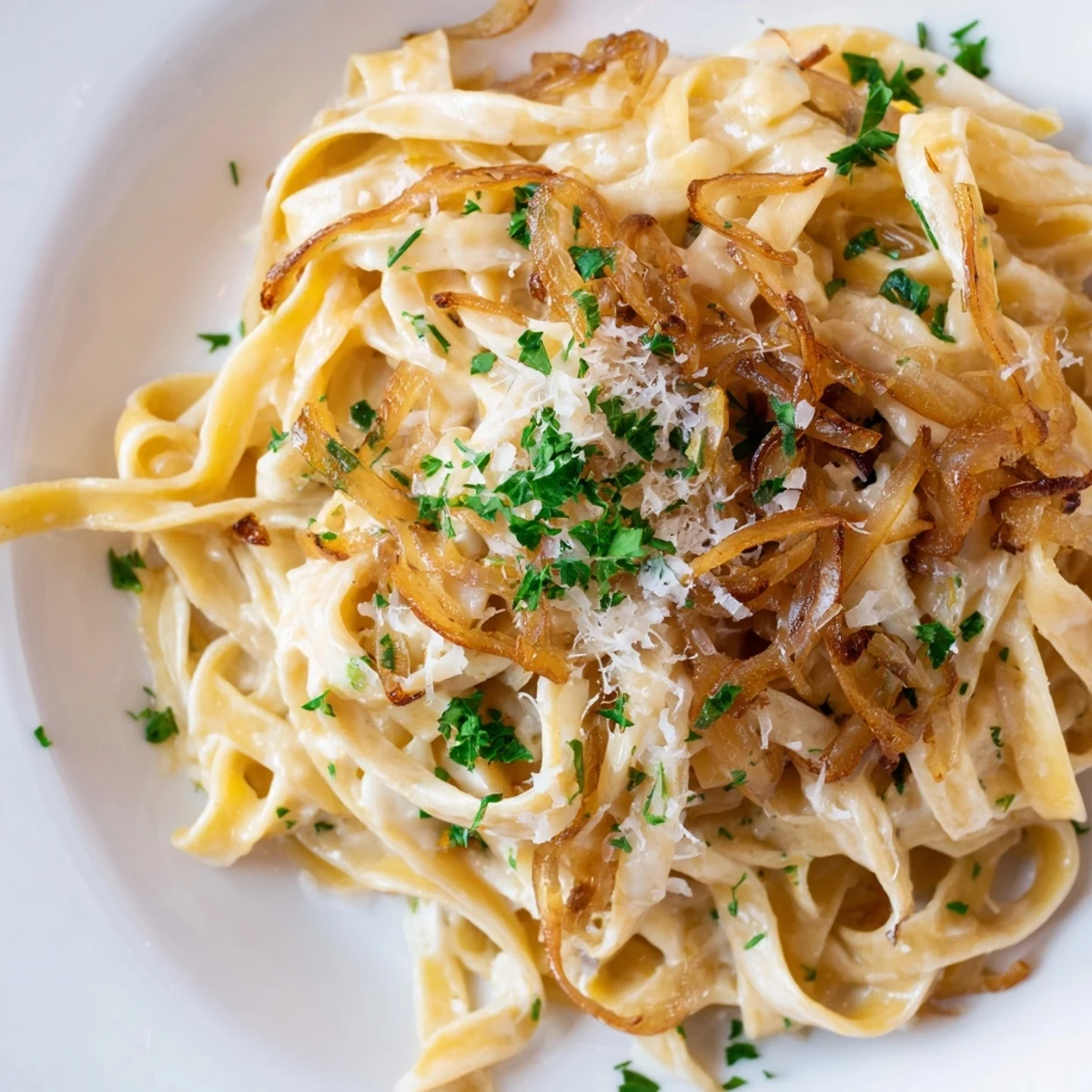
Save I once made this for a friend who had been having a terrible week, and she sat quietly eating it at my kitchen counter without saying a word for ten minutes, which I took as the highest compliment.
What to Serve Alongside
A crisp green salad with a sharp vinaigrette cuts through the richness of this dish perfectly, and some crusty bread on the side is nonnegotiable for sauce duty.
Making It Your Own
Try stirring in a handful of sauteed mushrooms or a big tumble of wilted spinach at the end for extra substance, and a splash of white wine after the onions caramelize adds a wonderful layer of acidity.
Leftovers and Storage
This pasta is best eaten the moment it is made, but leftovers will keep in the fridge for up to two days and reheat gently with a splash of milk or cream in a pan over low heat.
- Store the sauce and pasta together in an airtight container for easiest reheating.
- Do not microwave on high, as the cream sauce will break and become oily.
- Add a fresh sprinkle of Parmesan after reheating to revive the flavor.
 Save
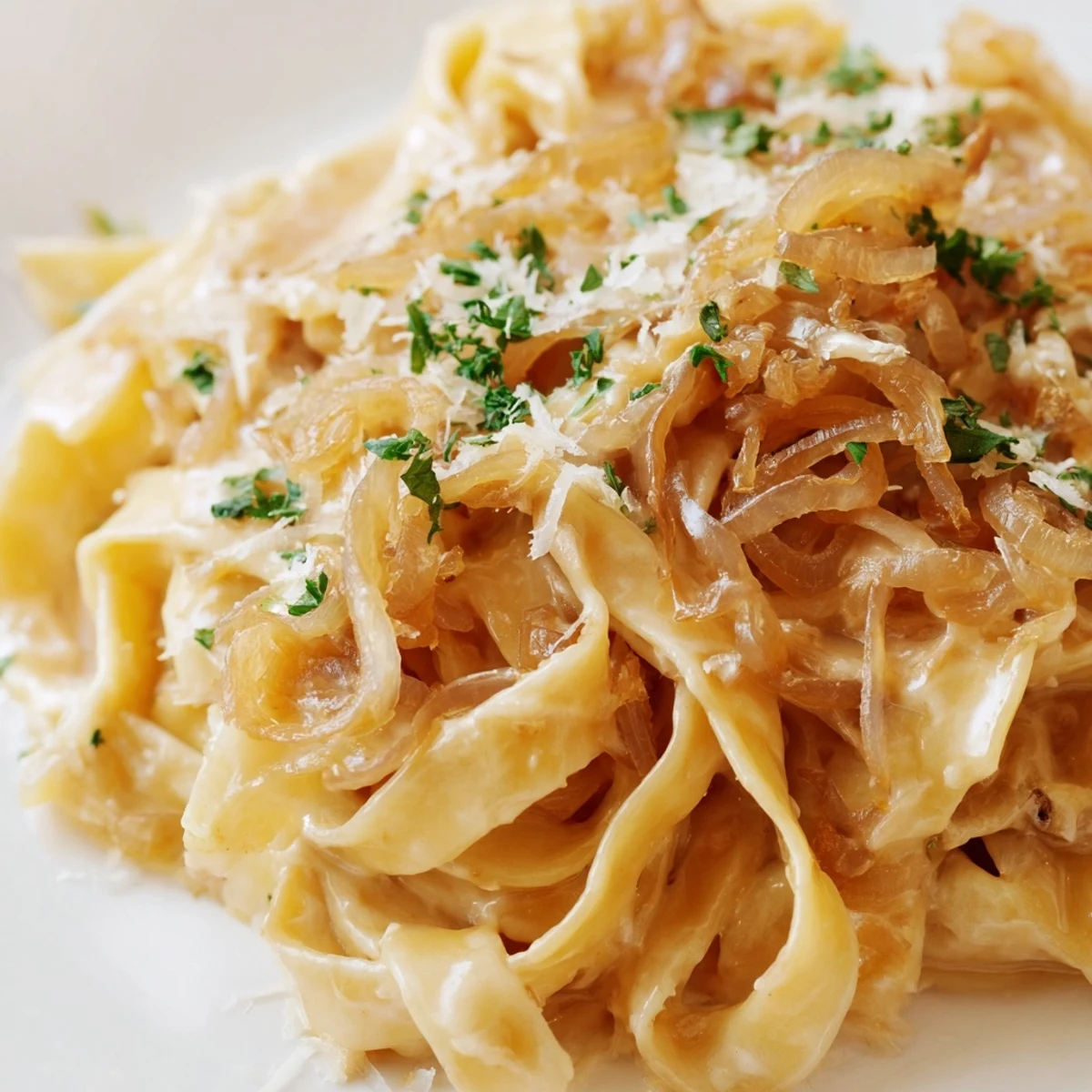
Save Some dishes feed you twice, once while you cook them and once when you eat them, and this is absolutely one of those recipes.
Questions & Answers
- → How do I know when onions are properly caramelized?
-
Onions are fully caramelized when they've turned a deep golden-brown color and developed a sweet, jam-like consistency. This process takes 25-30 minutes over medium heat. Don't rush it—this slow transformation is where all the depth of flavor comes from.
- → Can I make this dish ahead of time?
-
The caramelized onions can be prepared up to 2 days in advance and stored in the refrigerator. When ready to serve, gently reheat them with the cream sauce before tossing with freshly cooked pasta for the best texture and flavor.
- → What pasta shapes work best?
-
Fettuccine and spaghetti are ideal because their long strands capture the creamy sauce beautifully. However, penne, rigatoni, or fusilli would also work well if you prefer shapes that hold sauce in their ridges and tubes.
- → Is there a lighter version?
-
You can substitute half-and-half for the heavy cream, though the sauce won't be quite as rich. Increasing the Parmesan helps maintain flavor, and adding an extra splash of pasta water creates silkiness without additional fat.
- → Why add pasta water to the sauce?
-
The starchy pasta water emulsifies with the cream and Parmesan, creating a glossy, silky texture that clings to the noodles. It also helps thin the sauce to the perfect consistency without diluting the flavor.
- → What wine pairs well?
-
A crisp Pinot Grigio or Sauvignon Blanc cuts through the richness beautifully. If you prefer red, a light Pinot Noir or Chianti complements the sweet onions without overwhelming the delicate cream sauce.