
 Save
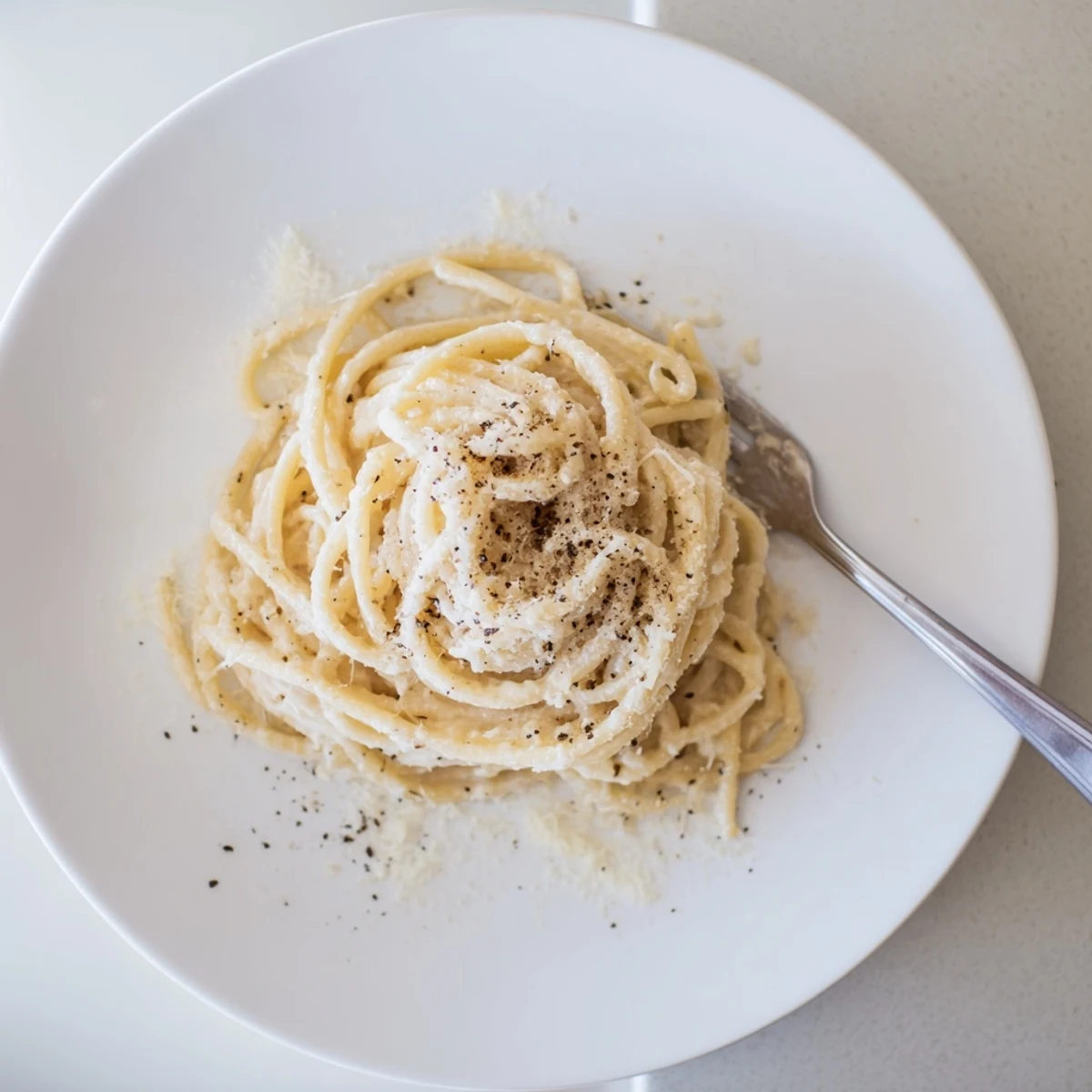
Save This iconic Roman dish transforms three humble ingredients—spaghetti, Pecorino Romano, and black pepper—into a velvety, restaurant-quality pasta. The secret lies in creating an emulsion with starchy pasta water and finely grated cheese, resulting in a silky sauce that clings beautifully to each strand. Toasting the pepper first releases its aromatic oils, while the precise technique of combining cheese with hot water prevents clumping. Ready in under 30 minutes, this elegant main dish delivers restaurant-quality results at home.
The steam from my tiny Rome apartment kitchen fogged up the windows as my Italian landlord showed me how to make this dish. She had the kind of calm confidence that comes from making something hundreds of times, and she insisted that Cacio e Pepe wasn't just pasta—it was a lesson in patience and timing. That evening changed how I understood simplicity in cooking.
Last winter my sister called at midnight, stressed and hungry, so I talked her through this recipe over the phone. She was skeptical about the lack of actual sauce ingredients, but when she took that first bite and went completely silent, I knew she'd found her new comfort food. Now she makes it for her roommates whenever they've had a long day.
Ingredients
- 200 g spaghetti or tonnarelli: Long thin pasta gives the sauce more surface area to cling to, and tonnarelli feels more authentic if you can find it
- 80 g Pecorino Romano cheese, finely grated: This salty sheep cheese provides the backbone of flavor and must be freshly grated to melt properly into the sauce
- 2 tsp freshly ground black pepper: The pepper should be freshly ground and toasted briefly to release its aromatic oils
- 1/2 tsp salt: For the pasta water, though the cheese provides most of the seasoning
- 1 liter water: Using less water than usual creates a starchier cooking liquid that helps form the creamy sauce
Instructions
- Prepare the pasta water:
- Bring 1 liter of water to a boil in a large pot, then add the salt and stir to dissolve
- Cook the pasta:
- Add spaghetti and cook until al dente, stirring occasionally, then reserve about 1 cup of the starchy pasta water before draining
- Toast the pepper:
- In a large skillet over medium heat, toast the black pepper for 1 minute until fragrant, watching carefully so it doesn't burn
- Create the pepper base:
- Add 1/2 cup of the reserved hot pasta water to the skillet with the pepper and let it simmer gently
- Make the cheese paste:
- In a large mixing bowl, combine grated Pecorino Romano with a few tablespoons of hot pasta water to form a thick paste, mashing with a fork
- Combine pasta and pepper:
- Add the cooked spaghetti to the skillet with pepper and toss well, then remove from heat completely
- Form the sauce:
- Gradually add the cheese paste to the pasta, tossing quickly and adding more reserved pasta water as needed to form a creamy, silky sauce that coats the noodles evenly
- Serve immediately:
- Plate the pasta while it's hot and creamy, topped with extra Pecorino Romano and a sprinkle of black pepper
 Save
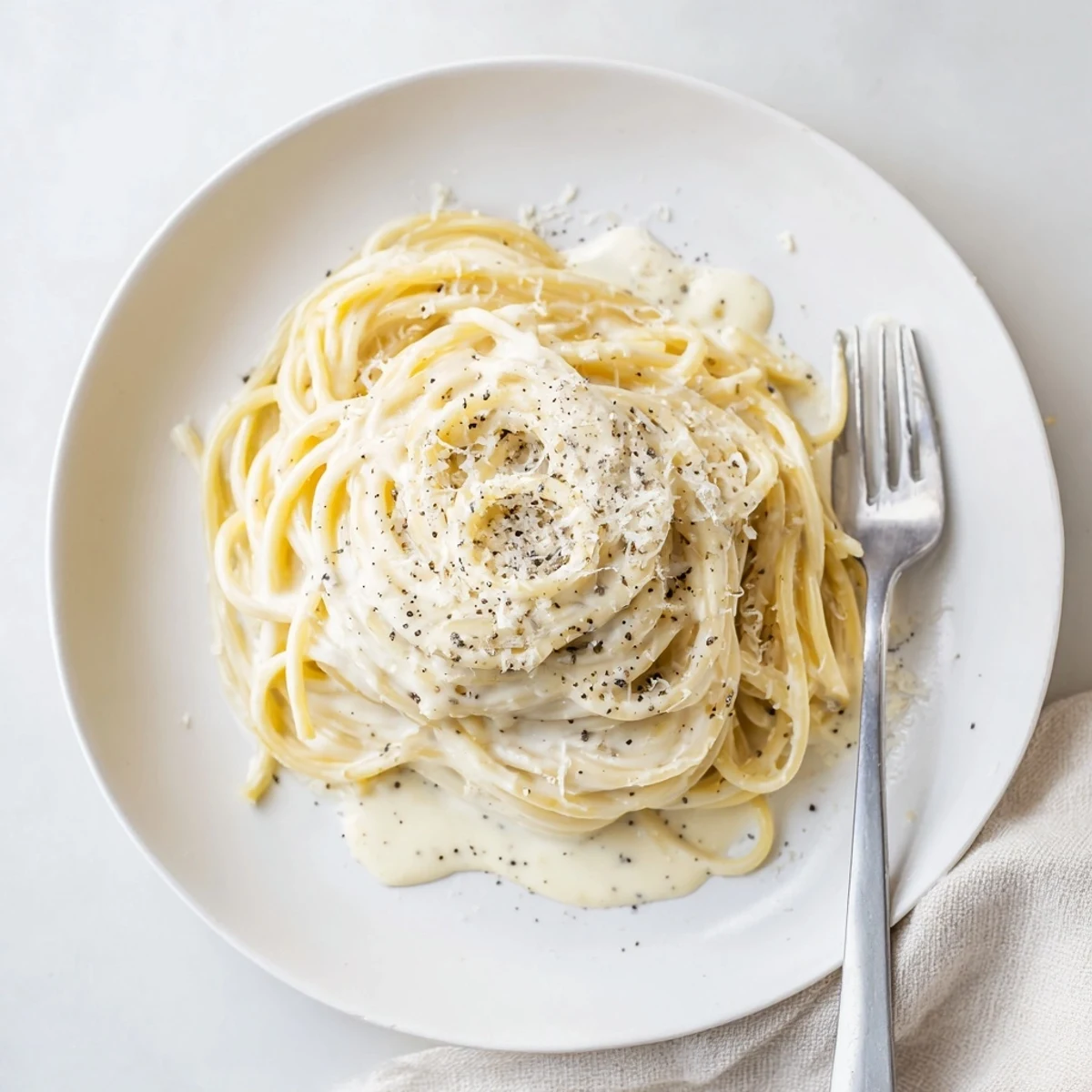
Save My friend Marco from Rome told me that true Cacio e Pepe should make you want to eat it standing up, leaning over the stove. There's something incredibly satisfying about how just cheese, pepper, and pasta water transform into something so luxurious. It's the dish I make when I need to remind myself that simple ingredients treated with respect can create magic.
Getting the Sauce Right
The biggest challenge is achieving that creamy consistency without any cream. The key is removing the pan from heat before adding the cheese paste and tossing vigorously to encourage emulsification. If the sauce looks too thick, add pasta water one tablespoon at a time until it reaches the right consistency.
Pasta Water Matters
Using less water than usual means the pasta releases more starch into the cooking liquid, which is essential for binding the cheese. Don't skip the step of reserving a cup of this golden liquid before draining—this starchy water is what transforms grated cheese into a smooth sauce.
Choosing Your Cheese
Pecorino Romano provides a sharp, salty bite that pairs perfectly with the heat of black pepper. If you can only find Parmigiano Reggiano, the dish will still work but will have a milder flavor profile. Either way, buy a wedge and grate it yourself.
- A microplane creates the finest texture for the cheese paste
- Toast extra pepper as a garnish for an aromatic finish
- Work quickly once the pasta is drained for the best results
 Save
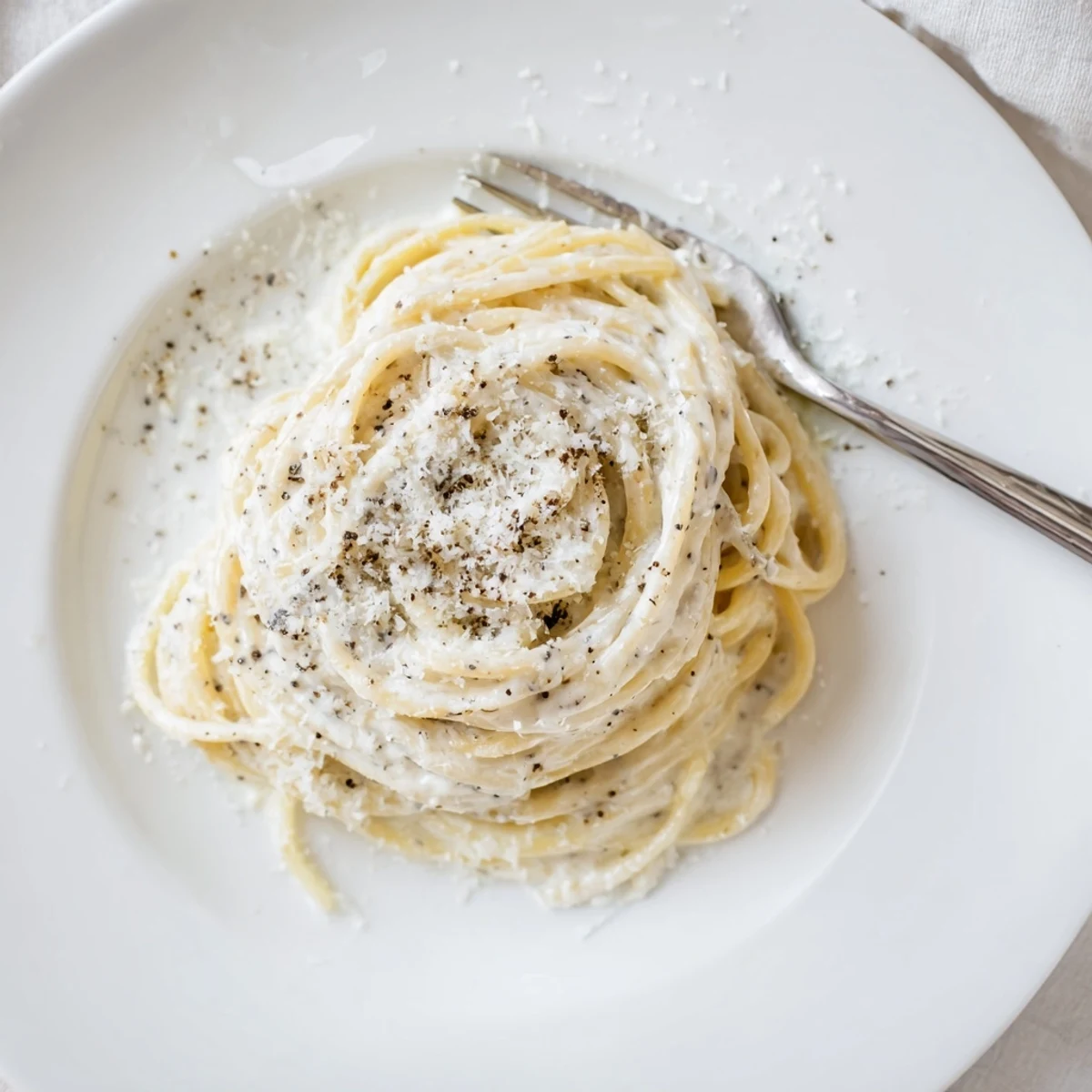
Save This is the kind of recipe that teaches you something new every time you make it. Enjoy the process and your perfectly creamy, peppery pasta.
Questions & Answers
- → What makes authentic cacio e pepe creamy?
-
The creamy texture comes from emulsifying grated Pecorino Romano with starchy pasta water. The cheese melts into the hot liquid, creating a silky sauce that coats the noodles without adding any cream or butter.
- → Why does my cheese clump when making cacio e pepe?
-
Cheese clumps when added directly to hot pasta. Always create a paste first by combining grated cheese with a few tablespoons of hot pasta water, then gradually incorporate this mixture into the pasta off the heat.
- → Can I use Parmesan instead of Pecorino Romano?
-
While possible, Pecorino Romano provides the authentic sharp, salty flavor profile traditional to Roman cuisine. Parmesan yields a milder taste and slightly different texture.
- → What pasta shape works best for cacio e pepe?
-
Long, thin strands like spaghetti, tonnarelli, or bucatini are traditional choices. Their surface area allows the cheesy sauce to coat evenly while capturing plenty of the peppery flavor.
- → How much pepper should I use in cacio e pepe?
-
Two teaspoons of freshly ground black pepper provides the classic kick. Toasting the pepper in the pan first intensifies its aroma and mellows the heat slightly.
- → Why use less water for boiling pasta?
-
Using less water creates a starchier cooking liquid, which is essential for forming the creamy emulsion that defines authentic cacio e pepe.