 Save
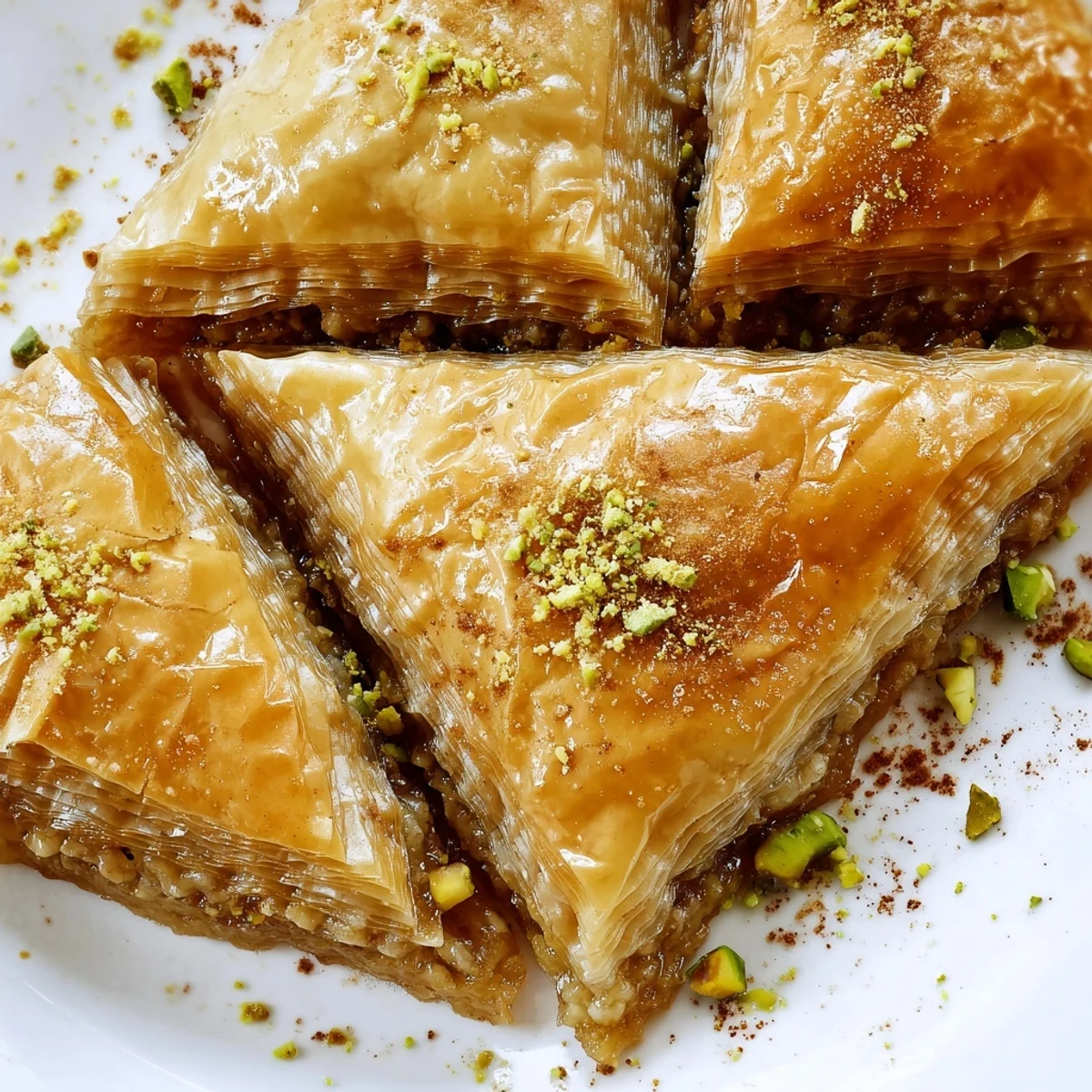
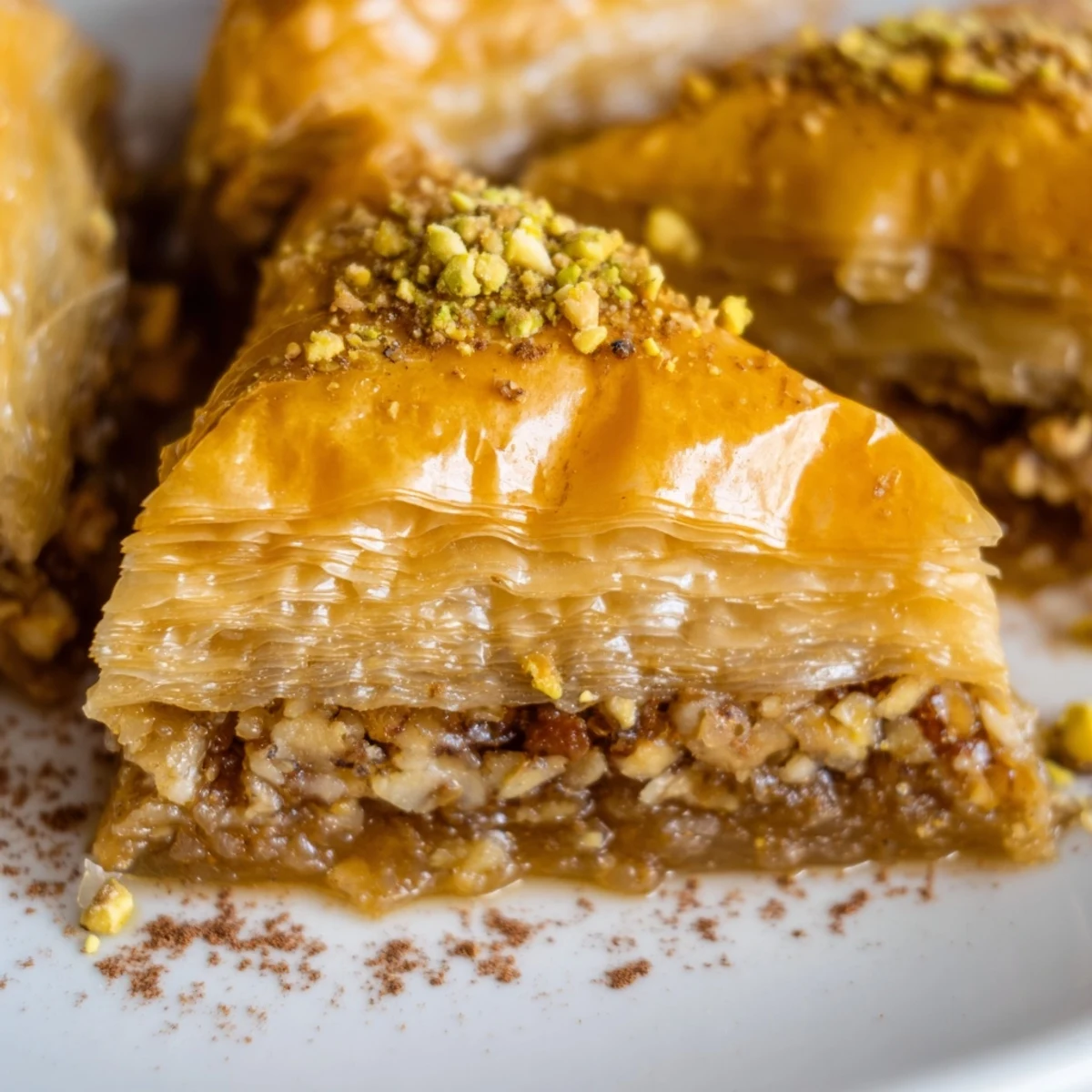
Save This traditional Bosnian dessert features delicate layers of crisp phyllo dough brushed with butter and filled with a aromatic mixture of finely chopped walnuts, almonds, and pistachios. The nut filling is enhanced with warm cinnamon and cloves, while the pastry bakes until golden brown. Once out of the oven, hot baklava is drenched in a fragrant syrup made from sugar, honey, lemon juice, and optional rose water for floral notes. The result is a rich, sweet treat with perfect crunch and syrupy sweetness. Best made ahead to allow flavors to meld and syrup to fully absorb throughout every layer.
The smell of butter melting into phyllo still transports me back to my grandmothers kitchen in Sarajevo, where her hands moved with practiced grace through the delicate sheets. I watched, mesmerized, as she built layer upon layer of nuts and pastry, transforming simple ingredients into something extraordinary. That first bite of warm baklava, dripping with honey syrup, changed everything I thought about dessert. Now whenever I make this recipe, I can hear her voice reminding me to work quickly and keep the phyllo covered.
Last Eid, I attempted to recreate her recipe for my extended family, nervous that my technique would not measure up. My hands shook slightly as I buttered each translucent sheet, afraid it would tear or dry out. But when my uncle took his first bite and closed his eyes, savoring the familiar blend of cinnamon and cloves, I knew I had done more than follow a recipe. I had carried forward something sacred.
Ingredients
- 500 g phyllo dough: Thaw completely in the refrigerator overnight, then keep covered with a damp cloth while working to prevent drying and cracking
- 250 g walnuts, 100 g almonds, 100 g pistachios: Finely chop by hand for varied texture rather than using a food processor, which can turn nuts into paste
- 100 g sugar with 1 tsp cinnamon and 1/4 tsp cloves: This spice ratio comes from generations of tinkering, adding warmth without overwhelming the natural nut flavor
- 250 g unsalted butter, melted: Use clarified butter if you want an even crispier result, though regular melted butter works beautifully
- 400 g sugar, 250 ml water, 100 ml honey, 1/2 lemon juice, 1 tbsp rose water: The lemon cuts through the sweetness while rose water adds that distinctive Balkan floral finish
Instructions
- Preheat and prepare your baking space:
- Set your oven to 180°C (350°F) and generously butter a 23x33 cm pan, paying special attention to the corners where phyllo tends to stick
- Mix your aromatic nut filling:
- Combine the chopped nuts with sugar and spices in a large bowl, using your hands to distribute the seasoning evenly throughout
- Build the first foundation layer:
- Lay down 6 to 8 sheets of phyllo, brushing each one lightly with melted butter, taking care not to saturate the delicate dough
- Start the nut layering process:
- Sprinkle one third of your spiced nut mixture evenly across the buttered phyllo, reaching into the corners for consistent distribution
- Continue alternating layers:
- Add 4 to 5 more buttered sheets, then another third of nuts, repeating until all the filling is used between the pastry layers
- Complete with a top pastry layer:
- Finish with remaining phyllo sheets, buttering each thoroughly including the very top sheet which will become golden and crisp
- Score before baking:
- Use your sharpest knife to cut diamonds or squares all the way through, cutting carefully to avoid shifting the delicate layers
- Bake until deeply golden:
- Cook for 35 to 40 minutes until the top turns amber brown and the edges pull slightly away from the pan sides
- Prepare the fragrant syrup:
- While baklava bakes, combine sugar, water, and lemon juice in a saucepan, boiling for 8 to 10 minutes until slightly thickened
- Finish the syrup with honey and floral notes:
- Remove from heat and stir in honey plus rose water or orange blossom water, letting the syrup cool slightly while the baklava finishes baking
- Combine hot pastry with hot syrup:
- Pour the warm syrup evenly over the freshly baked baklava immediately, listening for the satisfying sizzle as absorption begins
- Exercise patience for perfect results:
- Let the baklava cool completely in the pan, giving it at least 4 hours or overnight for full syrup absorption and easiest cutting
 Save
Save What surprised me most about mastering baklava was how meditative the process becomes once you find your rhythm. There is something profoundly satisfying about transforming a stack of fragile sheets into a dessert that has graced tables for centuries. This is not just a recipe but a connection to generations of home cooks who understood that some dishes are worth the patience they require.
Working With Phyllo Like A Pro
The biggest mistake beginners make is treating phyllo too delicately or too roughly. The sweet spot is confident handling, moving quickly but not rushing. Keep your workspace clear and your brush ready before you even open the package.
Serving Suggestions And Pairings
Baklava demands to be served with something bitter to balance its intense sweetness. A strong Bosnian coffee or Turkish coffee is traditional, but a brisk black tea works beautifully as well. Small pieces are perfect because a little goes such a long way.
Storage And Make Ahead Wisdom
This is one of those rare desserts that genuinely improves with age, developing deeper flavor and more uniform texture as the syrup distributes throughout. Store in an airtight container at room temperature and you will be rewarded with even better baklava the next day.
- Place a piece of parchment paper between layers if stacking pieces to prevent sticking
- Never refrigerate baklava as it causes the phyllo to lose its signature crispness
- Baklava keeps beautifully for up to a week when properly sealed
 Save
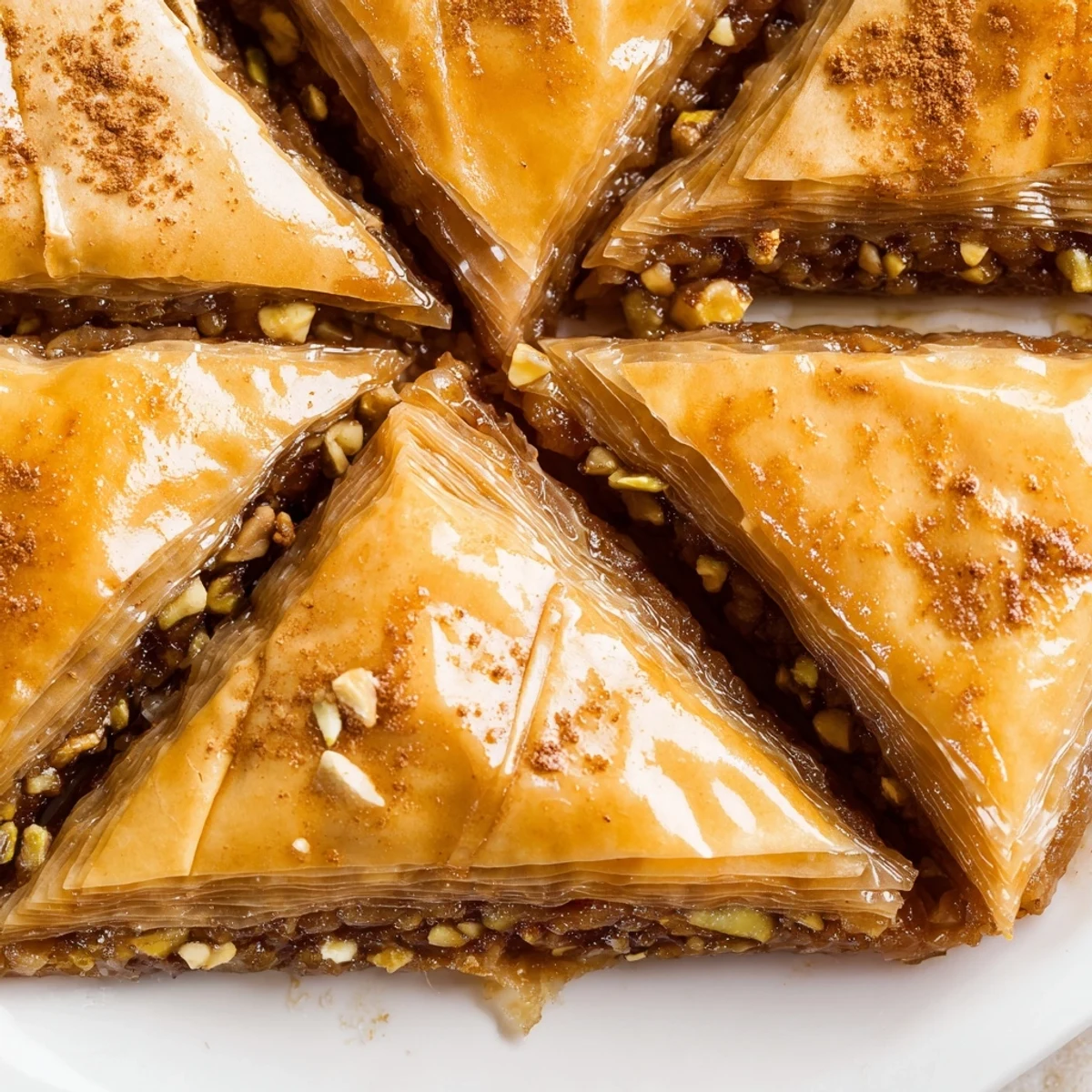
Save Every time I serve this baklava, I am reminded that the best recipes are the ones we share across tables and generations. May your kitchen fill with the scent of butter and honey, and may your guests leave with sticky fingers and full hearts.
Questions & Answers
- → What makes Bosnian baklava different from other versions?
-
Bosnian baklava typically features a higher ratio of nuts to pastry layers compared to Greek or Turkish versions. The nut mixture often combines walnuts, almonds, and sometimes pistachios, while the syrup includes honey for extra depth. The pastry is cut before baking, which helps the syrup penetrate evenly.
- → Can I make baklava ahead of time?
-
Yes, baklava actually improves when made a day ahead. The syrup needs time to fully soak into all the layers, softening the phyllo slightly and creating that signature moist texture. Store in an airtight container at room temperature for up to a week.
- → Why is the syrup poured over hot baklava?
-
Pouring hot syrup over hot pastry ensures maximum absorption. The heat helps the syrup penetrate all the layers rather than just sitting on top. This technique creates evenly sweet, moist baklava throughout rather than soggy bottoms and dry tops.
- → What can I substitute for rose water?
-
Orange blossom water makes an excellent alternative with similar floral notes. If you prefer to avoid floral flavors entirely, simply omit this ingredient. The syrup will still be delicious with just honey and lemon juice providing depth and brightness.
- → How do I prevent phyllo from drying out?
-
Keep unused phyllo sheets covered with a slightly damp towel while working. Work quickly but gently when layering, and brush each sheet with melted butter immediately after placing it in the pan. The butter helps seal moisture in and creates crisp, golden layers.
- → Can I freeze baklava?
-
Freeze unbaked baklava before adding syrup. Wrap tightly and freeze for up to 3 months. When ready to serve, thaw completely, then bake as directed and add fresh syrup. Already soaked baklava doesn't freeze well as the syrup texture changes upon thawing.